
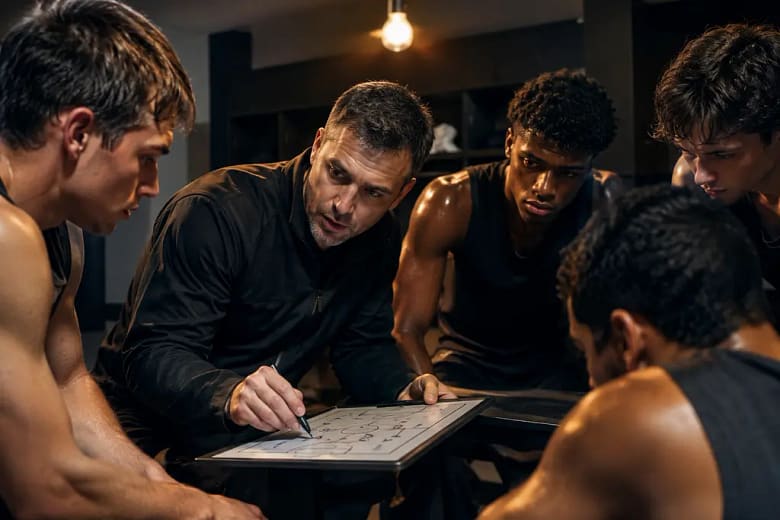
NCAA Staff Changes have become one of the clearest pressure points in college sports, not only because head coaches move, but because assistants, athletic trainers, strength staffs, and administrators shape the daily conditions where athletes learn. Over the 12 months through November 7, 2026, there were 6,014 athletics staff changes at 551 NCAA schools, including 2,865 new hires, 1,762 departures, and 1,387 title changes, according to Whistle data.
That scale matters for education as much as competition. A new head coach can reset standards, but an assistant coach may be the person correcting a guard’s footwork, teaching a defensive end’s hand placement, or helping a freshman adjust to the speed of college training. A staffing gap in athletic training or strength and conditioning can also change how safely athletes prepare, recover, and build capacity. From an athlete-rights perspective, the question is not whether schools are allowed to change staffs. They are. The sharper question is whether schools manage those changes in ways that protect learning, health, and fair opportunity.
What NCAA Staff Changes Mean For Daily Coaching
The public often sees staff movement through a narrow lens: a head coach hired, a coordinator replaced, or a prominent program changing direction. The data points to a wider issue. Football had the most movement over the prior 180 days, with 411 changes, and October 2026 was listed as a particularly active month, with 2,294 new hires and 1,420 departures across divisions. Those numbers suggest that staff change was not limited to a few headline programs.
NCAA Staff Changes And Daily Teaching
Player development is built in repetition. Position meetings, film review, individual drills, weight-room plans, and academic check-ins all depend on trust and consistent feedback. When a coach leaves, athletes may have to adjust to different terminology, different practice pacing, or a new standard for playing time. Some changes can help if a program has lacked structure. Still, frequent shifts can slow teaching because players spend time learning the coach before they can fully apply the coaching.
That is why assistant-level movement deserves more attention. The research notes that a September 2026 review of coaching change events found most new hires were assistant coaches. Even without a head coaching change, a new position coach can alter technique priorities, depth-chart evaluation, and communication with athletes. Those changes are not automatically harmful, but schools should not treat them as minor paperwork. For many players, the assistant is the daily instructor.
Culture Resets Can Help Or Disrupt
Culture is often discussed in broad terms, but it shows up in practical details: arrival times, meeting discipline, classroom accountability, recovery expectations, and how staff members respond when athletes struggle. Leadership changes can sharpen those habits. They can also create confusion if expectations are not explained clearly or if athletes receive mixed messages from different parts of the department.
Programs that handle transition well tend to give athletes a clear map: who coaches which skills, who handles welfare concerns, and how roles are earned. Programs that handle it poorly leave athletes guessing. That uncertainty can affect confidence, especially for younger players who are still learning college routines.
Turnover Pressure Reaches Assistants And Support Staff
Staff turnover is not only a coaching issue. Division III feedback published in early 2026 pointed to shortages in athletic training, strength and conditioning, and sports communications, warning that those gaps were compromising health, safety, and operational quality. That finding should concern anyone who cares about sustainable sports practice. Athlete development is not sustainable if the people responsible for safety, recovery, and communication are stretched too thin.
Support Roles Shape Athlete Welfare
A strength coach influences workload. An athletic trainer influences return-to-activity processes. Academic and operations staff often help athletes manage schedules, travel, and eligibility demands. If those roles turn over quickly or stay vacant, the burden can move toward coaches and athletes. That may reduce the time available for skill teaching and personal development.
In a rights-centered model, athletes should not have to absorb the cost of institutional instability. Schools benefit from their labor, visibility, and competitive performance. In return, athletes deserve stable access to qualified support. That is not a luxury; it is part of the educational bargain college sports claims to offer.
What Administrators Should Track
Schools can treat staffing as a development metric rather than only a budget line. The most useful indicators are practical and athlete-centered:
- Time from staff departure to replacement, especially in medical, training, and position-coach roles.
- Continuity of terminology, film systems, and training plans during coaching transitions.
- Player feedback on communication, role clarity, and access to support staff.
- Academic and welfare coverage during periods of interim leadership.
- Retention patterns after coaching changes, with attention to whether athletes had a fair chance to stay and develop.
Those measures do not require schools to avoid change. They require leaders to manage change with athletes in mind.
Roster Continuity Is Part Of Player Development

Coaching turnover now intersects with roster movement. A study published on September 6, 2026, analyzing men’s Division I basketball from 2021–22 through 2024–25, found that greater player turnover, measured through lost minutes and points, correlated with worse team performance by average point margin. The research notes also say even low turnover carried negative performance implications, with no clear “sweet spot.”
Development Depends On Shared Time
That finding fits what coaches and athletes often describe in practice settings. Teams need shared time to learn spacing, defensive calls, late-game roles, and trust under pressure. If a coaching change leads to a rush of transfer decisions, athletes may lose the benefit of returning teammates who understand the system. Newcomers then have to learn not only a playbook, but also each other.
This is one reason NCAA Staff Changes should be assessed alongside roster continuity. A school can hire a respected coach and still create developmental strain if the transition leaves players uncertain about roles, scholarships, academic plans, or access to support. The transfer portal is a legitimate athlete right; players should have options. The responsibility on schools is to communicate clearly so athletes are not forced into decisions because of confusion.
Revenue Sports Show The Stakes
High-profile changes in football and men’s basketball draw the most attention because they affect recruiting, player retention, and competitive expectations quickly. LSU made major 2026 coaching moves in both football and men’s basketball, with Lane Kiffin moving from Ole Miss to LSU football and Will Wade returning to LSU men’s basketball, as reported by AP coverage. Those moves show how one athletic department can face transition questions across multiple athlete groups at once.
For football-specific context, this site’s related analysis of college football coaching changes focuses on how teaching, trust, academics, and roster stability can shift before results settle on the field. That same logic applies across sports: athletes feel staff movement before fans see wins or losses.
NCAA Staff Changes And Player Development
The best way to understand NCAA Staff Changes is to start with the athlete’s week. Who teaches the skill session? Who reviews film? Who checks the lift sheet? Who notices fatigue, academic stress, or a loss of confidence? If the answer changes repeatedly, development becomes harder to sustain.
A Sustainable Standard For College Programs
A sustainable staffing model does not mean every coach stays forever. College sports have hiring cycles, career movement, and performance demands. The standard should be whether athletes receive continuity of care and instruction during those shifts. That requires transition planning, clear communication, and enough support staff to protect health and learning.
For broader cross-sport reading within the same network, a related site can help compare how programs and athletes are judged across eras. In the NCAA setting, though, the immediate task is simpler: make sure staff decisions do not treat athletes as afterthoughts.
As of November 7, 2026, the available data showed heavy staff movement across NCAA schools. The evidence does not prove that every change damages development, and some new hires may improve standards. But the pattern is large enough that athletic departments should measure the human cost of transition, not only the competitive upside. Athletes deserve coaching systems that teach well, communicate honestly, and support health through every staffing cycle.