
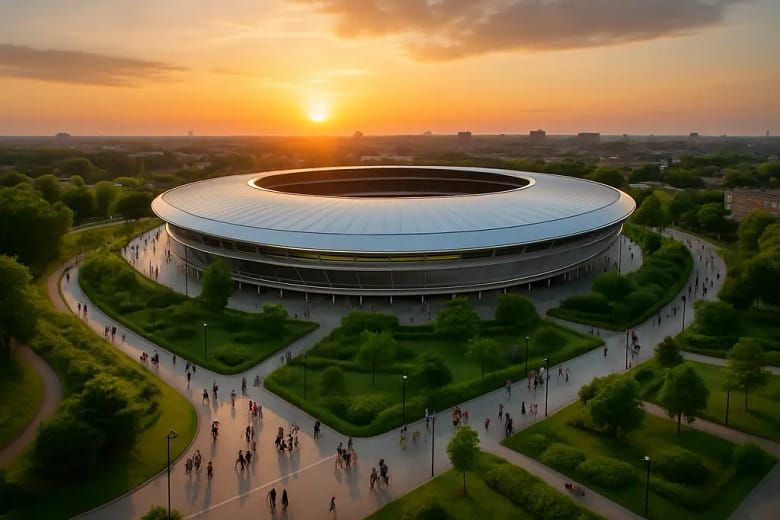
Tampa Venue Financing analysis of the Rays’ approved deal, public caps, site work, green gaps, and fan accountability through 2029.

The 2026 Bank of America Chicago Marathon, held on October 11, introduced four dedicated on-course water refill stations, giving runners an additional way to stay hydrated while reducing reliance on disposable containers. Developed in partnership with Culligan International, the initiative represents an important development in how major road races approach environmental sustainability without compromising athlete …
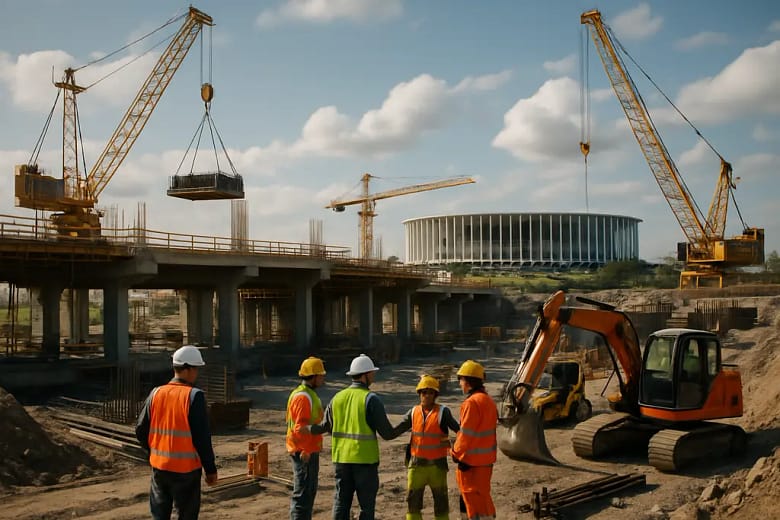
World Cup infrastructure in 2026 linked security funding, transit capacity, accessibility, and lower-carbon fan movement across host cities.
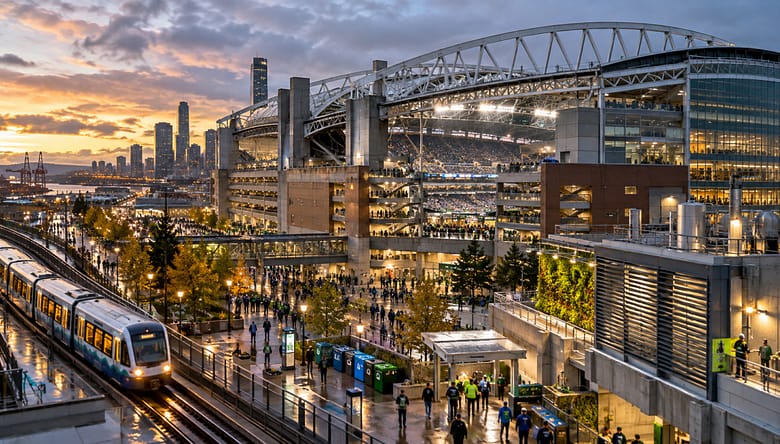
Lumen Field has spent a quarter-century building a reputation around noise, football and the unmistakable Seattle skyline. Now the home of the Seattle Seahawks has another distinction: one of the highest environmental credentials available to a major sports venue. On October 6, 2026, the Seahawks announced that Lumen Field had earned LEED Platinum certification, the …
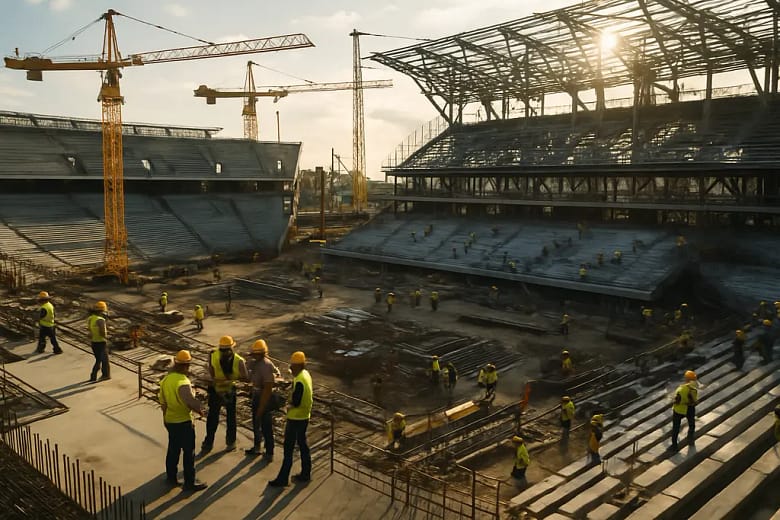
Venue infrastructure lessons from Allegiant Stadium and the Royals deal show how green systems, public funding, and fan access need proof.

Stadium Grant Funding is shaping venue renovations, but public value depends on verified infrastructure, access, safety, and environmental outcomes.
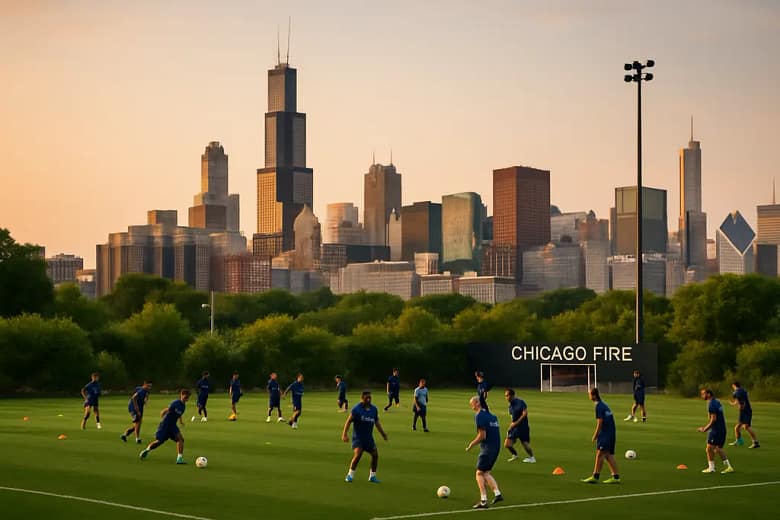
Chicago Fire infrastructure at The 78 raises hard questions about public funding, matchday access, housing, transit, and open space.
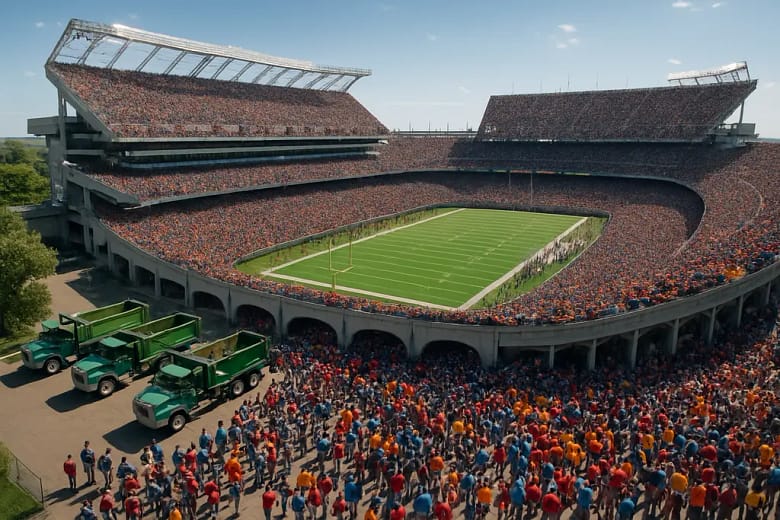
Public Stadium Spending needs clearer tests: seats, prices, labor, public cost, and verified green gains in recent venue projects.
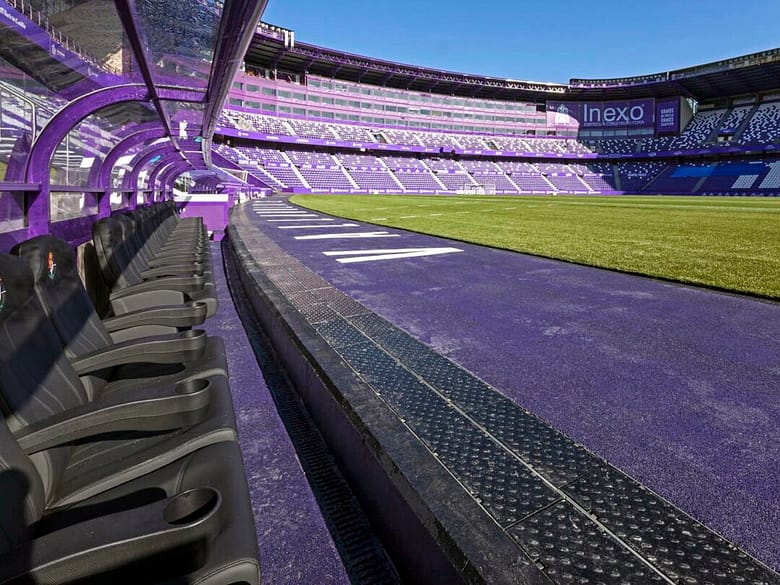
Paving forty acres for professional sport venues creates an immediate hydrologic crisis for the surrounding city grid. Standard concrete drainage pipes cannot absorb the sudden millions of gallons shed by massive facility roofs and adjacent tailgating lots during a heavy storm. Civil engineers must apply localized low impact development strategies at an industrial scale to …
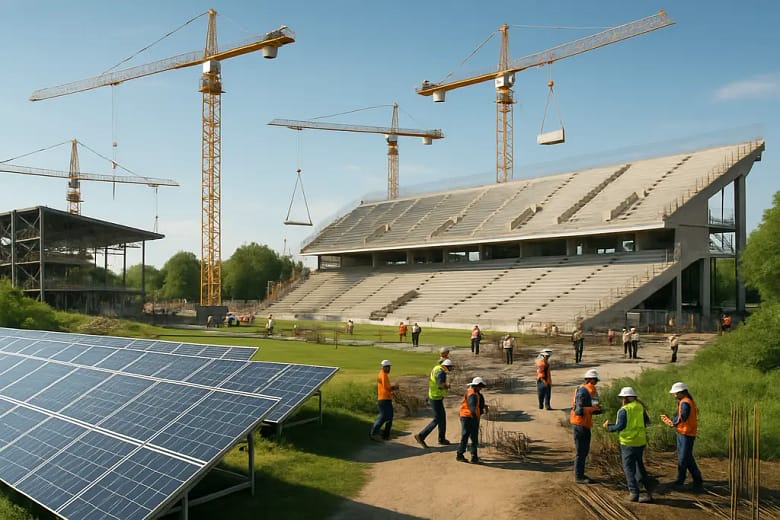
World Cup infrastructure after 2026 shows how existing venues, LEED work, heat planning, and community upgrades shaped soccer’s legacy.