Have you ever thought about how big changes start in small places? I mean, not in fancy offices but in backyards and local fields. It’s where community sports, like Little League, spark big ideas.
While big leaders talk about the environment in cool rooms, it’s the soccer moms who really make a difference. They’re the ones who get things done, like organizing recycling at sports events. The link between sports and the environment is strong and connected.
This part looks at how grassroots sports lead to environmental actions. We’ll see how a simple running club can grow into a big force for saving the planet.
You don’t need a huge company to change things. Sometimes, all you need is a ball and a reason to care. These community efforts show that real change can start where we play.
Successful Grassroots Campaigns
Remember Lois Gibbs and her fight for environmental justice? Today, similar energy is winning in local sports communities across America. While politicians argue, these local heroes are finding ways to get things done.
So, what makes these local initiatives so powerful? They’re like top sports teams, not big organizations. Sports groups already have trust, communication, and a shared identity. When a soccer team cleans up their field, they’re defending their home.
The numbers are impressive. Just like Gibbs’ victory at Love Canal, today’s sports efforts are making a big impact. Baseball teams are using organic materials for their fields. Surf clubs are cleaning up beaches. Cycling groups are pushing for safe bike lanes.
These campaigns win because they play smart with social connections. They use what they already have, not try to build everything from scratch. They make teamwork about doing good, not just winning games. Who will skip the river cleanup?
The secret? Focus on the local + use what you already have + set clear goals. Unlike big campaigns that often fail, these efforts see real change. Cleaner fields. Safer parks. Healthier neighborhoods.
This isn’t just about saving the planet. It’s about building strong communities with a winning spirit. And it’s doing a better job than many government programs.
Community Champions
While climate activists get a lot of attention, the real change happens in unexpected places. Think local soccer fields and basketball courts. These unsung heroes work like secret agents for the planet, doing their part while everyone watches the game.
Meet your neighborhood’s green ambassadors. They’re the soccer mom who started electric carpooling for games. The tennis coach who banned plastic bottles and added water stations. The cycling club that cleans up five miles of highway every month.
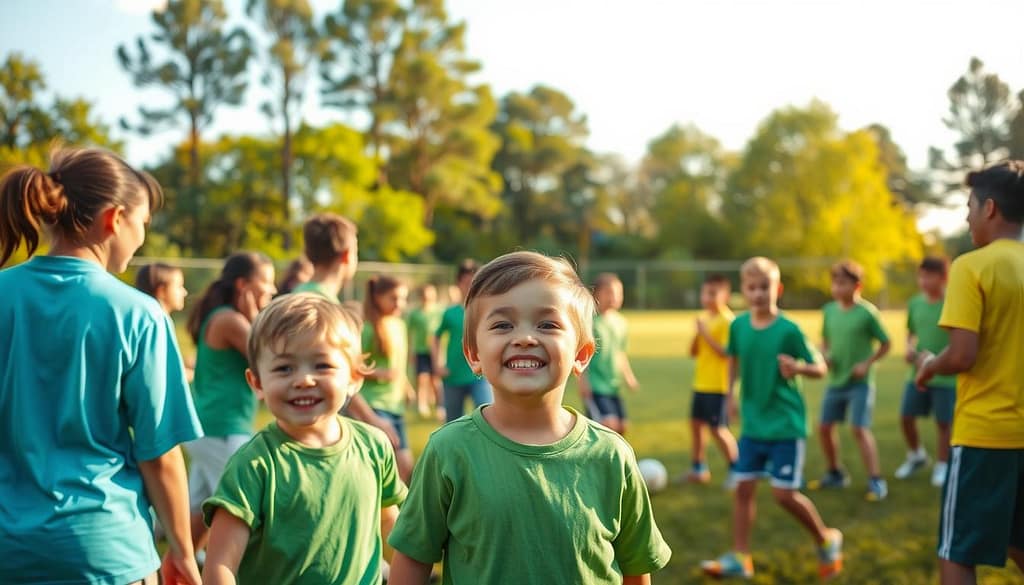
Women are leading the charge in these efforts. They turn sports facilities into green labs. Their goal is to make a real difference, not seek fame.
Why do sports foster such effective leaders? Teamwork creates accountability that companies wish they had. When your teammates expect you to bring reusable items or carpool, it becomes a positive force.
These community champions show that environmental action works best when it’s:
- Locally grounded but globally minded
- Built on existing social networks
- Focused on practical, visible results
- Driven by shared values, not rules
Their grassroots efforts often have a bigger impact than big plans from above. When a whole softball league uses compostable packaging, it’s real change from the bottom up.
| Type of Champion | Typical Actions | Community Impact | Scalability |
|---|---|---|---|
| Youth Sports Coaches | Equipment recycling programs | Teaches next generation values | National association adoption |
| Team Parents | Zero-waste snack systems | Reduces landfill waste | League-wide policies |
| Amateur Athletes | Trail maintenance crews | Preserves natural spaces | Municipal partnerships |
| Club Organizers | Carbon-neutral events | Lowers community emissions | Tournament standards |
These green ambassadors show you don’t need fame to fight climate change. You just need a caring community and a plan to turn daily activities into wins for the planet. Their strategy might be the most critical one we have.
Replicable Solutions
Ever wonder why some environmental efforts succeed while others fail? It’s not magic. It’s about using the right methods. Successful grassroots sports programs have a winning strategy that’s as effective as Billy Beane’s.
What makes a difference? It’s the frameworks that actually work. The Sports for Nature Framework aims for big changes in sports by 2030. The UN’s Sport for Climate Action Framework has been helping sports tackle climate change for years. These aren’t just reports. They’re blueprints for real change.
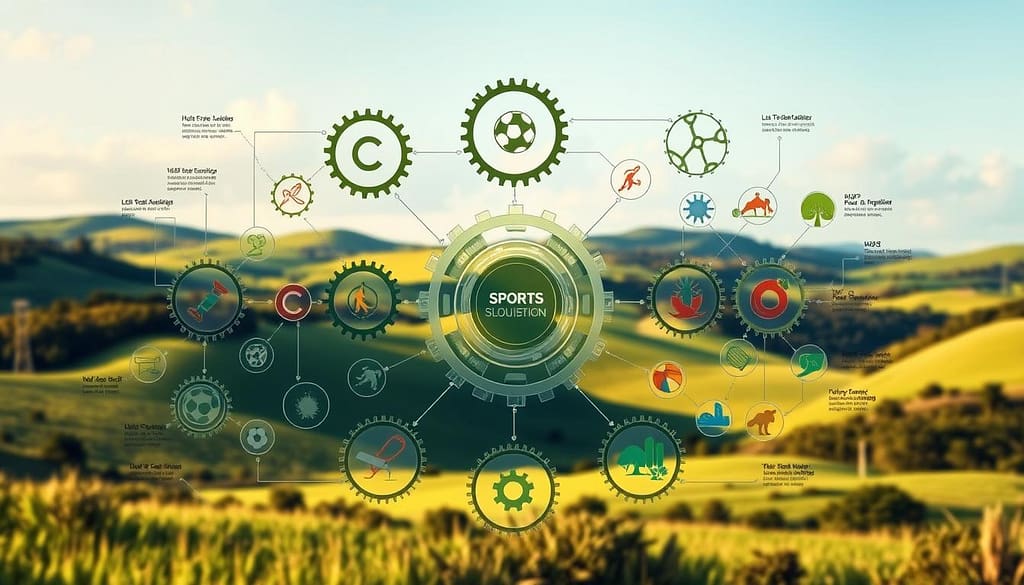
So, why do some frameworks succeed while others don’t? They measure environmental impact like sports stats. They focus on real numbers that drive change, not just looking good in reports.
Small communities are leading the way in reducing environmental impact through sports. They’ve found three key strategies:
- Community solar installations at sports complexes that power facilities and give back to the grid
- Zero-waste tournaments that make recycling fun and competitive
- Local sponsorship models where businesses fund environmental efforts for real community engagement
The beauty of these grassroots sports solutions? They’re easy to scale, measure, and make a real difference. They show communities the impact of their efforts. It’s about making a real change, not just talking about it.
These efforts succeed because they speak to their communities. A good recycling program at a game gets more people involved than any law. It’s about shared identity, not guilt.
The playbook is ready. The frameworks are here. Now, it’s time to take these proven strategies to the next level. One community at a time.
Sustaining Momentum
Saving the planet through sports is a marathon, not a sprint. The first excitement of any environmental effort soon meets the challenge of long-term commitment. How do these local initiatives keep going beyond the initial buzz?
The victory at Love Canal showed us that ordinary people can make big changes when they work together. This belief drives sustainable sports programs to embed environmental values deeply. They have annual events, legacy programs, and youth leadership to keep the movement alive.
Keeping communities involved is more than just good feelings. It needs real results and systems that keep going without relying on one person. Like supporting climate change activists, successful local efforts build environmental and athletic endurance together.
The marathon continues. The baton passes. The game changes forever.