When did kicking a ball become more than just a game? The ancient Greeks might have been the first to clue us in, blending physical prowess with civic duty centuries ago. They understood something we’re only now fully appreciating.
Today, this concept has evolved into what the United Nations calls “one of development’s most powerful engines.” It’s where soccer meets SDGs and volleyball volunteers as a vaccination advocate. The beautiful game becomes a universal language that makes tough conversations about HIV or conflict resolution suddenly approachable.
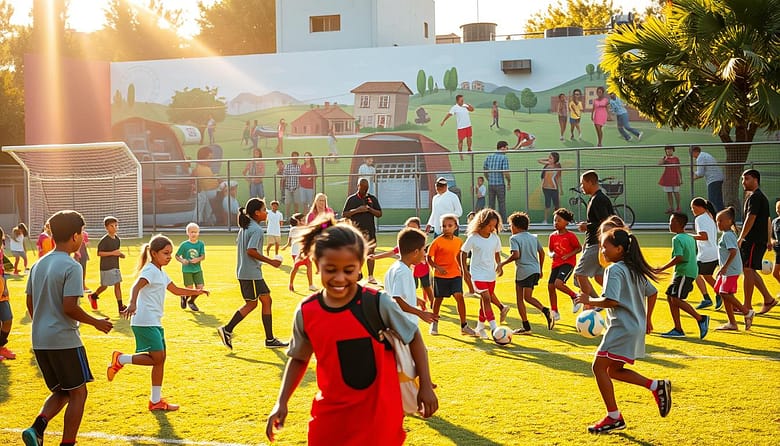
I’ve watched programs like Colombia’s Colombianitos Foundation use football to rebuild communities shattered by violence. They’re proving that teaching kids to pass a ball can also teach them to pass on conflict. According to research, these initiatives create critical contact hours with vulnerable populations, fostering social inclusion and well-being.
It’s the Swiss Army knife of social change – except instead of opening wine bottles, it’s opening minds and rebuilding communities one goal at a time.
Successful Global Models
Forget about diplomats and peace deals. The real game-changers are in sports. They use games to teach us about being better citizens.
The Colombianitos Foundation’s “Goals for Better Life” program is a prime example. It turns football into a way to learn life lessons. Their Juguemos por la Paz (Let’s Play for Peace) program is a four-step plan:
- Initiation with agreements: Kids sign contracts about respect and behavior before playing
- Skills training with life integration: Dribbling drills teach kids about solving problems
- Pedagogical games: Scoring goals helps kids understand community values
- Reflective assessment: Debrief sessions that help kids learn from their experiences
In Sudan’s Twic region, volleyball games brought peace between tribes. The Twic Peace Olympics started as a simple game. It grew into a powerful symbol of unity.
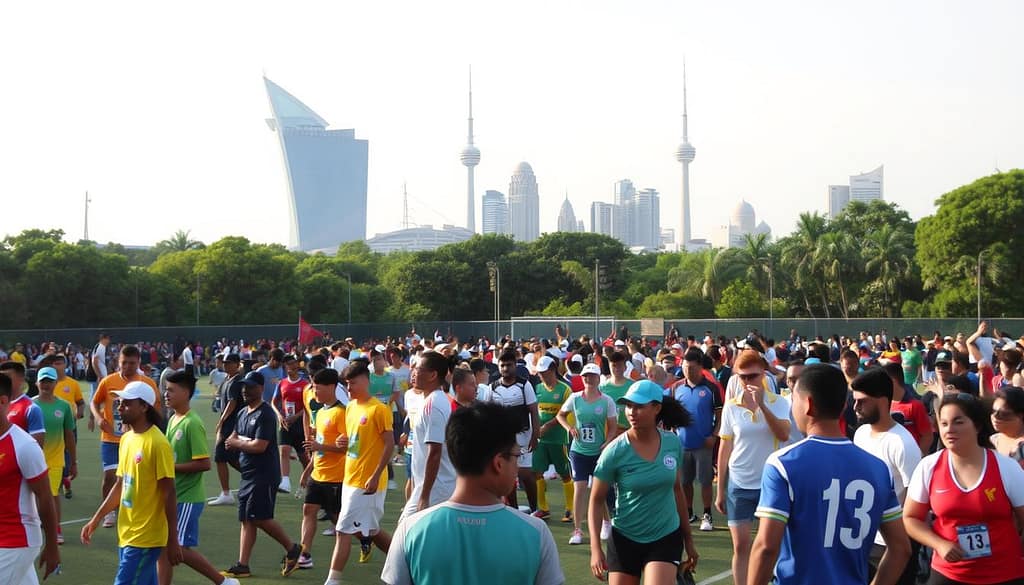
The 2007 Iraqi national football team is another example. They united Sunnis, Shias, and Kurds. Their win in the Asia Cup brought a temporary peace to Baghdad.
These programs show how sports can make a real difference. They can bring people together in ways that politics can’t. Learn more about sports-based community models and their impact.
| Program | Location | Sport | Conflict Context | Key Innovation |
|---|---|---|---|---|
| Goals for Better Life | Colombia | Football | Post-conflict rehabilitation | Four-phase pedagogical structure |
| Twic Peace Olympics | Sudan | Volleyball | Inter-tribal violence | Organic community-led development |
| Iraq National Team | Iraq | Football | Sectarian division | National symbolism & unity |
What makes these models succeed? They use shared experiences to teach us. A good play is remembered long after a lecture.
The beauty of sports-based models? They’re effective and can be scaled up. While reports pile up, these programs deliver real results.
Case Studies: Local to International
Social changes can happen in unexpected places, like a muddy football field in Colombia or an Olympic track in Sydney. It’s not about winning medals or scores. The real change happens in the “social periphery.”
In Colombia, kids learn more than just football. They learn how to solve conflicts. These skills help them at home, where they mediate disputes and talk things out peacefully.
This change spreads through communities. Mixed-gender teams in Colombia challenge old beliefs and support SDG 5. Football is helping to fight for women’s rights.
In Sydney, Cathy Freeman’s 400m gold helped heal Australia. Her victory lap with both flags was a powerful moment of national unity.
These stories show that the biggest positive impact comes from off the field. It’s in the moments between plays that real change happens. The true victory is in the hearts and minds of people, not just in scores.
American programs can learn from these examples. The experiences of young American women abroad show similar growth. When sports focus on people, not just winning, everyone benefits.
Research proves that good sports programs have a big positive impact. They build better athletes and stronger communities. It’s about more than just winning games.
Challenges and Outcomes
Let’s look beyond the inspirational music and see the real game. The sport for development field faces tough challenges. It’s not all about winning trophies and celebrating in slow motion.
Most research comes from academics in the Global North, while programs are in the Global South. It’s like critics reviewing food they’ve never tasted. This gap creates big problems.
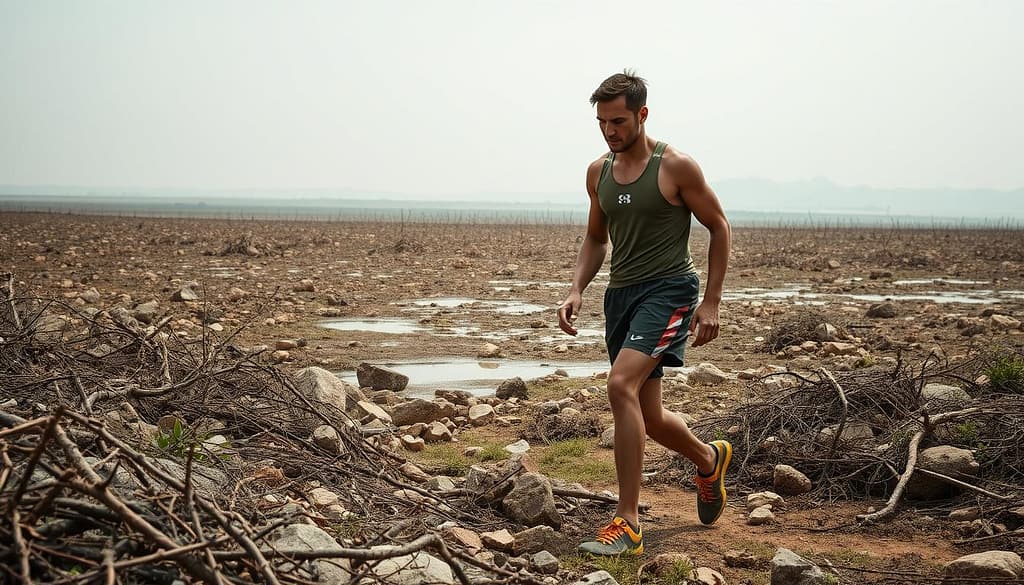
Measuring success is a big goal, but it’s hard to achieve. How do you show if attitudes have changed? Or if violence has really gone down?
Major sports events also have a big environmental impact. They leave a huge carbon footprint. How can we balance sports with saving the planet?
Despite these challenges, sports can change lives. I’ve seen prejudices disappear quickly. Enemies become friends through sports.
| Challenge | Impact Level | Innovative Solutions |
|---|---|---|
| Cultural Perspective Gaps | High | Local leadership programs |
| Measurement Difficulties | Extreme | Mixed-method evaluation |
| Environmental Costs | Growing | Regional tournaments |
| Funding Limitations | Consistent | Corporate partnerships |
The challenges in sport for development programs teach us a lot. Limited resources lead to creativity. Struggles with measuring success help us connect deeper. Environmental worries lead to local solutions.
I’ve seen coaches become like psychologists. Fields become places to learn. Games become ways to make peace. The obstacles are real, but so are the victories.
The scoreboard might not show it, but everyone wins. Sport for development programs change communities in ways we can’t measure but feel deeply.
Measuring Positive Community Change
We’ve moved beyond counting goals to tracking growth. The real scoreboard measures community transformation, not just tournament wins.
The Sport-for-Development framework gives us five measurable pillars: impact assessment, organizational dynamics, sport programming, educational integration, and cultural enrichment. Canada’s high-performance strategy takes this further with Gold Medal Profiles and Podium Pathways – proving even social change needs analytics.
Colombianitos used 28 in-depth interviews and content analysis to track changes. Their research showed football programs improving both passing skills and community cohesion simultaneously. Now that’s a winning statistic.
Effective community models blend quantitative data with qualitative stories. They measure reduced conflicts alongside improved attendance, tracking social capital growth with the same precision as athletic development.
The magic happens when we transform feel-good anecdotes into evidence-based outcomes. Nothing convinces skeptics like data showing how sport simultaneously builds better athletes and stronger communities.