
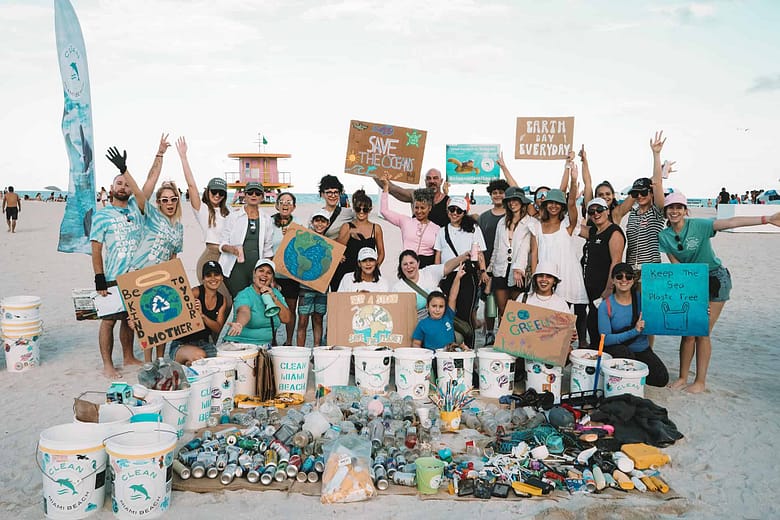
A wave of change is moving across the world. People in big cities and small towns are running for a big cause. They’re not just trying to beat their personal records.
They’re part of a global effort. Every step they take helps fight marine plastic waste. It’s more than just exercise; it’s a way to fight for the environment.
adidas and Parley for the Oceans have teamed up. Their “Run for the Oceans” campaign uses running to fund cleanups and education. It’s a powerful example of how sports can help the planet.
In 2022, 6.7 million people ran together. They covered over 771 million active minutes. For every 10 minutes, adidas helped clean up one plastic bottle.
The goal was to clean up 500,000 pounds of plastic. But the community did even more. They showed that together, we can make a big difference for our beaches.
And the best part? You don’t have to pay to join. Every kilometer you run helps Parley’s important work. You can make a difference while doing something you enjoy.
Choosing Locations and Permits
Before the first runner starts or a cleanup glove is put on, organizers face a key challenge. They must pick the right location and get the necessary permits. This step is critical for the event’s success.
Choosing a location is a big decision. It’s not just about finding a pretty spot. The best spots are often polluted areas like beaches and waterways. This makes the event more than just a run; it’s a chance to help the environment.

Getting permits is also important. It’s not just a formality; it’s a way to protect the environment. Good organizations follow all the rules and try to make things better than they were before.
They have a detailed plan for sustainability. This plan is inspired by events like The Ocean Race. It sets specific goals for reducing waste and protecting the environment.
A good site plan includes:
- Construction and Operations Protocols: Rules for setting up temporary things, keeping boats clean, and managing crowds. This helps avoid harming the environment.
- Waterway Safeguards: Steps to keep nearby water clean, like controlling how fuel is used and waste is handled.
- Biodiversity Buffers: Zones to protect sensitive areas from the event’s impact.
Working with local groups and authorities is essential. This partnership helps address local issues and uses community knowledge. It makes the event more effective and beneficial.
This careful planning in location and permits is what makes an event truly impactful. It ensures the event meets high zero-waste standards. By focusing on this first step, organizers can leave a positive mark on the environment.
Plastic-Free Race Standards
A true awareness run becomes real with clear, enforceable rules that stop waste before it starts. These rules are not just ideas but must be followed. They set a new standard for green sports events.
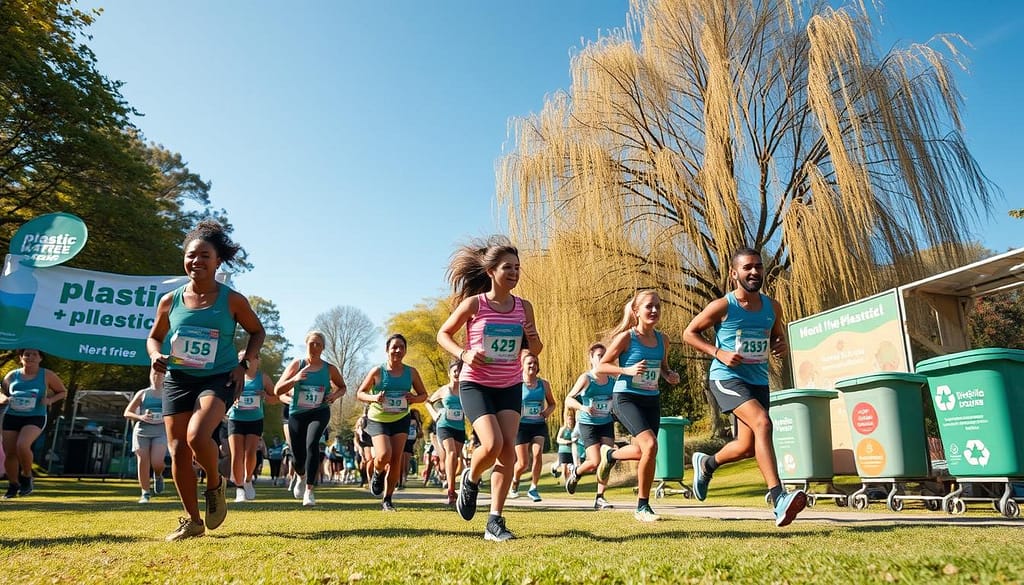
The main rule is simple: no single-use plastics or disposable items are allowed. This rule applies to everything like water bottles, food containers, and even cups for sampling.
We work with cities to find better solutions. For example, runners use reusable cups for water. These cups are returned, cleaned, and used again. This simple change has stopped hundreds of thousands of single-use items from becoming trash.
Every part of the event must follow strict rules. We require that 100% of event branding and signage must be PVC-free. All materials must be recyclable or already recycled.
Host cities also have to show how they will deal with event materials at the end. They must ensure no materials go to landfills. This plan is in place before any event materials are used.
The highest goal is to innovate in a circular way. In The Ocean Race 2022-23, we made the world’s first fully circular event flag. Old flags were recycled into new flag material with Helly Hansen’s help.
This project shows that recycling in sports events is possible. It proves that an awareness run should lead by example, not just talk about change.
| Standard Category | Traditional Event Practice | Plastic-Free Race Mandate | Key Impact |
|---|---|---|---|
| Serviceware & Hydration | Disposable plastic cups, bottles, and plates. | Total ban. Use of returnable/reusable cup systems and compostable alternatives where necessary. | Prevents hundreds of thousands of single-use items per event. |
| Branding & Signage Materials | PVC banners, mixed-material signs with no recycling plan. | 100% PVC-free. Must use recyclable or recycled materials with a submitted end-of-life plan. | Eliminates toxic materials and ensures responsible post-event processing. |
| End-of-Life Plan | Often ad-hoc; materials frequently sent to landfill. | A formal, city-approved plan is required. Landfill disposal is prohibited. | Guarantees materials are recycled, reused, or properly composted. |
| Innovation & Circularity | Linear model: produce, use, discard. | Active investment in and testing of circular solutions (e.g., recycled event flags). | Proves closed-loop systems are possible and drives industry change. |
| Verification & Compliance | Often self-reported or based on goals. | Standards are enforced operational mandates for all vendors and city partners. | Creates accountability and ensures the integrity of the awareness run promise. |
These standards are the new standard. They make sure everyone involved is part of a real solution. The aim is to leave only inspiration, not plastic waste.
Sponsor Swaps (Reusables, Refill)
The biggest fight against ocean plastic at big events isn’t just rules. It’s about smart partnerships. Today, sponsorships need to do more than just show logos. They must be key to making events green.
We team up with cities to swap out throwaway items for lasting solutions. For example, we’ve set up big returnable cup programs. These cut down thousands of single-use bottles and cups at once.
These swaps turn water stations into places where people can choose to reuse.
Real change happens when sponsors help create new materials. With Helly Hansen, we turned old event flags into new ones. This showed that recycling in sports is real and possible.
This move set a new bar for what sponsors can achieve together.
We make sure progress keeps going by setting clear rules in our deals. Our Sustainable Sourcing Code helps decide what to buy, from where to stay to who helps us out. This makes sure everyone works towards our main goal.
A good sponsor partnership today should offer:
- Reusable Infrastructure: Help and setup for cup-return or container-refill systems.
- Material Innovation: Support for making products that can be recycled, like our flag project.
- Verified Sourcing: Following strict rules for buying materials that are good for the planet.
- Direct Action Funding: Money for real actions to clean up and teach about the ocean.
Our partnership with adidas is a great example. For every kilometer athletes run, money goes to Parley for Ocean Plastic. This helps with cleanups and teaching, linking sports to solving ocean plastic problems.
This approach encourages people to act for World Refill Day and more. It shows how sponsor money can help build a world where we reuse more.
Data on Waste Collected and Avoided
Without solid numbers, eco-friendly events’ green claims are just dreams. Measuring impact is key to proving any “awareness run” is real. Good events share two important numbers.
The first is how much trash they pick up. A great example is adidas teaming up with Parley for the Oceans. Together, they turn runners’ efforts into real change.
For every ten minutes of running in 2022, adidas helped remove plastic equal to one bottle. They aimed to take out up to 500,000 pounds.
But, with 6,760,161 runners logging 771,225,511 minutes, they far exceeded their goal. This shows each runner’s big impact on a beach cleanup.
The second important number is how much trash they prevent. Events should also count plastic not made through circular systems. The Ocean Race leads by calculating a “Plastic Footprint” for its races.
This method checks all materials used, helping track how much is reduced. You can see the 2022-23 Plastic Footprint details. It shifts focus from just cleaning up to preventing plastic in the first place.
To be trusted, this data needs to be shared clearly. We follow the GRI Standards for our sustainability reports. These standards help prove the environmental wins we claim.
These standards give us a clear way to report our efforts. They add credibility and responsibility to our green claims.
| Impact Metric | 2022 Data Point | Significance |
|---|---|---|
| Total Participants | 6,760,161 | Demonstrates massive global engagement and awareness. |
| Total Activity Minutes | 771,225,511 | Translates directly into the cleanup commitment formula. |
| Plastic Weight Equivalent Removed | Goal of up to 500,000 lbs | Tangible impact of a global beach cleanup effort. |
| Plastic Footprint Calculated | 2022-23 Race Edition | Measures avoidance, key for lasting waste reduction. |
By focusing on both collection and prevention, we get a full picture of our environmental impact. For sports leaders, digitizing sustainability performance is the next step. It turns important data into useful insights for bettering our efforts.
Expansion to League Calendars
Single events show a strong public call for ocean action. To make lasting change, we need to make these efforts part of sports’ regular schedule. An annual awareness run can be a steady way to engage and educate communities.
Run for the Oceans has become a global movement. More than three million people have joined. This shows that caring for the environment can be a big part of sports culture.
To keep growing, we need a strong system. The Ocean Race uses ISO 20121 for event management. This ensures we stay plastic-free and keep sponsorships going year after year. Sustainability is part of every plan.
When an awareness run becomes a regular event, it leads to big changes. Leagues and teams start to follow these standards too. The battle against ocean plastic gets a strong, lasting voice in sports.