
The 2026 NWSL season has made NWSL business growth a sports story first: more teams on the field, larger crowds in key markets, rising merchandise sales and franchise values that have moved women’s soccer into a higher commercial tier. The strongest evidence came before midseason, not from a single sponsorship claim or isolated sellout, but from attendance, retail and valuation data that pointed in the same direction.
As of August 21, 2026, the season was still active, so any assessment needs care. The regular season began on March 13, 2026, and research notes list its end date as November 1, 2026, with playoffs scheduled from November 6 to November 21. That means the full competitive and financial picture was not finished. Still, the completed first half of the season offered enough verified indicators to evaluate how women’s soccer was drawing capital, fans and media attention while placing new pressure on clubs to support players, matchday workers and communities.
NWSL business growth In The 2026 Season
The headline attendance figure came on March 28, 2026, when Denver Summit FC’s inaugural home match against Washington Spirit drew 63,004 spectators at Empower Field at Mile High. The NWSL described it as the largest attendance ever for a U.S. women’s professional sports event. Through the first half of the season, as of July 2, 2026, the league averaged 11,044 fans per match, about 10 percent above the prior year and on pace for a fourth straight season above 10,000 per game, according to the NWSL mid-year report.
Attendance As A Market Signal
Attendance growth matters because it is one of the cleanest links between sport and business. Gate demand can support ticket pricing, premium seating, venue negotiations and sponsor confidence. It can also expose whether expansion clubs have local traction beyond launch curiosity. Denver’s 63,004 figure was exceptional and should not be treated as a weekly baseline. Yet it carried weight because it came in an inaugural match for a new club, in a major stadium, against an established opponent.
Opening weekend added context. From March 13 to March 15, 2026, eight matches drew 129,202 fans, an average of 16,150 per game. Boston Legacy FC also drew 30,207 in its club debut. For a league that expanded from 14 teams in 2025 to 16 in 2026 with Boston Legacy FC and Denver Summit FC, those debut numbers suggested that new-market demand was not limited to one city. The more cautious reading is that first-match curiosity and schedule placement can raise figures. The more encouraging reading is that fans showed up at a scale sponsors and local governments can measure.
What Fans Bought And Watched
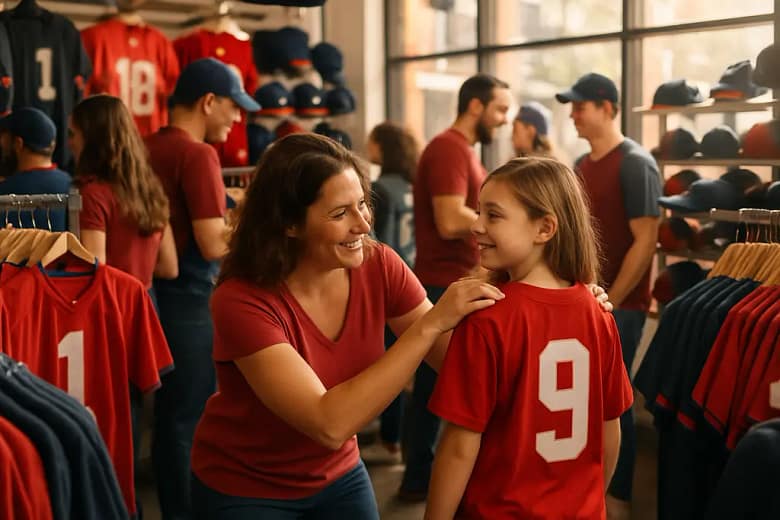
Retail data reinforced the attendance story. Through mid-2026, combined NWSL club retail sales rose 72 percent year over year, while sales through NWSLShop.com rose 207 percent. Merchandise demand is not the same as ticket demand, but it shows deeper fan identification. People do not buy jerseys, scarves or club gear only because a one-off event is available; they buy into an athlete, a crest, a city connection or a longer-term fan habit.
Digital engagement also helped define the season’s business case. By Week 10 of the 2026 season, NWSL match coverage generated more than 1 billion minutes viewed. YouTube channel views rose 41.7 percent to 11.2 million, watch-hours rose about 50 percent and subscribers rose nearly 18 percent compared with the same point in 2025. Those gains matter because women’s soccer has often had to prove not just in-stadium demand, but repeatable audience behavior across platforms.
Valuations, Sponsors And Revenue Pressure
Team valuations moved sharply in 2026. Forbes reported in April 2026 that Angel City FC was valued at $340 million, up 21 percent from 2025. Forbes also reported that the league’s median team value rose 79 percent year over year to more than $192 million, with the lowest-valued teams around $140 million, in its 2026 valuation list. Those figures were estimates, not sale prices for every club, but they changed the financial frame around the league.
NWSL business growth Signals For Owners
For investors, NWSL business growth in 2026 was tied to scarcity, expansion and proof of demand. A 16-team league with rising crowds offers more inventory: more home matches, more regional sponsors, more local content and more player-driven storytelling. But it also raises costs. Clubs that want to keep pace need training facilities, front-office talent, youth programming, medical support and travel standards that match the sport’s higher commercial standing.
That is where athlete advocacy belongs in the business discussion. Revenue growth should not be viewed only through the owner return model. If women’s soccer is becoming more valuable, the next responsible question is how clubs and the league distribute resources toward player health, performance environments and community access. The February 19, 2026 partnership with CVS Pharmacy, named in the research notes as the NWSL’s Official Health and Wellness Partner, is relevant because it tied sponsorship to youth clinics and community impact efforts, not only signage.
Sponsorship Categories Are Broadening
The 2026 sponsorship record in the research notes showed a broader commercial menu. On February 25, 2026, NWSL Atlanta agreed to a seven-year primary front-of-kit sponsorship with Aflac, described in the notes as the largest front-kit deal in women’s sports history. On July 21, 2026, Portland Thorns and Portland Fire signed a multiyear partnership with Treasure AI that covered jersey sleeve space, practice kits, content and fan engagement tools. Those agreements point to a league selling more than match exposure.
The caution is that headline sponsorship language can be hard to compare across leagues unless contract values, incentives and media guarantees are public. Still, the categories are telling. Health, insurance, artificial intelligence and retail demand all sit around the same product: a women’s soccer league with visible athletes, growing club identities and match inventory that brands can use throughout the year.
Sports Business Effects Beyond Matchday
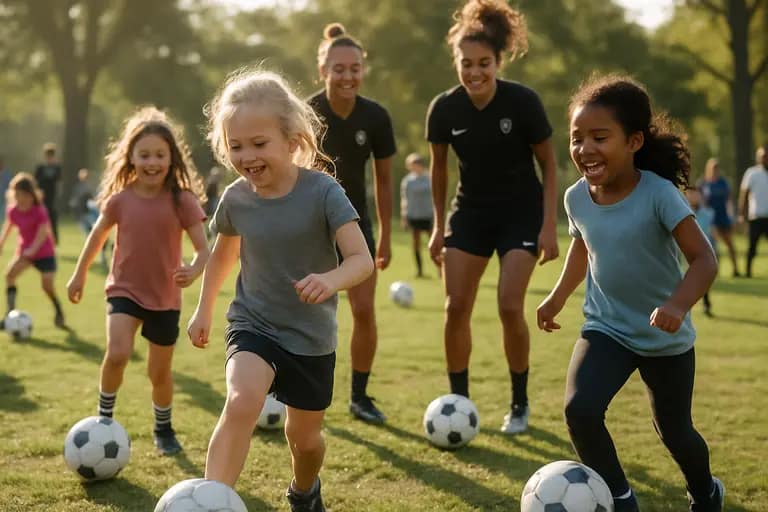
The effect of the 2026 NWSL season reached beyond the stadium turnstile. A club that draws larger crowds needs better event operations, transportation planning, food and beverage staffing, merchandise fulfillment and local partnership strategy. That turns women’s soccer into a civic and regional business concern, particularly in cities using major venues for marquee matches.
Stadiums, Tourism And Local Spending
Denver’s March 28 crowd at Empower Field at Mile High showed why venue scale now matters in selected markets. Large stadium matches can create single-day demand for parking, transit, concessions and nearby hospitality. Smaller soccer-specific venues can protect atmosphere and scarcity, but they may cap revenue during high-demand fixtures. Neither approach is automatically superior. The right venue depends on opponent, date, market, pricing and staffing capacity.
Sports tourism is part of that calculation. Supporters traveling for women’s soccer can affect hotels, restaurants and recreation businesses near stadium districts. Cross-sport venue planning, from soccer grounds to golf properties such as the Copeland Hills Golf Club, faces a shared question: how to convert event traffic into repeat community use without pricing out local fans. For NWSL clubs, that question is especially important because growth built on families, youth players and local supporters can be damaged if matchday becomes too expensive too quickly.
Equity Questions Remain Business Questions
Women’s sports growth is often framed as a visibility issue, but the business challenge is more exact: whether visibility becomes durable revenue and whether that revenue improves conditions for athletes. Soccer is not alone here. Back2Tap’s coverage of the Women’s Baseball World Cup equity test reflects a related pressure point across women’s sports: events can attract attention, but systems decide whether that attention lasts.
NWSL business growth also creates accountability for clubs. If retail sales rise 72 percent and digital consumption crosses 1 billion viewed minutes by Week 10, supporters will reasonably expect professional standards across broadcasts, scheduling, facilities and player care. Sponsors may expect cleaner measurement. Athletes may expect the league’s commercial gains to show up in resources that affect training and recovery. Those are not side issues; they are part of whether the business model can hold trust.
What NWSL business growth Means For Women’s Soccer
The 2026 season showed that women’s soccer in the United States had passed another commercial marker before the postseason began. The facts available by midseason were strong: a record U.S. women’s pro sports crowd in Denver on March 28, a league attendance average above 11,000 as of July 2, major retail growth, rising digital engagement and valuation estimates that placed several clubs in a far larger financial category than in prior years.
The next test is not whether the NWSL can produce a standout crowd or a sponsor announcement. It already did both in 2026. The test is whether clubs can convert that attention into repeat attendance, responsible pricing, better player environments and sponsorship models that respect the athletes as the central product. If NWSL business growth continues to be measured with that sports-first lens, the league’s commercial rise can support both stronger clubs and a more credible future for women’s professional soccer.