
Imagine if Jackie Robinson had a Fitbit. He didn’t need it to break down segregation. Today, we see new ways to use sports for change. Programs like Toronto’s MLSE LaunchPad show how sports can help.
This program focuses on four key areas: Healthy Body, Healthy Mind, Ready for Work, Ready for School. It’s more than just sports. It’s about using sports to teach important life skills. This approach helps people grow in many ways.
We’ve moved past old sayings like “pull yourself up by your cleats.” Today, we use data and strategy to make a difference. This approach is seen in places like Mali and Milwaukee. It shows how sports can help people in many ways.
So, when did the weight room become a place for deep thinking?
Minority Representation in Mainstream Sports
Let’s play a game called “Spot the Token” — because nothing says progress like counting heads at the championship parade. Serena Williams didn’t just smash records; she redefined what dominance looks like in a sport haunted by elitism. Yet, for every Williams-level breakthrough, the Canadian Women & Sport Report (2023) shows a harsh reality: 84% of athletic leadership roles are held by white men. Progress? More like a halftime show with no second act.
Hope Solo’s infamous takedown of U.S. Soccer’s “toxic” culture wasn’t just locker-room gossip — it was a flare gun exposing systemic rot. Her experience mirrors Stronach & Maxwell’s 2020 findings: pay-to-play barriers exclude 62% of low-income minority youth from organized sports by age 14. The math is simple — no access equals no Serena-shaped lightning bolts to the status quo.
But wait — Australia’s Women Leaders in Sport initiative offers a blueprint. They’ve:
- Tripled Indigenous representation in coaching roles
- Cut athlete dropout rates by 40% through mentorship programs
- Created hybrid roles blending athletic and executive training
It’s not about adding diversity sprinkles to the same stale cake. Real racial equity in sports means baking new recipes — ones where a Black girl from Compton isn’t “exceptional” for reaching Wimbledon, but expected. Until then? We’ll keep playing “Token or Trailblazer?” — the world’s least fun trivia game.
Accessibility and Opportunity Gaps
Let’s cut through the noise: while pro sports franchises build billion-dollar palaces, millions of kids play on cracked asphalt. They use milk crates as hoops. This isn’t just about basketballs bouncing wrong – it’s about sports accessibility determining who gets to dream big. Picture Baltimore’s rec centers from The Wire, but with less HBO drama and more systemic neglect.
The Pay-to-Play Paradox
Youth sports now cost families $700+ annually – more than some rent payments. Want your kid to make the travel team? Better budget like you’re financing a World Cup bid. Eime et al. (2020) called this the “socioecological participation trap,” but let’s translate: we’ve turned play into a luxury good.
Chicago’s Midnight Basketball League reduced crime rates by 30% in the 90s – until funding evaporated faster than a Steph Curry three-pointer. Today’s sport as integration efforts face similar hurdles:
| City | Public Courts per 10k Residents | Youth Sports Participation | Pro Team Stadium Subsidies (2023) |
|---|---|---|---|
| Detroit | 1.2 | 38% | $1.2B |
| Atlanta | 2.1 | 52% | $700M |
| Los Angeles | 0.8 | 41% | $2.3B |
The MLSE LaunchPad model offers hope – think Uber for sports transportation, shuttling kids to facilities like they’re VIPs. But until we fix these gaps, empowering communities through sports remains a halftime speech, not a game plan.
Case Studies: Minority Athletes Who Changed the Game
What does it take to change the game? For minority athletes, it’s not just about winning. It’s about breaking down old barriers with every move. They turned sports into a place for social change.
These icons didn’t just play games. They used their talents to challenge the status quo. Their stories are about more than just sports.
From Althea Gibson to Mo Salah: The Diplomats of Disruption
Althea Gibson didn’t just win Wimbledon in 1957. She hacked tennis’s racism with her skills. Mo Salah, too, has made a mark, helping to unite Britain through his goals.
Sherry & Rowe’s SFD framework explains their impact. These athletes were “cultural mitogens”. They helped society change for the better through their achievements.
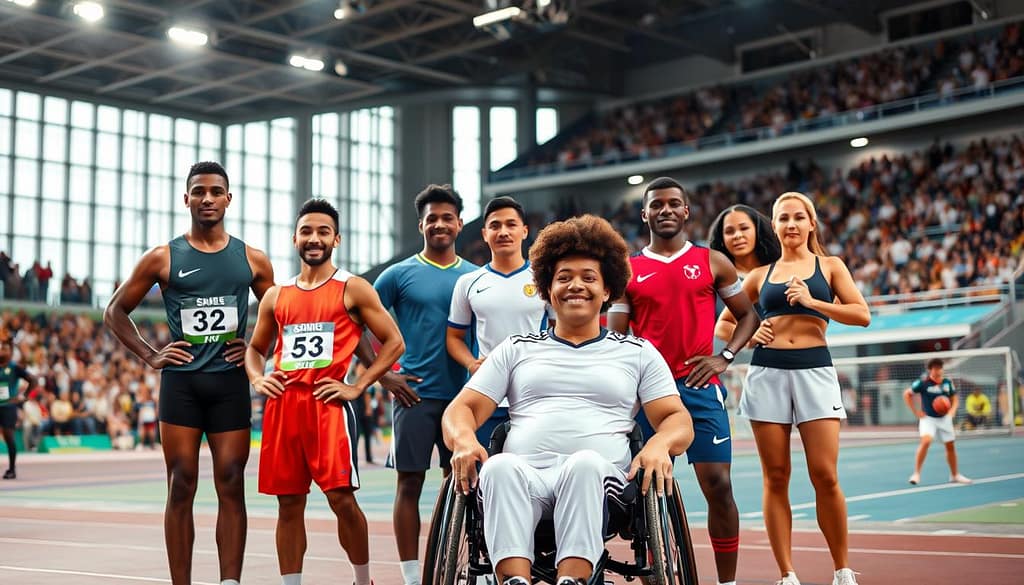
LeBron builds schools, but Ibtihaj Muhammad’s fencing hijab was a game-changer. China’s Uyghur skating program is also a powerful example. These athletes turned sports into a fight for equality.
- Elena Delle Donne (WNBA): Turned Lyme disease advocacy into a masterclass in sports-for-women-empowerment
- Yusra Mardini (Olympic Refugee Team): Swam past geopolitics in Rio’s pools
- Nathan Chen (Figure Skating): Quadruple jumps over the “model minority” myth
Ted Lasso’s AFC Richmond is a fictional team that shows real diversity. Sam Obisanya’s Nigerian-inspired restaurant subplot gets more attention than FIFA’s anti-racism efforts. This shows how far we’ve come.
Sports Programs and Social Mobility
Forget about participation trophies. Today, sports programs focus on college acceptance rates and median salaries. They turn court skills into career skills, treating sports like job interviews.
Education Through Athletics
Canada’s MLSE LaunchPad shows how sports can teach life skills. Their Ready for Work program doesn’t just teach sports. It also teaches skills like Excel formulas.
- Certifications in event management (because organizing a tournament isn’t far from coordinating a board meeting)
- Mental health first-aid training (turns out handling pressure-cooker playoffs builds crisis management skills)
- Paid internships with corporate sponsors (where “team player” becomes more than a résumé cliché)
Workforce Development Playbooks
Real change comes from programs that treat corporate sponsorships like Office Space-style “flair” requirements. Wimbledon’s partnership with Deloitte is a great example. While female tennis stars fight for equal pay, they learn negotiation tactics.
| Program | Skills Focus | Post-Program Outcomes | Corporate Sponsor ROI |
|---|---|---|---|
| Keeping Girls in Sport (CA) | Leadership development | 83% pursue STEM fields | 35% brand loyalty increase |
| NBA Math Hoops | Data analytics | 2.1x college readiness | 18% employee retention boost |
| NFL Up! Program | Financial literacy | 47% start small businesses | 22% market share growth |
These programs show how sports can lead to real social mobility. When a Harlem RBI participant lands a Goldman Sachs internship through baseball stats, that’s success. The social impact of sports is seen in 401(k) contributions, not just championship rings.
Community Engagement for Equity
Creating fair sports systems is more than just giving money. It’s about changing how things work. Imagine Leslie Knope planning a Harvest Festival, but with more effort and less animals. True progress comes when communities make programs that meet their needs, not just what companies want.
Let’s look at what really works (and what doesn’t) in making sports inclusive.
Grassroots Organizing Strategies
Australia’s gIRLS program shows you can make a difference without NBA money. They use neighborhood groups and never give up. Their success comes from three key things:
- Skill-sharing circles: Coaches share knowledge like trading cards
- Equipment libraries: So, kids don’t have to buy expensive gear
- Cultural translators: Bilingual helpers connect different cultures through sports
Research from 2020 shows that using sports to improve cities works. Initiatives like this keep more young people in cities. The key is to see basketball courts as places for change.
Corporate Partnership Pitfalls
Watch out for sponsors who think just putting logos on things is enough. Real partnerships are about more than just logos. They’re like the WNBA’s Changemakers program, where money goes to real work, not just photos.
| Partnership Type | Key Features | Community Impact |
|---|---|---|
| Authentic Allyship | Multi-year funding, community decision boards | +34% program sustainability |
| Checkbook Activism | One-off donations, mandatory logo placement | 12% participant distrust |
| Hybrid Model | Skill-based volunteering + flexible grants | 19% higher volunteer retention |
The main rule? If your CSR looks good on a slide but doesn’t last, you’re not helping. You’re just acting.
Addressing Systemic Barriers
Sports’ equality story often feels like a halftime show, full of flash but lacking substance. Leagues push for diversity, but structural inequities hold back many communities. It’s not just about bad calls; it’s about unfair rules.
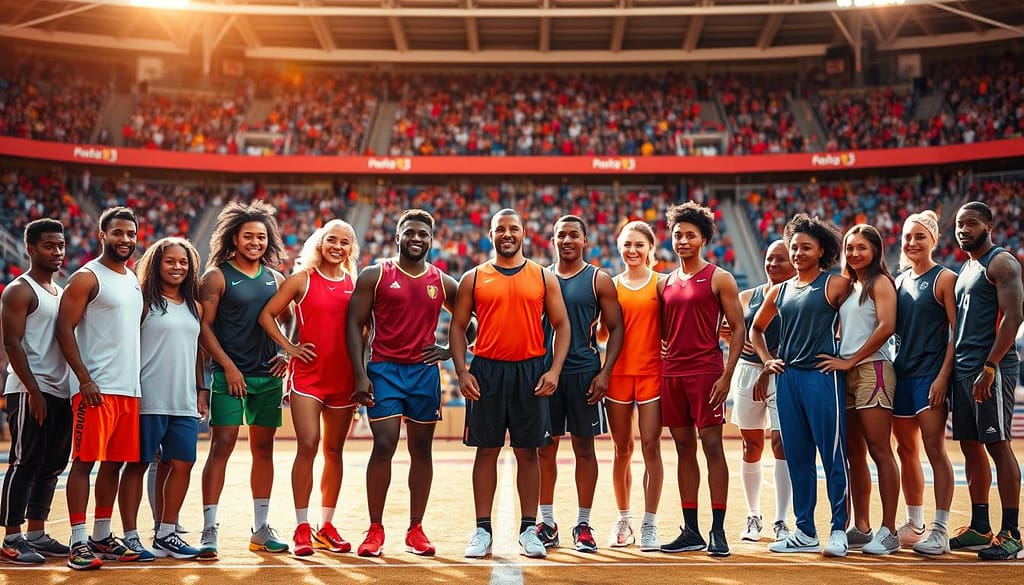
Institutional Racism in Sports
The NFL’s Rooney Rule aims to help minority coaching candidates, but it’s not enough. Only 8% of head coaches hired under the rule are Black, as ESPN reports. This shows that diversity theater can’t change systems built on colonial legacies (Burnette et al., 2014).
Adaptive sports for the differently abled face similar challenges:
- Community programs rely on passion and makeshift equipment.
- Paralympic athletes get only 0.4% of mainstream sports sponsorships.
- Wheelchair basketball leagues often play in high school gyms after varsity teams finish.
Breaking the Glass Backboard
Meet Jamal, a 17-year-old point guard from Houston’s Fifth Ward. His AAU team practices at 5 AM because their court lacks lights. Yet, scouts look for the next LeBron, ignoring the $12,000 pay-to-play fees that keep kids like him out.
| System | NFL Diversity | Adaptive Sports |
|---|---|---|
| Funding | $250M/yr “social justice” budgets | 72% rely on GoFundMe campaigns |
| Visibility | Primetime slots | Streamed on niche platforms |
| Leadership | 83% white executives | 94% volunteer coaches |
True sport as integration goes beyond social media posts. It means changing the game, not just talking about it. When the final buzzer sounds, we should all have a fair chance to win.
Policy Recommendations
We need real change, not just “Diversity Day” merchandise. Imagine Title IX with a TikTok presence. That’s what it takes to fix deep-seated problems. Toronto’s MLSE LaunchPad shows us how, blending sports with community-driven social impact without getting bogged down.
Legislative Game Changers
Why do we keep treating “diversity training” like it’s outdated? We need policies that tackle problems at all levels, like Marra’s complexity theory (2015) suggests. This means:
- Grassroots funding for sports green spaces in food deserts
- Transportation subsidies for low-income youth to reach facilities
- Anti-discrimination clauses in stadium funding agreements
MLSE’s success is a lesson to us all. Their 94% participant retention rate is a slap in the face to programs stuck in the past.
Funding Allocation Strategies
The real hero is money that actually helps communities, not just vanishing in “administrative costs.” Let’s compare:
| Strategy | Impact Score | Cost Per Participant | Longevity |
|---|---|---|---|
| Corporate Sponsorship | 6.2/10 | $1,200 | 2-3 years |
| Municipal Bonds | 8.7/10 | $450 | 5+ years |
| Philanthropic Grants | 4.1/10 | $2,800 | 1 year |
Municipal investment beats out flashy corporate deals. It’s the social impact of sports in action. It’s sustainable, scalable, and maybe a bit dull. But change doesn’t have to be trendy.
Celebrating Cultural Diversity in Sports
Modern sports arenas are melting pots of cultural exchange. Here, Haka war dances meet soccer hijabs, and Lunar New Year jerseys sit next to Pride Night armbands. It’s not just about tolerance anymore; it’s about active cultural remixing at Olympic speed.
When Ancestral Chants Meet Algorithmic Scouting
The New Zealand All Blacks’ Haka ritual now gets more TikTok views than rugby highlights. Nike’s Pro Hijab line lets Muslim athletes play without giving up tradition. Here are some cultural mashups:
- NBA teams use Indigenous Australian songlines for defensive schemes
- Premier League clubs host Diwali fireworks next to Christmas markets
- NWSL’s Pride Night debates spark deep Twitter discussions
The Great Globalization Playbook
Major League Soccer’s taco trucks and craft beer stadiums are like UN summits. But the real excitement is in China’s western provinces. Li et al.’s 2025 study shows Uyghur youth use soccer for cultural preservation and integration.
The NBA’s Lunar New Year campaigns are a tightrope walk of cultural celebration. Last year’s “Year of the Rabbit” jerseys sold out fast, but the league faced criticism for Xinjiang cotton sourcing. Sports integration is full of surprises.
Urban development projects now rely on cultural alchemy. Minneapolis’s Somali-led soccer leagues turned old warehouses into community hubs. Atlanta United’s diverse fanbase helped rebrand the city as a global hotspot. As stadiums become cultural centers, maybe referees should get diplomatic immunity.
Conclusion
Jackie Joyner-Kersee didn’t just break records; she changed the game for minority athletes. Today, stars like Naomi Osaka and Colin Kaepernick are pushing boundaries even further. They’re not just following in her footsteps; they’re rewriting the rules.
These athletes are using their platforms to fight for racial equity in sports. The MLSE Foundation’s 9-week mentorship program shows real progress. It helped 78% of participants find new career paths.
This isn’t just about making a statement. It’s about real change in sports. The MLB’s inclusion of Negro League stats last year was a big step. It’s about fairness and recognition.
True change in sports needs more than just words. It needs action and dedication. Lebron James’ I PROMISE School and grassroots programs like Peace Players are making a difference. They show that with hard work, anything is possible.
So, are we ready for real change in sports? Are we ready to build a better future? The answer will show if sports are a mirror to society or just a distraction.
Let’s keep pushing for a better future in sports. Let’s make sure everyone has a chance to succeed.