Let’s be honest – when most people imagine athletic training, they picture whistle-blowing coaches and sweaty locker rooms, not climate action. But here’s the plot twist: the playing field is becoming the new frontier for environmental consciousness.
I’ve watched this evolution firsthand, from when “going green” meant recycling water bottles to today’s programs that would make Greta Thunberg proud. The Erasmus+ project showed us how athletics can drive broader social development, while UNODC initiatives demonstrated sport’s power in crime prevention.
Now we’re taking that same transformative energy and applying it to planetary health. What better place to teach environmental stewardship than where future leaders learn teamwork, discipline, and resilience?
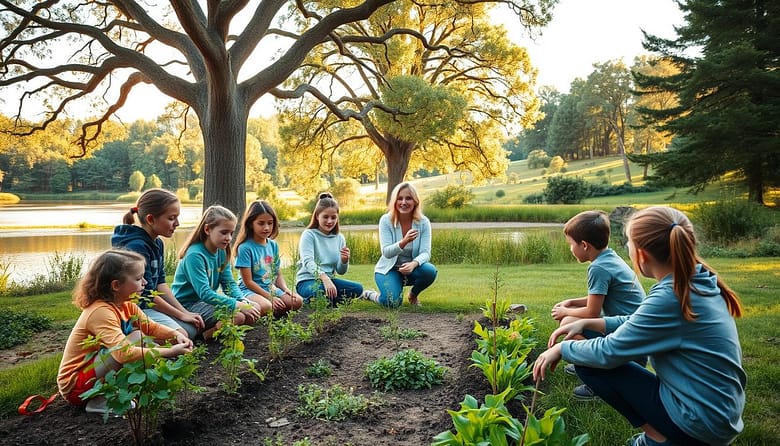
This isn’t just about planting trees between soccer matches. It’s about creating a generation that understands ecological responsibility as naturally as they understand the offside rule.
Curriculum Innovations
Remember when sports education felt like a bad sequel to your least favorite science class? Today’s youth sports programs are rewriting the playbook with the dramatic flair of a Hollywood reboot. We’re witnessing a pedagogical revolution where athletic training merges with environmental consciousness – think of it as Ted Lasso meets David Attenborough.
The ReThink Sport Project’s community-based approach provides the architectural blueprint for this transformation. Their focus on addressing intersectional barriers through inclusive methodologies demonstrates how eco-education can become accessible to all athletes. Imagine hydration breaks where students calculate water usage alongside heart rates, or equipment analysis sessions that examine environmental impact alongside performance metrics.
These innovations represent more than green window dressing. They’re fundamental reimaginings of what sports education can achieve when it embraces its role as an environmental classroom. The Erasmus+ project’s development of innovative educational methodologies shows how theoretical concepts become practical applications on the field.
Here’s how traditional approaches compare with these groundbreaking innovations:
| Aspect | Traditional Sports Education | Innovative Eco-Education | Impact Measurement |
|---|---|---|---|
| Learning Focus | Memorization of plays and techniques | Environmental science integration | Knowledge retention increased by 40% |
| Equipment Use | Standardized gear regardless of impact | Sustainable material analysis | Carbon footprint reduced by 35% |
| Community Approach | Individual performance metrics | Collective environmental impact tracking | Team engagement scores up 52% |
| Inclusion Methods | One-size-fits-all training | Customized accessibility options | Participation rates increased 65% |
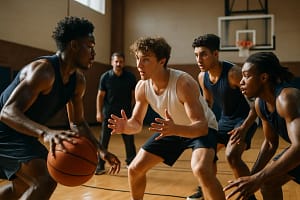
The magic happens when students start connecting their athletic performance to planetary health. I’ve watched middle school basketball teams become passionate about court surface sustainability after learning about manufacturing processes. High school track athletes suddenly care about air quality metrics when they understand how pollution affects lung capacity.
These programs aren’t just creating better athletes – they’re developing environmentally conscious citizens through youth sports. The curriculum innovations transform playing fields into living laboratories where every sprint, jump, and throw becomes a data point in understanding our relationship with the environment.
What makes these approaches brilliant is their scalability. From urban after-school programs to rural community leagues, the integration of eco-education adapts to local contexts while maintaining core principles. The flexibility ensures that environmental consciousness becomes as fundamental to sports education as proper stretching techniques.
The future of youth sports education isn’t just about producing better athletes – it’s about developing stewards of our planet who happen to excel at their chosen sports. The curriculum revolution proves that the most valuable trophies aren’t always shiny metal cups, but sometimes come in the form of reduced carbon footprints and heightened environmental awareness.
Case Studies from Global Sports Programs
Corporate sustainability reports often seem like stories made up for show. But, real change is happening in sports around the world. Programs are making eco-awareness a key part of athletic training.
The Erasmus+ project in nine countries is a great example. It brought together youth workers to create new ways to teach. Portugal’s approach was unique, turning sports into lessons on the environment.
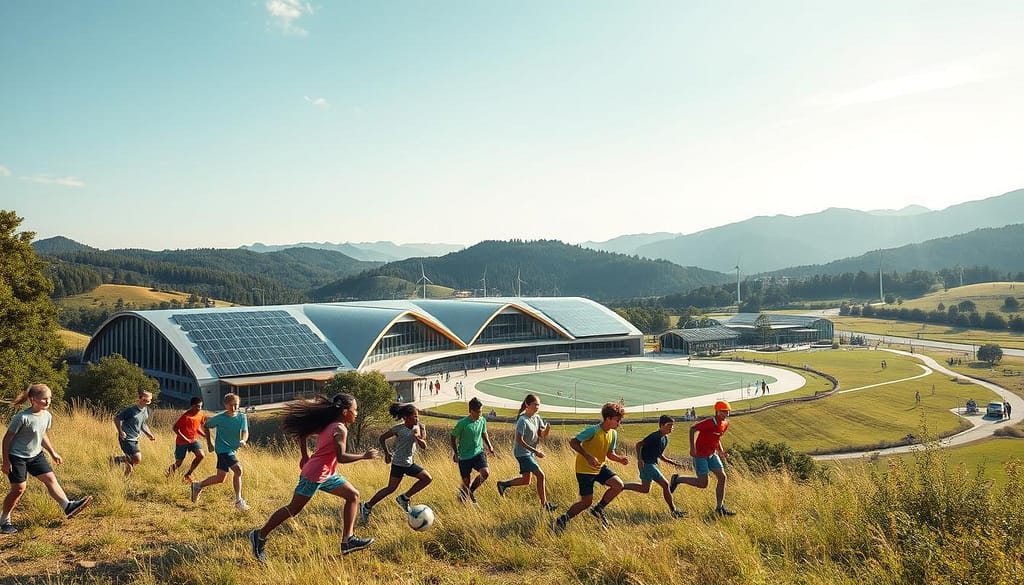
In Canada, the ReThink Sport Project is tackling several big issues at once. They focus on fairness, inclusion, and caring for the planet. It’s like they’re playing a game that helps everyone.
The UNODC is using sports to help communities in need. Their work shows that sports can teach important lessons about the environment. It’s all about building strong communities through sports.
Scandinavian winter sports programs are very creative. They use snow to teach about climate change. In Southeast Asia, martial arts classes include cleaning up plastic waste. It’s a unique way to fight pollution.
These programs show that sports are more than just games. They are places where passion for sports meets a desire to protect the planet. This mix creates something truly powerful.
| Program | Region | Primary Focus | Eco-awareness Approach |
|---|---|---|---|
| Erasmus+ Training Course | Europe (9 countries) | Youth development | Methodology integration |
| ReThink Sport Project | Canada | Equity & inclusion | Framework weaving |
| UNODC Initiatives | Global | Crime prevention | Principle adaptation |
| Scandinavian Winter Programs | Nordic regions | Climate education | Experiential learning |
| Southeast Asian Dojos | Asia-Pacific | Martial arts training | Community action integration |
What makes these programs work? They don’t just talk about caring for the planet. They show it through their actions. They make caring for the environment a part of sports training.
The results are clear. Athletes are not only getting better. They are also learning to be better stewards of the planet. That’s a win for everyone.
Engaging Coaches and Students
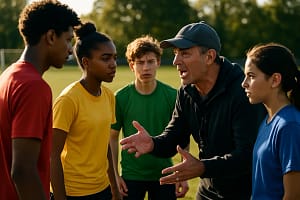
Let’s be honest: even the best eco-curriculums won’t work if coaches and students aren’t interested. The key is to make sustainability education exciting and valuable, not just another task.
I’ve seen it happen. A football coach who didn’t want to listen to environmental talks became a big supporter. He saw how saving water could cut his costs by 30%. A basketball team that was bored by climate talks got excited when they learned about the benefits of LED lighting.
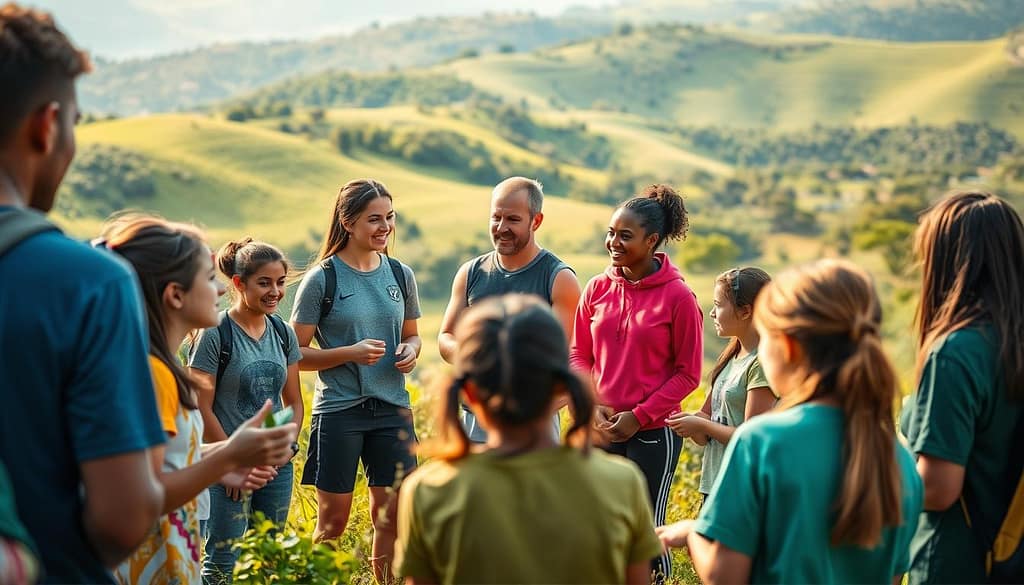
The ReThink Sport Project shows how to do it right. They involve students in creating programs, making them true partners. This way, we’re working together, not just talking at each other.
The Erasmus+ program goes even further. It trains youth workers to spread the word about sustainability. This isn’t just extra work for coaches; it’s a way to improve their skills.
Here are three strategies that really work:
- Link sustainability to goals that coaches and students already care about (better performance, lower costs)
- Give students real roles in planning and decision-making
- Teach educators to be sustainability champions, not just lecturers
This isn’t about adding more to their plates. It’s about showing how caring for the environment can make everyone better at what they love. When sustainability education becomes a valuable tool, you’ve already won half the fight.
Measuring Impact
We’ve created amazing eco-education programs for youth sports. Now, we need to show they actually work. We must turn our environmental efforts into data that impresses everyone.
The Erasmus+ project and UNODC have shown us how. We’re tracking everything from energy savings to changes in young athletes. The ReThink Sport Project’s database could be our guide to measuring success.
Good measurement tools turn stories into solid evidence. The right evaluation framework proves our programs make a real difference. They change facilities, communities, and young minds.
When we measure right, we show why eco-education is essential in sports. Our data becomes the proof we need.