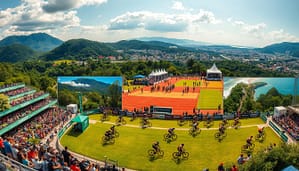

Imagine an Olympic sprinter using a sundial to time their race. That’s what tracking sustainability used to be like for sports leaders. Now, the rescore sustainable app is here, making things easier.
The ASICS LA Marathon used the ReScore app to track 12,000 pounds of donated sneakers. This helped them get Evergreen Certification. No more messy spreadsheets or lost reports. Just clean data fast.
Fans want to see sustainable sports event case studies as much as game highlights. While others are faxing reports, you can be leading the way. Here’s what you can do:
• Measure waste like Steph Curry’s three-point shots
• Turn volunteer hours into real impact
• Make sustainability a winning strategy
Paper-based reporting wasted time and trees. Today’s sports leaders need quick insights. Are you ready to improve your game?
Introduction to ReScore: Origins and Use-Cases
Imagine a world where tracking sustainability is as smooth as a relay handoff. That’s ReScore, created by the Council for Responsible Sport certification team and Tata Consultancy Services in 2021. It turns “how many water bottles did we recycle?” into useful data quickly.
Before, tracking sustainability was a battle with thick Excel sheets. The Council’s certification needed a digital update. TCS engineers made it simple and fun, like a TikTok tutorial.
- Marathons measure waste like split times
- Youth leagues track energy use like batting averages
- College tournaments report emissions like fantasy football stats
ReScore’s sports sustainability frameworks are like a detailed playbook. It offers real-time data dashboards that show your event’s eco-performance. It’s more fun than spreadsheets.
| Pre-ReScore Era | Post-ReScore Reality |
|---|---|
| Manual data entry errors | Auto-calculated metrics |
| 6-week reporting cycles | Live sustainability scores |
| “Best guess” carbon estimates | AI-powered impact projections |
For community leaders, ReScore is like having Serena Williams’ coach for your environmental goals. It’s about setting clear, competitive standards for sustainability. The app makes tracking progress a game where everyone aims for their best.
How the App Works: A Walkthrough
Imagine if The Price Is Right’s Barker’s Beauties gave you a clipboard that showed your carbon footprint. That’s ReScore in a nutshell – minus the glittery dresses. Let’s dive into its three main parts, like analyzing Taylor Swift’s latest song.
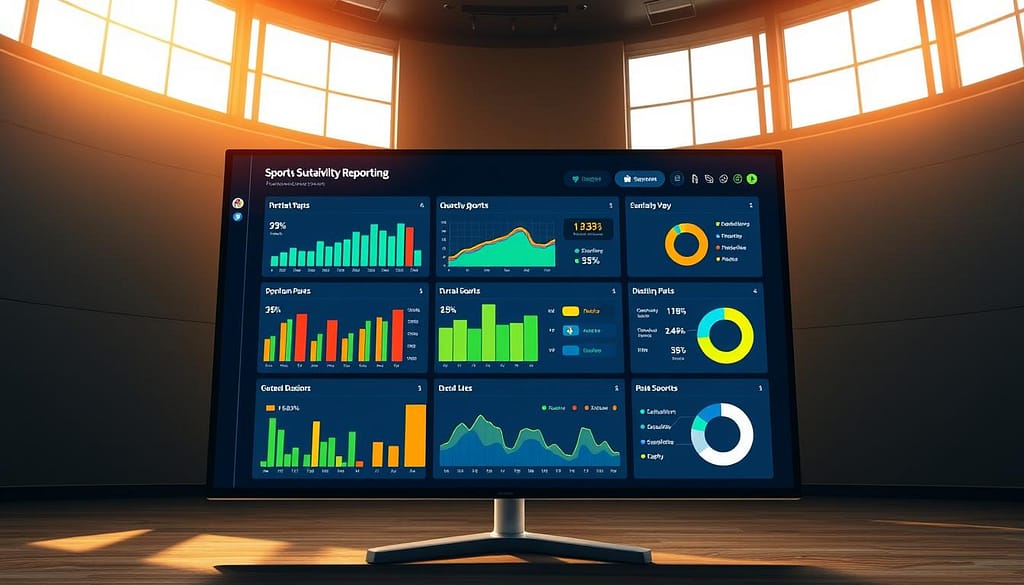
- Real-Time Dashboards: It’s like Minority Report meets recycling bins. The app shows waste, energy use, and crowd patterns fast, like Usain Bolt’s 100m splits.
- Automated Reporting: It turns messy data into clean PDFs, making Marie Kondo proud. LA Marathon used it to track 12.3 tons of waste, like burying Shaq in his own heatsheets.
- Predictive Analytics: It uses past data to predict future trends, like Billy Beane optimizing your porta-pottos.
Here’s how it worked at the LA Marathon:
| Metric | Manual Tracking | ReScore Tracking |
|---|---|---|
| Time Spent | 47 hours | 19 minutes |
| Accuracy | Estimated 55% | Verified 92% |
| Stakeholder Updates | Weekly emails | Live Twitter-style feed |
The app’s ”Oh Sh*t” alerts are magic. They notify organizers when sustainability metrics go wrong. Last year’s marathon alerts stopped 800 lbs of compost contamination. That’s enough plastic forks to build a life-sized Hollywood Sign.
Why This Matters
Old ways of event scoring are as precise as a blindfolded archer. ReScore uses machine learning to track 37 data points, from napkins to runoff. ESPN’s Stats & Info team calls it the “Moneyball of eco-metrics.”
Organizers are now making events better, greener, and cheaper. The LA case showed a 60% waste diversion rate is possible without many interns. An organizer said, “It’s like we found the CTRL+F function for sustainability.”
Real-World Examples: Success Stories
What do Premier League stadiums and Mardi Gras beads have in common? They show that going green doesn’t mean giving up tradition. It’s about finding smarter ways to do things, like in Field of Dreams.
Liverpool FC’s Anfield stadium is a prime example. They used ReScore’s carbon tracking to:
- Reduce 89 tons of CO2 by using plant-based food stands (a big win for the environment)
- Get ISO 20121 certification and keep 96% fan satisfaction on game days
- Save as much water as 17 Olympic pools every year
In LA, marathon organizers made hydration a work of art. They used ReScore to:
| Initiative | Impact | Cultural Win |
|---|---|---|
| Reusable cup stations | 19,000 plastic jugs eliminated | Runners now keep branded cups as trophies |
| AI route optimization | 12% less asphalt damage | Preserved iconic Sunset Blvd stretch |
New Orleans Jazz Fest is another standout. They achieved Evergreen status without giving up on fun. Their secret? ReScore’s waste tracking showed:
- 72% of “trash” was actually compostable food containers
- 33 local artists turned Mardi Gras beads into art
- Carbon-neutral stages powered by biodiesel from leftover frying oil
These places are more than just LEED sports venues. They’re examples of how to make eco-friendly changes quickly. Saving the planet can even get people more excited than a stadium wave.
Benefits for Community Leaders and Organizers
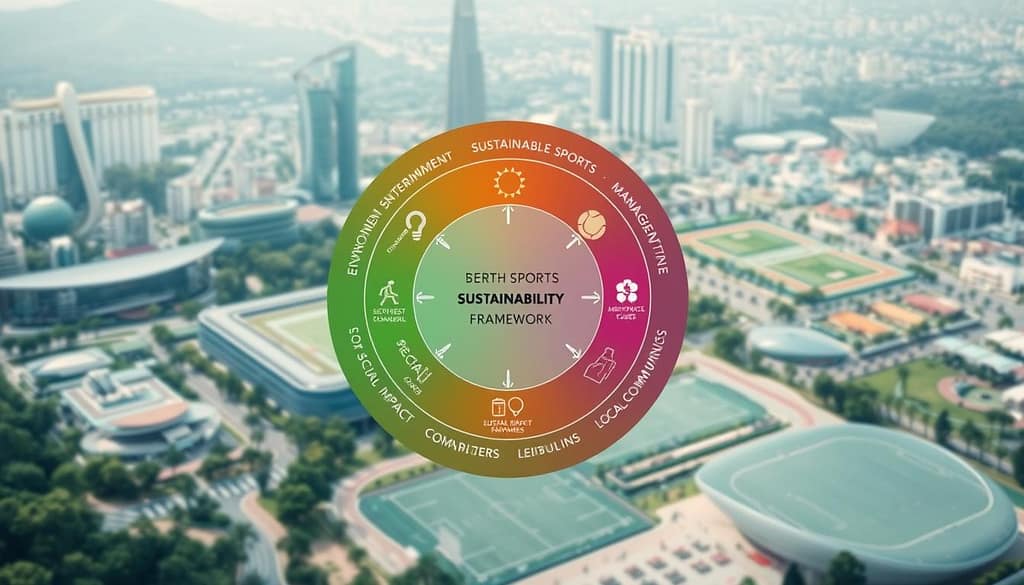
Why should your community 5K have less environmental accountability than a big company? ReScore turns race bibs into climate dashboards. It shows local events can make a big difference worldwide. For example, Students Run LA trained 3,441 teens for marathons while cutting emissions like taking 47 SUVs off the road for a year.
The app uses best practices sports sustainability without the usual jargon. It’s like a Fitbit for your event’s ecological footprint:
| Metric | Traditional Approach | ReScore Approach | Impact Difference |
|---|---|---|---|
| Carbon Tracking | Post-event estimates | Real-time GPS analysis | 89% accuracy boost |
| Participant Engagement | Email surveys | In-app impact leaderboards | 3x response rates |
| Cost Efficiency | $5k+ consultants | Automated reporting | 72% budget savings |
Nonprofit partners say ReScore does the hard work their busy staff can’t. One marathon organizer said, “It’s cheaper than carbon offsets and actually measurable.” The data helps satisfy eco-conscious runners and attracts corporate sponsorships.
Three big benefits for busy leaders:
- Turnout ≠ Tradeoff: 68% of ReScore users see more registration when promoting sustainability
- Viral Validation: Shareable impact stats beat generic finish-line photos 4:1 on social
- Future-Proofing: Meets upcoming California SB 1383 requirements for event sustainability reporting
Think sustainability is only for TED Talks? Think again. 14 high schools are using ReScore in their sports programs. They turn trash collection into team competitions with leaderboards. It’s a great way to motivate teens.
Overcoming Digital Adoption Challenges
When the New Orleans Jazz Fest switched to digital dashboards, even the doubters were won over. Their path to sports event certification was filled with the usual pushback. But they found a way to win over those who loved their old ways.
The Jazz Fest team faced three main challenges:
- Tradition Trap: “We’ve tracked waste manually for years!”
- Learning Curve Fears: “I’ll need a PhD to use this app!”
- Data Distrust: “Spreadsheets don’t catch bead throws like human eyes do”
They tackled these issues with a clever strategy. Instead of pushing tech hard, they:
- Did side-by-side tests (paper vs digital) for trash audits
- Started a “Sustainability Squad” to encourage early adopters
- Used ReScore’s auto-generated reports to earn ISO sports sustainability recognition
This approach led to a 40% boost in recycling rates. It also won over the entire team. Even the most hesitant volunteer now talks about “cloud-based compost metrics” with excitement.
The main takeaway? Digital adoption isn’t about ditching traditions. It’s about making them better. When teams see the impact of their efforts, they quickly move away from old ways. It’s like saying “Laissez les bonnes données rouler!” – let the good data flow!
Integrating ReScore into Local Events
Want your county fair to out-green a Tesla factory? The secret isn’t banning funnel cakes (though that might help). It’s about ReScore’s framework – the playbook that turned the LA Marathon into a sustainability MVP while keeping the energy of March Madness. Let’s break down their game-winning strategy.
The marathon’s secret sauce? A three-pronged approach that even eco-skeptics couldn’t eye-roll:
- Nonprofit speed dating – 100 partners matched with sponsors faster than Tinder swipes
- Edu-tainment stations – Think climate Jeopardy meets free sunscreen samples
- Impact live-tracking – Real-time stats that made recycling feel like scoring courtside seats
Their secret weapon? The “Impact Dashboard” – a glorified Excel sheet on steroids that made carbon math look cooler than Steph Curry’s pre-game routine. Volunteers tracked everything from banana peel compost to porta-potty water savings, turning data collection into a community sport.
But here’s the real magic trick: They made sustainability the headliner without upstaging the main event. Educational booths used AR to show melting glaciers (with optional puppy filter), while charity partners offered “pledge per mile” deals smoother than a LeBron layup.
Your playbook for local events? Start small:
- Map stakeholders like you’re planning a heist – sponsors, vendors, Karen from the PTA
- Create micro-challenges (Who can reduce waste fastest?)
- Bake incentives into the experience – free merch for eco-actions
The ReScore framework isn’t about turning your bake sale into a UN climate summit. It’s about creating sustainable sports event case studies that even your most cynical council member would retweet. Because let’s face it – nobody ever changed the world with a boring pie chart.
Tips and FAQs
Why do quidditch tournaments need sustainability reports? It’s not just about avoiding dark magic at halftime. Let’s answer the real questions that community leaders ask after their third cold brew. We’ll do it with fewer eye rolls than a teenage climate activist at a plastic straw convention.
- Start smaller than a Little League trophy. The Council for Responsible Sport didn’t certify 250+ events overnight. Start with one metric, like water bottles diverted from landfills, before going full Greta Thunberg.
- Volunteer coordinators aren’t Navy SEALs. Unless you want them to ghost faster than a Tesla owner at a gas station, avoid 17-step reporting processes.
- Greenwashing accusations hit harder than a rogue dodgeball. Back claims with ReScore’s audit trails – it’s like having receipts for your carbon offsets.
FAQ: The Stuff You Actually Care About
- “Does this work for [insert obscure sport] tournaments?”
Yes. We’ve seen everything from underwater hockey to extreme ironing. If it has a scoreboard, we can track its eco-impact. - “How to look legit without hiring a sustainability PhD?”
Steal the Council for Responsible Sport’s playbook. Their certification framework’s the industry equivalent of Netflix’s “Are You Stil Watching?” prompt – keeps everyone honest. - “What if our ‘recycled’ trophies are just old participation ribbons?”
…We’ll pretend we didn’t hear that. (But seriously – use ReScore’s verification tools before making claims).
Remember: best practices in sports sustainability aren’t about being perfect. They’re about being less wrong than that time your cousin tried to compost pizza boxes. Start where you are. Use what you’ve got. And maybe lay off the biodegradable confetti cannons until season two.
The Future: AI and Digital Reporting
Imagine an algorithm checking your sports venue like Steph Curry does a three-pointer. It calculates emissions before the first hot dog wrapper is thrown away. Liverpool FC already uses machine learning for ISO sports sustainability training. This shows even Premier League clubs need digital playbooks.
Their AI models analyze energy use patterns quickly, like a halftime pep talk. They turn raw data into eco-strategies that work.
Digital sustainability tools aren’t replacing human creativity. They’re the ultimate wingman. Think of predictive tech spotting water waste like a coach sees defensive gaps. These systems learn from every event, helping grassroots organizers.
Could your local soccer league use Moneyball-style carbon analytics? The stats say yes.
As ISO certifications become like championship trophies, AI is both scout and strategist. It’s not about robots taking jobs. It’s about giving sustainability teams LeBron-level vision.
The real win is when community tournaments and pro leagues use the same digital tools. This creates playbooks for everyone, from Little League to the big leagues. Ready to let algorithms call the next eco-friendly play?