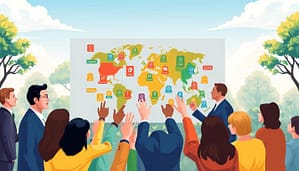
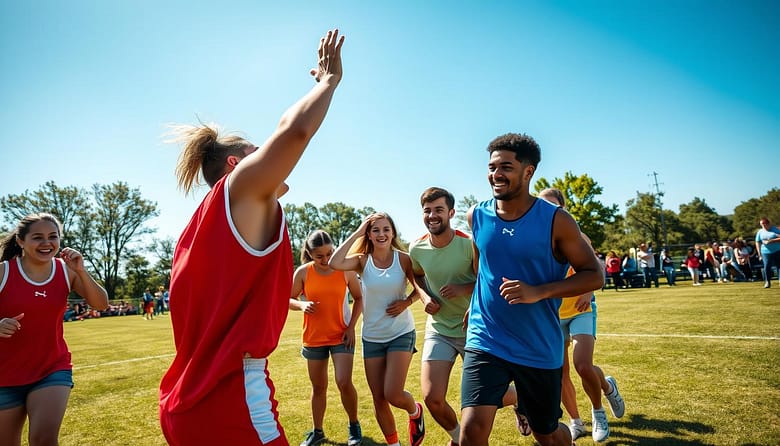
For too long, aid and integration have been one-way talks. Programs are made without the community’s input. This old way doesn’t work anymore. The new approach is co-design.
Forget the distant conference room. Real co-design happens where people meet and work together. It’s not just a formality. It’s believing that those affected by a program should design it. This is key to lasting refugee sport success.
We’re not talking about a simple suggestion box. We’re talking about real power sharing. Look at coaches in Kakuma refugee camp who found and nurtured talent. Look at Hestia FC, where players help make decisions. This is true collaboration, not just pretending.
This isn’t just a nice idea. It’s the main idea. When we talk instead of dictate, we build programs with the community. The outcome? Refugee sport projects that truly belong to the community.
Legal/Logistical Considerations
Co-design is key in inclusive sports programs. Legal and logistical frameworks are vital but often overlooked. They keep the program running smoothly.
You can have a great program, but if you can’t get an athlete to a gym, it’s just theory. Legal hurdles like residency permits and safety regulations are big challenges.
The “unsexy backend” of social inclusion is the legal and logistical side. It includes visa applications and zoning permits. These are the first hurdles, not the athletic ones.
The Bureaucratic Labyrinth: Visas, Visas, Visas
For athletes in refugee camps, the biggest barrier is often their passport. International frameworks for social inclusion face hard national laws. The IMMAF’s policy of a “neutral flag” is a start, but there’s more to do.
Here are the main legal and logistical hurdles, which vary greatly:
| Challenge | Urban/Resettlement Context | Camp/Transit Context (e.g., Kakuma) |
|---|---|---|
| Legal Status | Work/athlete visas, right-to-work permits, eligibility for national teams. | Proof of refugee status, movement permits to leave camp for training. |
| Infrastructure | Access to high-quality, affordable facilities; reliable public transport. | Creating a safe, dedicated space; basic equipment; extreme weather considerations. |
| Safety & Inclusion | Safe, women-only training spaces, childcare for athletes who are parents. | Protection from violence, gender-segregated facilities, trauma-informed spaces. |
From Policy to Pavement: The IMMAF & REWINS Models
The IMMAF’s framework for integrating refugee athletes is groundbreaking. It’s a blueprint for bypassing nationality barriers. It asks: How do we compete when you have no nation-state to represent?
In places like Kakuma refugee camp, the challenges are different. It’s not about visas but basic access and safety. The goal is to create a safe space for everyone to play.
Programs like inclusive sports initiatives face challenges like childcare. If they don’t account for parents, they exclude many. Safe spaces for women are essential, not a luxury.
The Paper Trail to Participation
The real work of building social cohesion through sport starts before the first game. It’s in getting permits and travel documents. It’s in creating safe facilities for everyone.
- Logistics First: A program in Berlin fails if the practice field is far from the community. Transportation is key.
- Policy as a Tool: The IMMAF neutral flag is more than a symbol. It’s a legal tool that challenges traditional sport models.
- Safety as Infrastructure: For women and girls, safe changing rooms and female coaches are essential. They are the foundation for participation.
The goal of these frameworks is to build social cohesion. They aim to transform bureaucracy into a bridge. When an athlete sees a path to international competition, that’s hope built on paperwork and permits.
Mixed Teams and Language Access
When a refugee and a local player high-five after a goal, they’re not just celebrating a point. They’re creating a new way of community.
This is the magic of mixed teams. It’s not just about mixing people together. It’s about creating a space where everyone can learn and grow together. Here, the field is a place for integration.
Forget the Tower of Babel. We’re building a new language of sports. It’s a language of passes, plays, and silent signals.
Take the Kakuma refugee camp’s Unified Sports team. Here, people with and without disabilities play together. They’re not just teammates; they’re a family.
A refugee named “Doctor” leads the team. His leadership changes how his community sees him. The game is more than just points; it’s a social change.
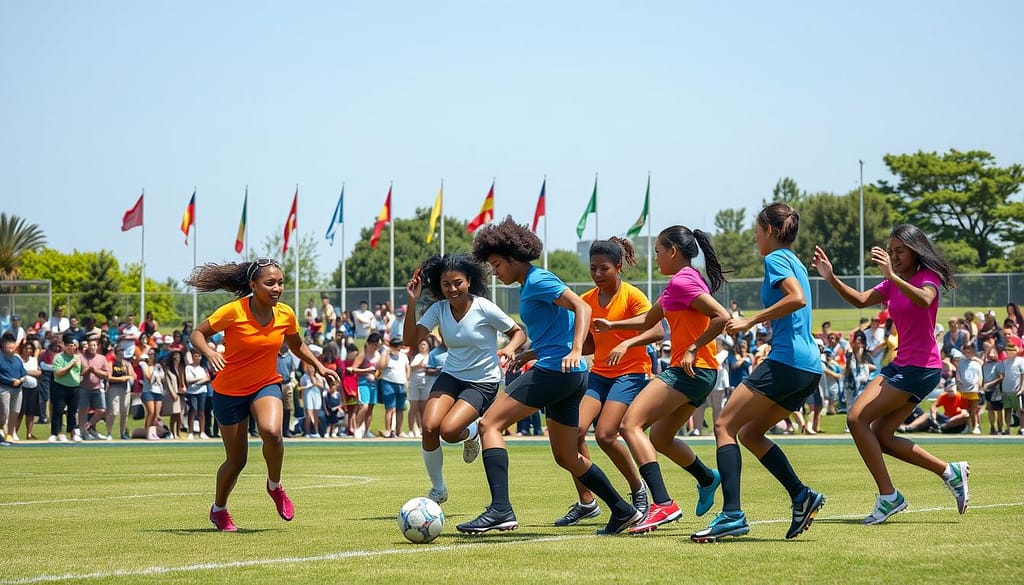
Language access is more than translation. It’s about creating a new language for the team. This is what the REWINS guide calls “strategic social engineering.”
Communication is key. It’s the shared drill, the non-verbal cue, and the collective groan at a missed shot. This is how we build a shared language.
Consider the barriers to recreational access for newcomers. Mixed teams break down these barriers. The field is a place where everyone is equal.
The Kakuma example shows us how it works. It’s not just about getting along. It’s about working together towards a common goal.
This is the heart of integration. It’s not about becoming like everyone else. It’s about creating something new together.
A mixed team is not just a social experiment. It’s a blueprint for diverse communities to come together. They build a common language, one goal at a time.
Trauma-Informed Coaching
Forget the whistle and clipboard; the trauma-informed coach carries a different toolkit. In refugee sport, the focus is on psychology, not just tactics. It’s not about making stars; it’s about using sports as a way to help.
The coach is a mix of strategist, therapist, and community elder. They don’t just draw plays on a whiteboard. They read the room, spot the past in a player’s actions, and know a flinch is a story.
Think of the doctor in Kakuma. He saw a person, not just a disability. This is trauma-informed coaching: seeing the best in people. It’s not just about finding the next Olympian. It’s about helping those who seem to be on the sidelines.
This work is about noticing the kid who flinches at loud noises. It’s not a lack of skill, but a sign of past trauma. The coach’s job is to create a safe space for these stories to be heard.
This work spans a spectrum. On one end, there are structured programs like the IMMAF. It’s a system for finding and developing talent. On the other, there are community programs like the women’s football in Athens. Here, the goal is to build confidence in a safe space.
| Aspect | High-Performance Pathway (e.g., IMMAF) | Community Healing Model (e.g., Kakuma, REWINS) |
|---|---|---|
| Primary Goal | Identify and develop elite athletic talent within the refugee community, creating a clear, fair pathway to competition. | Provide a safe, therapeutic space for psychosocial healing, community building, and rebuilding personal agency. |
| Coach’s Role | Talent scout, technical trainer, performance optimizer. | Therapist-advocate-elder: part mentor, part counselor, part community bridge. |
| Success Metric | Medals, rankings, professional contracts. | Psychosocial well-being, social cohesion, increased confidence, community integration. |
| View of the Athlete | An athlete with a story to inspire. | A whole person with a history, trauma, and more to offer. |
The REWINS women’s football program is a great example. It’s not just a team; it’s a safe space for women. The goal is to help them regain confidence, not just to win games.
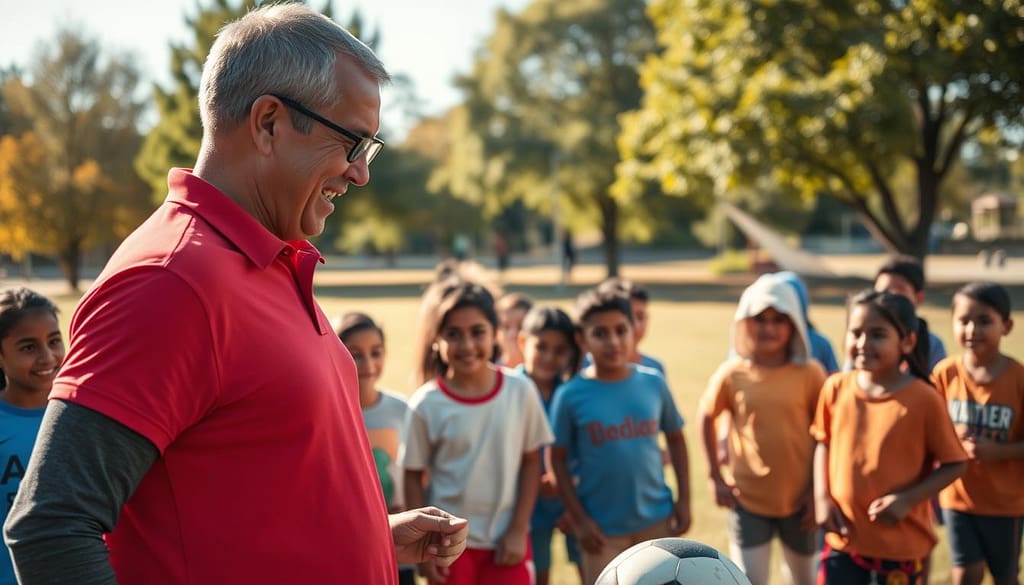
For the coach, timeouts are for emotional regulation, not just tactics. They look for players who disassociate during drills. It’s about creating a safe space, not just teaching skills.
This is the coach as cultural broker. They translate language and help their athletes navigate new societies. They advocate for their athletes and listen to their stories.
In the end, trauma-informed coaching in refugee sport asks a big question. Are we building better athletes or more whole people? The best programs understand it’s not a choice. They build trust, confidence, and community, one small victory at a time.
Employment and Education Pathways
Let’s be honest: winning a gold medal doesn’t pay the bills. After the cheers fade, reality hits. So, what’s next? The most impactful social cohesion programs focus on more than just sports. They ask: How can a refugee athlete or coach turn their sports chance into a real job?
This shift changes the game. We focus on long-term growth, not just short-term fun. The aim is to use sports skills for real employment pathways and education pathways. The game’s end is just the start of a career.
There are many ways to tackle this challenge. The International Mixed Martial Arts Federation (IMMAF) offers a global competitive structure. It’s a formal system for elite athletes. On the other hand, programs like the REWINS project and the Kakuma refugee camp work differently. They use football to teach life skills, language, and job training.
Take a doctor in a refugee camp. His medical degree was useless there. But leading youth football helped him become a peer leader and mentor. The pitch was his classroom for learning important skills.
The best programs do more than just play sports. They mix sports with education and job training. The REWINS model is a great example. It combines football drills with English lessons and CV writing workshops. This mix helps people move beyond needing aid.
The table below shows two main models for these pathways:
| Model | Primary Focus | Pathway Created | Key Strength | Ideal For |
|---|---|---|---|---|
| Formal Sports Pathway (e.g., IMMAF) | Elite athletic competition, global ranking, professional contracts. | Professional Athlete, Coach, Referee | Clear, high-prestige path for the exceptionally gifted. | The 1% of athletically gifted individuals with access to global structures. |
| Community Leadership Model (e.g., REWINS, Kakuma) | Life skills, language, job training, and leadership through sport. | Community Coach, Youth Leader, Project Coordinator, Language Tutor | Builds wide, foundational social cohesion and transferable skills for the majority. | The 99% who benefit from leadership, language, and job skills. |
The real victory isn’t just winning. It’s about building a resume. It’s about gaining confidence, learning new skills, and becoming a leader. When sports and education mix, it opens doors to a better life.
The ultimate goal is sustainable integration. It’s about being part of a community, not just living there. Sports are not just games; they’re training grounds for future leaders and entrepreneurs. The game of building a life has just begun.
Monitoring Social Cohesion Outcomes
How do you measure a feeling? The final challenge in any social program is proving it works. We’ve moved past just counting numbers. Did ten football matches happen? That’s a good start.
The real score is in the quiet moments. Like when a host player invites a refugee teammate for tea. Or when a team huddles in silence, needing no words. That’s the social capital that spreadsheets can’t capture.
Forget about participation trophies. True integration is in the unmeasurable moments. Like when a shy teenager leads the warm-up after a year of mixed teams. That’s a shift in perception, a new leader emerging.
On a bigger scale, it’s the global platform IMMAF provides. It turns athletes into symbols of resilience. The REWINS framework helps us see this, from “we held 50 training sessions” to “we saw a 40% increase in cross-cultural ties.”
We must measure the integration that happens off the field. Does confidence from scoring a goal lead to learning a new language? Do mixed teams socialize outside of sports? This is the data we need.
Resources like the sportanddev.org toolkit help track these subtle changes. We started with co-design; now we demand to see results. Did our program build bridges or just keep score? The final measure is in the community’s strength we’ve helped create.