Every time we upgrade our phones or laptops, we make a choice. Will it end up as trash or be recycled?
The problem is huge. The United Nations says 137 billion pounds of electronic waste was made in 2022. But only 22% was recycled.
In the U.S., the Environmental Protection Agency says less than a quarter of old electronics are recycled. This isn’t just junk. It’s filled with harmful stuff like lead and mercury that can pollute our environment.
These items also have valuable metals that are hard to find and expensive to mine. Recycling them is key for our planet and for getting these materials back.
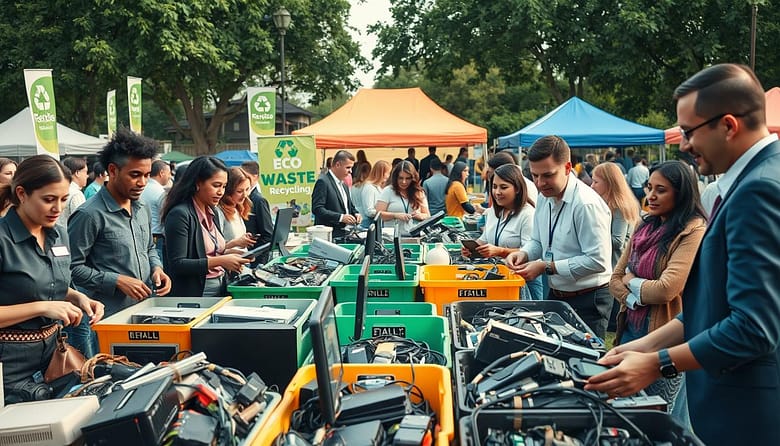
Community events, like fairs and sports tournaments, can help. By having a kit drive for sports gear and an e-waste collection, we can make a big difference. It turns a single event into a big win for the environment and our community.
This change helps us move forward toward better environmental and community goals.
Partnering with Certified Recyclers
Without a certified recycler, your e-waste collection event could do more harm than good. The first step is to find a processor with R2 or e-Stewards certification. These certifications mean your event is truly green.
Experts say that only manufacturers and certified recyclers know how to handle products right. They can process them safely and efficiently. Modern electronics are full of valuable materials like steel and gold.
Getting these materials out is hard work. Certified recyclers are key to the circular economy. They make sure devices are broken down safely.
This way, more materials are recovered and less pollution is made. Metals and plastics are cleaned and sorted. They then become raw materials again, reducing the need for new resources.
Choosing the wrong handler can harm the environment. Uncertified places might not follow safety rules. This can lead to pollution and health risks.
It’s also important for data security. The right partner keeps your event’s reputation safe. A certified partner ensures your event is green and responsible.
The choice of recycler is key. It makes sure your event is good for the planet. In the U.S., R2 and e-Stewards are the top standards. Knowing what they focus on helps you pick the best partner.
| Certification Standard | Primary Focus | Key Requirements | Ideal For |
|---|---|---|---|
| R2 Standard | Process quality, reuse, and material recovery | Safe handling, focus on refurbishment, tracking materials downstream | Drives collecting a mix of working and broken electronics |
| e-Stewards Standard | Environmental justice and toxic waste prevention | No export of hazardous e-waste to developing countries, strict landfill bans | Events prioritizing the highest ethical and environmental benchmarks |
Both certifications mean strict audits and constant improvement. They keep harmful substances in check. They also make sure materials are sold to good buyers. Working with a certified recycler makes your collection a big step towards a greener future.
When planning your e-waste drive, think about the end goal. The right recycler is that goal. This partnership makes sure recycling is done right, giving old tech a new life.
Secure Data Wipes and Logistics
A successful community kit drive relies on two key areas: secure data handling and smooth logistics. People worry about their personal info on old devices. Clear, reliable steps to erase data build trust and increase donations.
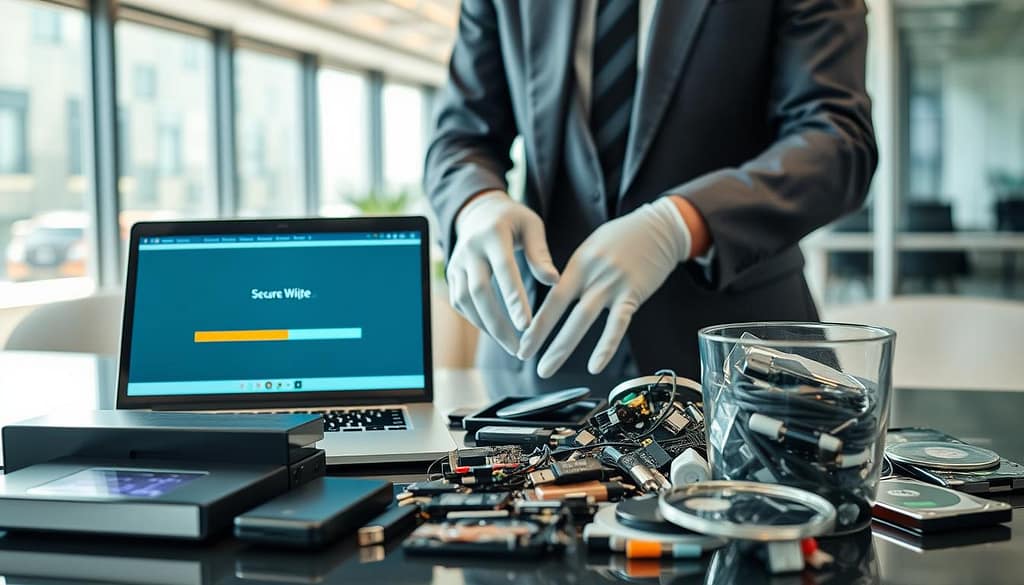
Just deleting files or a simple reset isn’t enough. The Cybersecurity and Infrastructure Security Agency (CISA) suggests a full factory reset. This resets the device to its original state, erasing all user data. The steps differ for Android, iPhone, and Windows devices.
Here’s a simple guide before donating:
- Backup Important Data: Save photos, contacts, and documents to the cloud or an external drive.
- Sign Out of Accounts: Log out of all email, social media, and app store accounts manually.
- Perform Factory Reset: Go to the device’s settings menu (e.g., “General Management” on Android, “Reset” on iPhone). Choose “Erase All Content and Settings.”
- Remove SIM/Memory Cards: Take out any SIM or external storage cards.
For complete security, use certified recyclers for computers with hard drives. They shred storage media and give a destruction certificate. This is essential for a professional kit drive.
Good logistics make secure wipes effective. Start with easy drop-off spots. Don’t use curbside bins for electronics. Instead, have specific collection points at your event, community center, or sponsor sites.
Next, ensure safe transport. Work with your recycler for pickup with tracked vehicles. Check and transport all items directly to the certified facility. This keeps everything safe and on track.
This whole process shows the circular economy in action. It safely recycles materials like metals, plastics, and glass. Your event doesn’t just collect old items; it starts a responsible cycle that saves resources and cuts down on waste.
Collection Day Operations
On collection day, your goal is to turn community goodwill into a mountain of sorted e-waste and sports gear. You need a professional setup that makes donating easy. Your event is the peak of your planning.
Start by designing a clear traffic flow. For a drive-through station, use cones and signs to create a dedicated lane. Volunteers should greet donors, quickly assess items, and direct them to the right sorting area. For walk-up events, set up distinct tables or labeled bins for electronics, sports equipment, and other categories.
Staff these stations with knowledgeable volunteers. Brief them on what items are accepted. They should be able to answer common questions, like whether old monitors or cracked helmets can be taken. This expertise builds trust and speeds up the process.
Sorting is critical for your downstream partners. Have separate, sturdy containers for small electronics, laptops, cables, and various sports gear. Pre-sorting on-site saves hours of labor later and ensures materials go directly to the right processor or reuse program.
Be transparent about any fees. While many items are free to recycle, some like old TVs or monitors may incur a small processing fee. Post a clear list of these items and fees at the station. Better yet, direct donors with these items to a partner like Best Buy, which offers haul-away services for a fee, or a local government drop-off location.
Not everyone can attend your event. Promote convenient alternatives to maximize your kit drive impact. Share that retailers such as Best Buy and Staples accept devices year-round. Encourage people to use services like Recycle Nation to find local recyclers by zip code. For those who prefer not to leave home, highlight mail-in options from Amazon and Waste Management.
To help donors choose the best method, provide a clear comparison of their options.
| Collection Method | Best For | Key Consideration | Example/Partner |
|---|---|---|---|
| On-Site Community Drive | Bulk donations, community engagement, mixed e-waste & gear | Requires volunteer staffing and space; check for local fee policies on certain items. | Your organized kit drive event. |
| Retailer Drop-Off | Convenience, year-round availability, specific electronics | Check store limits and accepted items list before going. | Best Buy, Staples |
| Local Government Site | Large or problematic items (e.g., TVs), responsible disposal | Often free for residents; may have specific days/hours. | County hazardous waste facility |
| Mail-In Recycling Kit | Small quantities, high convenience, no travel needed | May have a cost for the shipping kit or label. | Amazon Trade-In, Waste Management mail-back |
By mastering these operations, you create a seamless donor experience. A smooth process encourages larger donations and turns a one-time participant into a lifelong advocate for responsible e-waste and gear recycling. The efficiency of your collection day directly fuels the environmental and social impact of your entire program.
Donating/Reusing Sports Gear
The reuse phase of your event’s waste hierarchy turns gently used sports gear into valuable resources for schools and charities. This step is critical for a true circular economy, where products are kept in use for as long as possible.
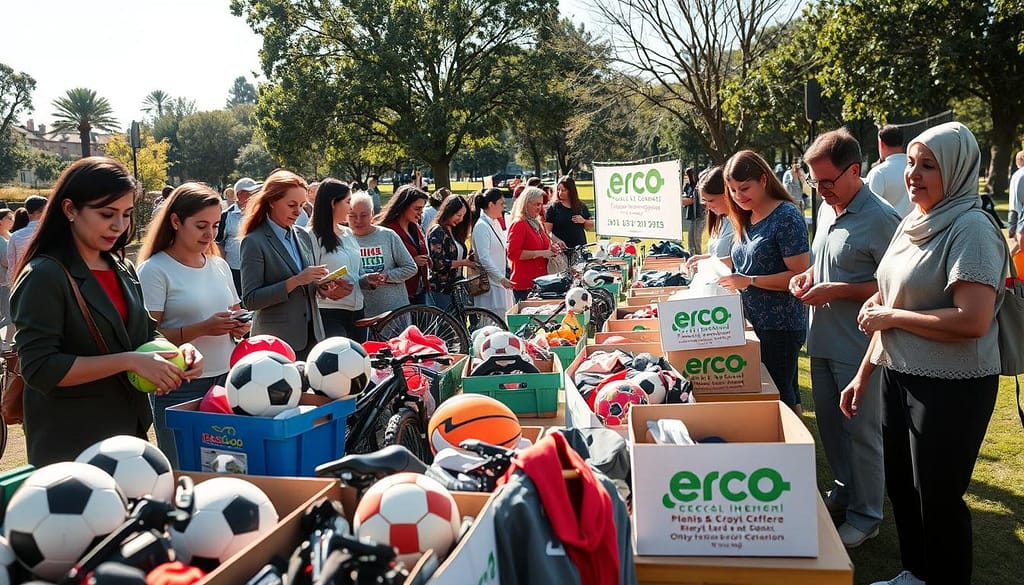
Effective triaging separates items that are newer and functional from those at end-of-life. Volunteers should inspect all collected equipment. Look for intact helmets, clean apparel, and electronics that power on. This working gear is your donation stream.
Establishing partnerships with local organizations is key. National charities like the Salvation Army and Goodwill Industries have robust donation programs. They often accept sports equipment and working electronics. Always contact them first to confirm what items they can take. This prevents them from being inundated with unusable donations.
Local schools, community sports leagues, and youth clubs are ideal partners. They directly benefit from donated gear. Your kit drive becomes a source of support for underfunded teams. This creates a powerful social benefit narrative for your event.
Follow these steps to set up a successful donation pipeline:
- Identify and pre-qualify recipient organizations before your event.
- Create clear guidelines for volunteers on what constitutes “gently used.”
- Designate a separate collection area for donation-bound items on-site.
- Arrange prompt pickup or delivery with your charity partners.
Extending the lifespan of sports equipment reduces waste and manufacturing demand. It also builds community goodwill. A kit drive focused on reuse shows tangible local impact beyond environmental metrics.
This approach reinforces the core tenet of a circular economy. It transforms your event from a simple collection point into a hub for community resource sharing. Every donated item tells a story of continued use and support.
Impact Metrics and Sponsor Recognition
The success of a circular economy effort is not just about who shows up. It’s about the real results it brings. Hard numbers turn a good idea into a clear success story. This proof is key for two big reasons: it shows the effort paid off and it helps highlight partners’ contributions.
The United Nations says we threw away 62 million metric tons of e-waste in 2022. Your recycling efforts are a big step against this problem. Every gadget you recycle helps get valuable materials like gold and copper back into use.
This action cuts down on the need for harmful mining. It also makes future tech cheaper. Most importantly, it keeps toxic metals out of our soil and water.
| Metric | Quantity | Primary Environmental Benefit |
|---|---|---|
| E-Waste Diverted | Total Weight (lbs/kg) | Prevents landfill toxicity, recovers critical metals |
| Devices Collected | Total Number | Extends product lifecycle, reduces raw material demand |
| Sports Gear Donated | Pounds / Number of Items | Promotes reuse, reduces manufacturing carbon footprint |
| Carbon Savings | Calculated Metric Tons CO2e | Contributes to climate change mitigation |
To figure out carbon savings and metals recovered, work with your recycler. They can give you the right numbers. For example, recycling a million phones can get you 35,000 pounds of copper and 75 pounds of gold.
This detail makes your collection numbers tell a story of saving resources.
Next, it’s time to thank your sponsors. Don’t just list their names. Create a report that shows how their support made a difference. Show them how much e-waste they helped avoid. Highlight the people who got sports gear.
This shows the real value of their investment. It builds trust and goodwill. Companies want to be part of zero-waste sports events because they see real results.
Sharing this data strengthens your partnerships. It shows you’re serious about a circular economy. When partners see the impact, they’re more likely to stay and even give more.
Good reporting does more than show past success. It sets the stage for bigger, better projects. It turns one day of collecting into a lasting effort for the planet.
Annual Calendar Planning
A single successful collection is a start. The real goal is to create a lasting solution. Moving from a one-off event to an annual program is key to fight the growing e-waste problem.
Look at your first drive’s data. Use it to improve timing, location, and promotion for the next one. Connect your kit drive to important community events. Earth Day, back-to-school, or post-holiday periods are great. This builds a routine and public interest.
Statistics show over 31 pounds of electronic waste per person in the Americas each year. The global recycling rate is about 30%. To tackle this, we need ongoing efforts. Programs from retailers, manufacturers, and local governments are essential. The growth of community e-waste recycling events shows people are committed.
Annual planning turns a successful drive into a lasting community tradition. It helps us keep moving toward sustainability goals and proper disposal for everyone.