

NWSL fixture congestion in 2026 is not just a complaint about a busy calendar. It is the measurable result of expansion, a longer regular season, a midyear pause, venue constraints tied to the FIFA Men#8217;s World Cup, and collectively bargained limits on rest. As a standards-focused observer, I see the 2026 season as a useful test case: the league has more inventory to schedule, while teams still need a workable rhythm for training, travel, recovery, and player availability.
The 2026 NWSL regular season has been underway since March 13, 2026, and is scheduled to run through the final regular season matches on October 30-November 1, 2026. The league announced a 27-week footprint and a June pause in regular season play, with venue availability affected in cities connected to the men#8217;s World Cup NWSL schedule footprint. That structure gives the calendar a clear frame, but it also concentrates competitive pressure on the weeks before and after the pause.
How NWSL fixture congestion Tests 2026 Standards
The first standard is the basic match count. Each team has 30 regular season matches in 2026, split as 15 home and 15 away, after the league expanded to 16 teams with Boston Legacy FC and Denver Summit FC. That is up from 26 matches in 2025. The schedule guide also lists the postseason windows, including quarterfinals on November 6-8, semifinals on November 13-15, and the Championship on Saturday, November 21, 2026 2026 NWSL schedule guide.
Why NWSL fixture congestion Is A Standards Question
Section 27.6 of the 2022-2026 collective bargaining agreement sets a scheduling boundary: no team may be scheduled for more than two games in any seven-day period unless the matches are at least 48 hours apart. That rule does not remove heavy weeks, but it gives schedulers a defined guardrail. In a season with 30 matches over 27 weeks and a month-long regular season pause, standards like that become part of the competitive structure rather than an administrative footnote.
The practical effect of NWSL fixture congestion is that rest windows, not just match totals, deserve scrutiny. A club may play the same number of games as another club and still face a tougher recovery pattern because of travel, altered home venues, or the timing of international absences. Without a full match-by-match rest audit in the provided data, the cautious reading is that the 2026 framework raises the probability of compressed periods, especially after the June stoppage.
Expansion Changed The Weekly Math
Expansion is the clearest driver of the heavier schedule. Moving to 16 teams allowed a 30-match regular season, which increased the number of competitive dates each club had to absorb. A four-match increase from the 2025 regular season is not minor in soccer operations. It can affect rotation plans, training intensity, recovery sessions, and the use of squad players across long travel weeks.
More Matches Without A Fully Open Calendar
The 27-week footprint does not mean every week is equally usable. The regular season paused from June 1 to June 28, 2026. That break covered a CBA-mandated break from June 8-14 and the first stages of the FIFA Men#8217;s World Cup, hosted across the United States, Mexico, and Canada. In calendar terms, the pause protected a defined period. In schedule-density terms, it pushed more of the 30-match season into the remaining weeks.
For coaches, NWSL fixture congestion turns roster construction into a practical welfare issue. The provided research indicates that the increased number of matches tightens the periods before and after the pause, with added concern for clubs exposed to international call-ups. That does not prove every team faced the same strain. It does show why depth, positional flexibility, and controlled minutes became more than tactical preferences in 2026.
The June Pause Created A Different Load Pattern
The June pause was not simply empty space. The Challenge Cup was held on June 26, 2026, during the break in regular season play. The match was staged at ScottsMiracle-Gro Field in Columbus, Ohio, as a neutral-site event between the 2025 NWSL Champion and Shield winner. That timing differed from previous super cup placement before the regular season kickoff, according to the schedule information provided in the research.
A Break For Most, A Match Date For Two
For most clubs, the June pause offered a reset from regular season competition. For the Challenge Cup participants, it inserted a competitive match into a period otherwise defined by interruption. The effect depends on the teams involved, their travel, and player availability, none of which should be overstated without club-specific evidence. Still, from a standards view, any competitive match inside a leaguewide pause deserves clear accounting because it can create unequal rhythm across the table.
The men#8217;s World Cup also shaped the NWSL calendar indirectly. Stadium availability was a stated issue for teams in host-city markets, with some home matches shifted or assigned to alternate venues. That matters because home designation is not only about crowd support. It can affect routine, travel burden, facility access, and recovery planning. The related coverage from Dashers Hockey highlights the importance of venue standards across sports, offering a useful perspective on how displacement affects team logistics and preparation.
Venue Displacement And Competitive Balance
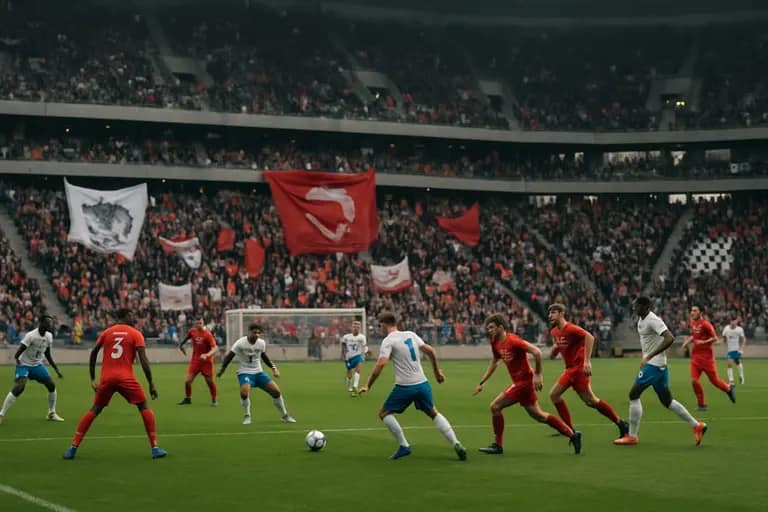
Venue displacement is one of the more practical stress points in the 2026 NWSL schedule. A match listed as home does not always carry the same operational profile if it is moved away from a regular stadium. The league#8217;s schedule footprint acknowledged venue challenges linked to the men#8217;s World Cup, and that is the type of issue that can sit below the headline fixture list while still affecting teams.
What Alternate Venues Can Change
Alternate venues can change travel time, training access, locker room familiarity, and the cadence around matchday. The research does not provide a complete list of shifted matches, so it would be unsafe to rank affected clubs here. The more reliable point is structural: a 30-match season with a midyear pause leaves less room to absorb stadium conflicts without creating uneven weekly patterns.
For league offices, this is where standards should be visible. Transparent rules on rest minimums, venue approval, field conditions, and travel sequencing help clubs plan and give players a clearer baseline. For readers tracking the commercial side of the league, Back2Tap#8217;s coverage of NWSL business growth connects the larger expansion story to the operational demands that come with a bigger competition.
Playoff Timing And Player Welfare
The postseason adds another layer. After the regular season ends on October 30-November 1, 2026, eight playoff matches are scheduled across three rounds: quarterfinals on November 6-8, semifinals on November 13-15, and the Championship on November 21. That sequence is compact but clear. The welfare question is whether teams entering the postseason after a demanding regular season have enough recovery time to maintain performance quality.
Clear Dates, Tight Turnarounds
The gap between the final regular season weekend and quarterfinals is short. The gap from semifinals to the Championship is also narrow. This is not unusual in playoff sport, but the 2026 context matters because the regular season already included expansion, a long pause, venue displacement, and possible international availability pressures. The postseason schedule is not evidence of poor planning by itself. It is evidence that the regular season workload must be assessed with the full calendar in view.
- Each club has 30 regular season matches in 2026, split evenly between home and away.
- The regular season runs from March 13, 2026, to October 30-November 1, 2026.
- The June 1-28 pause interrupted regular season play and concentrated matches elsewhere.
- The CBA limits teams to no more than two games in seven days unless games are at least 48 hours apart.
- The playoffs are scheduled from November 6 through the Championship on November 21, 2026.
NWSL fixture congestion In 2026
NWSL fixture congestion in 2026 is best understood as a standards challenge, not only a schedule complaint. The league added matches through expansion, protected a June pause, managed World Cup-related venue pressure, and kept playoff dates inside a compact November window. Those choices are explainable. They also place a premium on rest rules, roster depth, venue planning, and transparent scheduling criteria.
The evidence available as of August 22, 2026 supports a cautious conclusion: the calendar did not become congested because of one decision. It became tighter through the interaction of several verifiable choices. For the NWSL, the next layer of analysis should be match-by-match rest intervals, travel distances, alternate venue usage, and player availability around international windows. That is the type of audit that turns concern into measurable policy and keeps the sport-first standard centered on performance and player welfare.