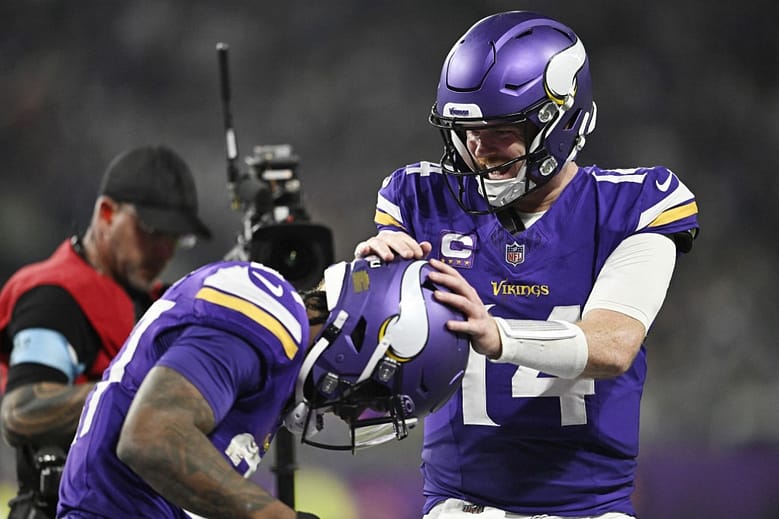
Minnesota’s 2026 preseason is already showing why August football should be judged differently from the regular season. The Vikings have split their first two exhibition games, beating the New York Giants 13-10 on August 15 before losing 13-3 to the Baltimore Ravens on August 22. Fans interested in the broader football market may also look at where they can bet on football from Minnesota, but the stronger sports story in late August is happening deeper on the roster, where snaps, special-teams assignments and position flexibility can determine who stays with the team.
Minnesota now has one preseason game remaining, an August 28 road matchup against the Denver Broncos at Empower Field at Mile High. The Vikings then move toward their September 13 regular-season opener against the Green Bay Packers at U.S. Bank Stadium. That short turnaround makes the final preseason week less about building a winning exhibition record and more about identifying players who can fill specific jobs when the games begin to count.
Training Camp Created More Evaluation Opportunities Than Three Games Alone
The Vikings’ preseason evaluation began well before the first kickoff.
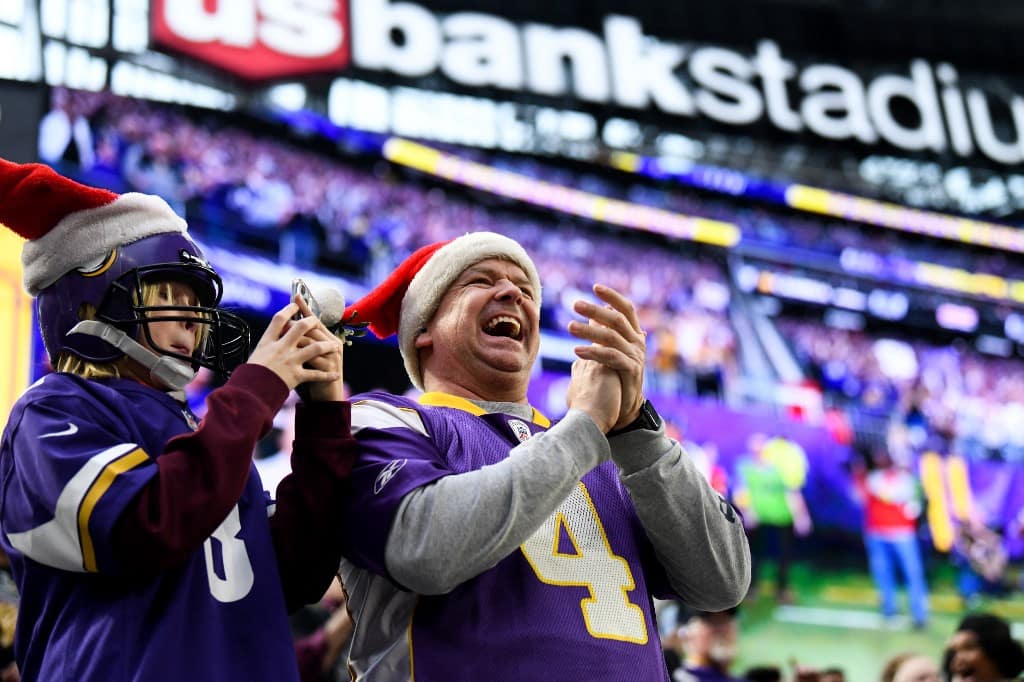
Minnesota held a structured training-camp schedule at Twin Cities Orthopedics Performance Center in Eagan, including practices throughout early August and a night session at TCO Stadium on August 9. The team then held joint practices with the Baltimore Ravens on August 19 and 20 before the teams met at U.S. Bank Stadium.
Those joint sessions matter because coaches can create specific competitive situations without relying entirely on the structure of a preseason game. Red-zone periods, third downs, pass protection, two-minute work and individual matchups can be repeated until the coaching staff gets enough useful film.
For players competing near the bottom of the depth chart, every environment creates a different test.
A receiver can show whether he understands route adjustments during practice, then demonstrate blocking and special-teams value during a game. An offensive lineman can be evaluated against different defensive fronts. Defensive backs can receive repeated coverage opportunities instead of waiting for the opponent to target them.
The Vikings’ official training camp schedule illustrates how closely those practices were packed around the preseason calendar. That workload gives coaches more evidence than the final scores alone can provide.
The Final Preseason Game Is About Defining Roles
Minnesota’s trip to Denver on August 28 carries a different purpose from a regular-season road game.
The coaching staff already has weeks of practice film, two preseason games and joint-practice work. The final exhibition provides another chance to determine which players can handle defined responsibilities rather than simply identify the most athletic performers.
That distinction is important across the roster.
A backup offensive lineman who can play multiple positions may be more useful than a specialist limited to one spot. A reserve defensive back who contributes on several special-teams units can strengthen his case. A receiver who catches fewer passes but blocks reliably and handles coverage responsibilities can still provide game-day value.
The Vikings’ current roster includes established veterans alongside rookies and younger players still trying to secure long-term roles. Minnesota’s rookie minicamp in May included its 2026 draft class, undrafted rookies, first-year players and several veterans competing for opportunities, showing how early that evaluation process began.
By late August, the question has changed. Coaches are no longer simply identifying talent. They are deciding how individual skill sets fit into a limited regular-season roster.
Special Teams Can Carry More Weight Than Offensive Statistics
Preseason box scores naturally pull attention toward quarterbacks, rushing totals and receiving yards. Those numbers do not always identify the players making the strongest roster cases.
Special teams can separate players competing for reserve positions.
An NFL club needs backup receivers, linebackers, running backs and defensive backs who can contribute outside their primary offensive or defensive roles. Coverage units, return teams and blocking assignments provide additional ways for reserve players to justify a game-day place.
That is why one impressive offensive play may matter less than several dependable snaps across different assignments.
A fourth receiver who contributes on kick coverage offers the coaching staff more flexibility. A reserve linebacker who tackles consistently in space can create value without starting on defense. A defensive back capable of working at several positions gives coaches additional options when active rosters are limited.
For recreational athletes and younger football players watching preseason games, this is one of the most useful lessons from professional football. Advancement is often connected to functional versatility rather than highlight production.
The player who can execute three jobs reliably may have a stronger roster argument than the player who produces one memorable moment.
Minnesota’s Week 1 Matchup Raises The Standard Quickly
The shift from preseason evaluation to regular-season preparation will happen quickly for Minnesota.
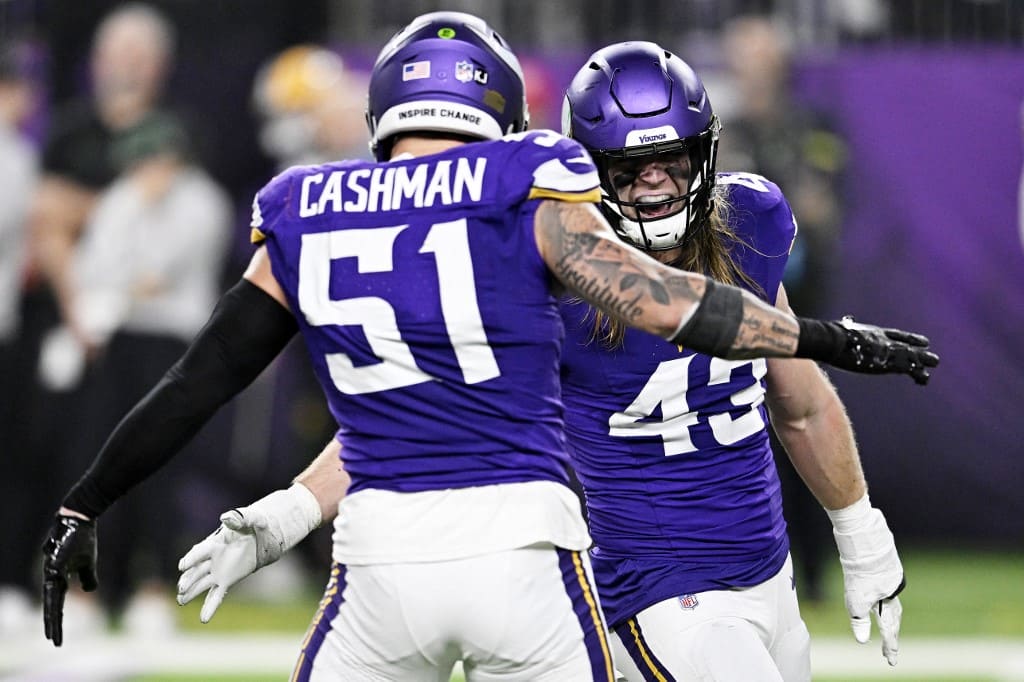
The Vikings open the season against Green Bay on September 13 at U.S. Bank Stadium before traveling to Chicago in Week 2 and Tampa Bay in Week 3. The official Vikings schedule shows how little time exists between the final preseason game and the opening stretch of NFC competition.
That changes what coaches need from the final roster.
Regular-season depth cannot exist only on paper. Backup players must know assignments well enough to enter a game without forcing the team to dramatically simplify its scheme. Special-teams contributors must execute immediately. Reserve linemen and defensive backs may need to cover multiple positions during a single afternoon.
Preseason therefore becomes a test of dependability as much as physical ability.
Fans watching Minnesota in Denver should pay attention to who enters the game together, which players appear across multiple units and which younger players receive larger responsibilities than they did earlier in August.
Those details can reveal more about roster direction than whether Minnesota wins its second preseason game.
What The Denver Finale Can Reveal Before September
The Vikings do not need an impressive preseason record to learn something useful before facing Green Bay.
They need clarity.
The August 28 game offers one final controlled environment for evaluating roster depth, special-teams usefulness, positional flexibility and execution under game conditions. Players fighting for jobs have another opportunity to show they can handle assignments without creating problems elsewhere on the roster.
For fans, that makes the final exhibition more interesting when viewed through roles rather than points.
Watch which young players receive extended snaps. Track reserve linemen who move between positions. Notice defensive players working on multiple special-teams units. Pay attention to who is trusted in situational football late in the game.
The scoreboard will disappear from relevance quickly once September arrives. The roster decisions influenced by those August snaps could affect Minnesota for much longer.