The Allegiant Stadium upgrade moved from proposal to approved public funding on September 2, 2026, when the Las Vegas Stadium Authority unanimously approved $75 million from the Waterfall Residual Fund toward a projected $158 million North Entry project, with the Raiders financing the remaining $83 million according to the Raiders. For a venue that has become one of the busiest football and event sites in the United States, the vote was not just a construction decision. It was a test of how public stadium assets should serve fans, workers, teams, and host cities after opening day.
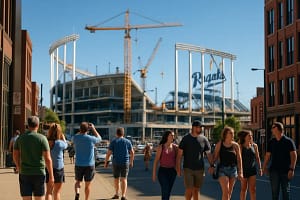
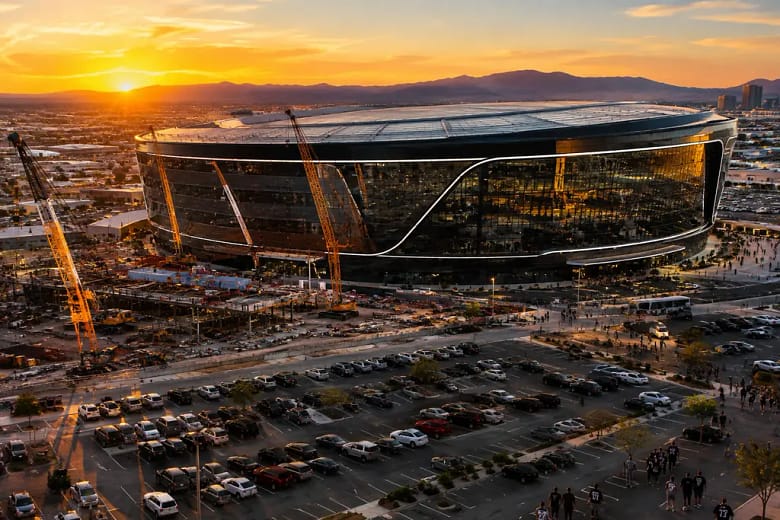
The sports-first case begins at the gate. Allegiant Stadium seats about 65,000 spectators and opened in 2020 at a cost of roughly $2 billion, while the North Entry has been identified as a major pressure point because many guests walk from the Las Vegas Strip across the Hacienda Bridge before events as reported by NFL.com. A stadium can have premium seating, high-end clubs, and strong event demand, but if the main walking route strains under crowd volume, the fan experience starts before anyone reaches a concourse.
Why The Allegiant Stadium Upgrade Matters
The central question is whether a targeted entrance project can improve daily stadium function without being judged only by its price tag. The approved work focuses on the North Entry rather than a full-stadium rebuild, and that matters. A venue that opened in 2020 is not old by stadium standards. The issue is not age. It is the pattern of how fans arrive, wait, queue, and leave after Raiders games, concerts, and major neutral-site events.
Allegiant Stadium Upgrade And North Gate Flow
The Allegiant Stadium upgrade is designed around three connected pieces: an elevated pedestrian deck from the West Hacienda Avenue overpass to the North Gate, under-deck improvements that include a dedicated vehicle and rideshare drop-off and pick-up zone, and a large entry canopy intended to shade guests and support outdoor event activity. Each piece addresses a different part of crowd movement. The deck targets the walking path. The under-deck zone separates vehicle movements from pedestrians. The canopy addresses waiting conditions in a desert climate.
From an athlete-rights and fan-rights perspective, access is not a secondary amenity. Safe, clear, and less stressful movement affects families, older fans, disabled guests, stadium workers, team staff, and event personnel. The research does not provide a new capacity figure for the planned entrance, so any claim about exact wait-time reductions would be unsupported. The verified point is narrower but still meaningful: the project is aimed at one of the stadium’s recognized crowd-pressure areas.
Why Entry Design Is A Competitive Issue
Venue design now affects how cities compete for major sports events. Allegiant Stadium is scheduled to host the Super Bowl in early 2029, and construction is scheduled to begin in the third quarter of 2027 with completion expected by the end of calendar year 2028. That timeline gives the project a clear operational deadline. It also raises a fairness question for fans: if public money supports access infrastructure, the benefits should be visible beyond one showcase event.
Football buildings increasingly serve many calendars at once. The Raiders need a reliable NFL home field. Las Vegas uses the stadium as a tourism and event asset. Fans need entry routes that work on crowded dates. Workers need predictable circulation zones. For cross-sport readers exploring the implications of venue design on game operations, the articles found on NBA Playbook provide insight into basketball venues and league context.
Funding, Ownership, And Maintenance
The public portion is $75 million, drawn from the Waterfall Residual Fund. The research identifies that fund as tied to the stadium financing structure created under Senate Bill 1 in 2016, using surplus room tax revenue previously assigned to stadium bonds and capital improvements. The key policy point is that the mechanism avoids a newly identified tax increase, but it still directs public revenue toward a privately operated NFL venue asset.
Public Dollars Need Public Standards
Public stadium spending should be judged by clear standards: access, safety, transparency, maintenance responsibility, and evidence after completion. The stadium authority retains ownership of the enhancements, while the Raiders are responsible for ongoing maintenance under the research notes. That split is central. Public ownership can protect the asset, but maintenance obligations determine whether the asset stays useful through daily wear, event surges, and weather exposure.
For the Allegiant Stadium upgrade, the most defensible public-value argument is not luxury. It is infrastructure performance. If the North Entry improves pedestrian flow, gives rideshare and vehicle traffic a more orderly space, and provides shaded waiting areas, the project would address basic stadium access rather than adding a premium-only feature. Still, the public should expect reporting after the work is completed: crowd-flow observations, safety reviews, accessibility feedback, and maintenance costs.
Fan Experience At The North Entry
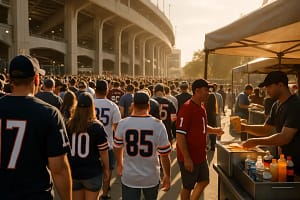
Fan experience often gets reduced to video boards, food choices, and club spaces. Those are visible, but access can define the day more than any interior feature. A fan who spends too long in a congested approach, waits without shade, or struggles to find the right pick-up area has already paid a cost in time and comfort before kickoff or showtime.
Pedestrians, Rideshare, And Heat
The planned elevated pedestrian deck is the most direct sports-operations element because so many fans approach from the Strip side. Better separation between walkers and vehicles is a practical safety goal, particularly before and after events when movement peaks. The dedicated drop-off and pick-up zone also responds to a modern stadium reality: rideshare is not a side issue in a tourism city.
The canopy may be easy to frame as an architectural flourish, but shade is a real fan-welfare feature in Las Vegas. The research does not quantify temperature reduction or the size of the shaded area, so caution is needed. What can be said is that shaded waiting space aligns with a basic standard for guest care, especially for long queues and early arrivals.
Back2Tap has also examined the same project’s broader event calendar stakes in Allegiant Stadium upgrades and 2029, where the timing before the next Las Vegas-hosted Super Bowl adds pressure to complete the work cleanly.
Construction Timing And Sports Operations
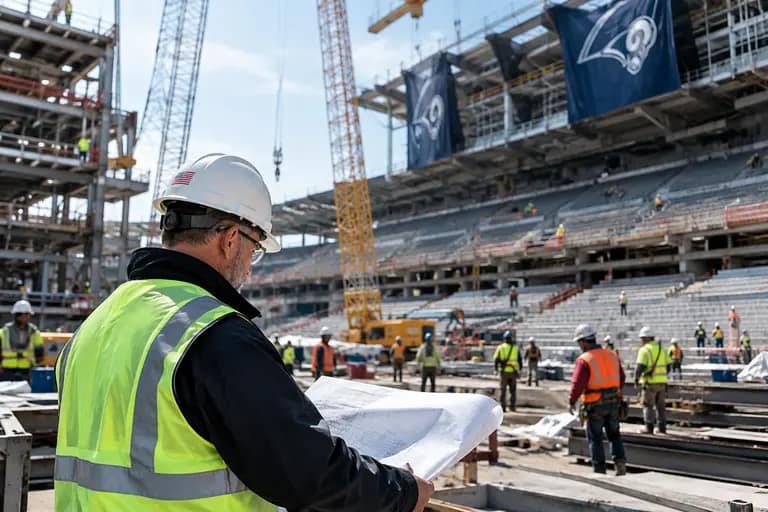
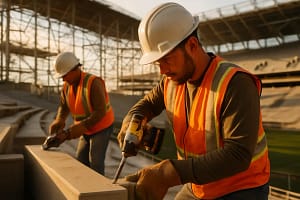
Construction is scheduled for the third quarter of 2027 through the end of calendar year 2028. That window matters because Allegiant Stadium is not a dormant site waiting for a one-time event. It hosts Raiders football and other major ticketed dates, so the project will need to protect day-to-day operations while work proceeds.
Keeping The Venue Usable During Work
The research does not provide a temporary access plan, lane-closure schedule, or event-by-event construction phasing. Without those details, claims about disruption would be speculative. The responsible analysis is to identify the operational questions that should be answered before shovels go into the ground: how pedestrians will be routed during construction, how rideshare zones will shift, how disabled access will be preserved, and how emergency access will be protected.
The architecture firm Grimshaw is leading the design work, according to the research. Design leadership is only one part of delivery. Stadium authorities and teams also need clear public communication, especially for fans traveling from outside Nevada. A strong access project can lose trust if visitors arrive during construction without clear information.
Allegiant Stadium Upgrade Public Value Test
The Allegiant Stadium upgrade should be measured as infrastructure, not hype. The approved plan has a defined public contribution, a defined private contribution, a defined location, and a defined completion target. That gives fans and taxpayers a fair basis for accountability. It also creates a useful model for how sports venues can address real access needs without pretending every capital project is equally urgent.
My view is straightforward: public money in sports should come with public proof. That does not mean every stadium project is wrong. It means teams, authorities, and host cities owe fans honest standards after public approval. For this project, those standards should include safer pedestrian movement, clearer rideshare circulation, shaded waiting areas, accessible entry routes, and maintenance follow-through by the party assigned to maintain the improvements.
If the North Entry becomes easier to use for Raiders games, major neutral-site events, concerts, workers, and visiting fans, the project will have a measurable sports purpose. If benefits are not documented after completion, the public will have reason to ask harder questions. The Allegiant Stadium upgrade is now approved; the next test is whether the finished entrance proves its value every event day, not only during the Super Bowl spotlight in early 2029.