
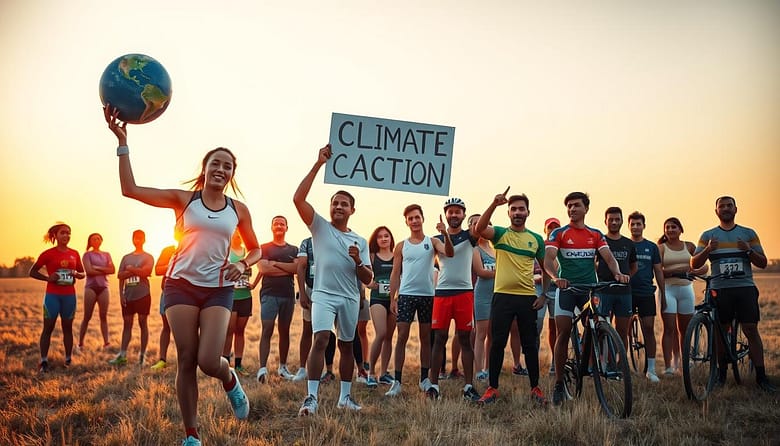
In recent years, sports have seen a big change. Athletes are now more than just competitors. They are powerful voices for change, focusing on the environment.
Nelson Mandela once said, “Sport has the power to change the world.” Today, athletes use their fame to inspire and unite people. They fight for social justice and now for the planet too.
These athletes don’t just talk about change; they lead it. They rally fans and communities to face the climate crisis. Their efforts show the power of working together to tackle global problems.
The Rise of Athlete Environmental Advocacy
In recent years, athletes have become more than just competitors. They have become powerful voices for change. This change shows that sports activism goes beyond the field. Athletes are now seen as key figures who can tackle big social issues, like the environment.
Sports activism has a long history. Moments like Muhammad Ali’s anti-war stance and the 1968 Olympic Black Power salute set the stage. These actions showed athletes’ power to make a difference. Colin Kaepernick’s kneeling protest against racial injustice has also inspired many to speak out, including on climate change.
Fans now expect athletes to take a stand. This has led to a rise in environmental advocacy. Today’s athletes know they have the power and duty to make a change. The modern athlete sees their influence as a way to fight for a sustainable future.
Sports organizations are also taking action. They are adopting eco-friendly practices, like building green stadiums and aiming for carbon-neutral game days. This creates a space where athlete environmental activism can thrive. Players and organizations are working together towards a common goal.
This shift is not just a trend; it’s a vital movement. Athletes’ commitment to the planet shows a cultural shift. It highlights that fighting climate change is a moral duty. Athletes are showing they can be game changers, not just in sports but in saving our planet.
Stories of Notable Athlete Eco-Leaders
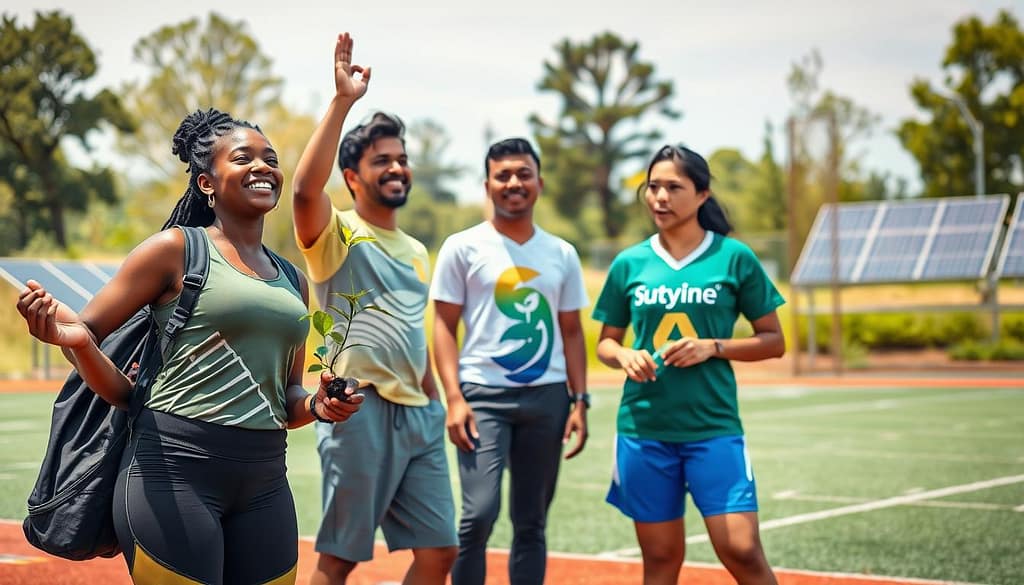
In recent years, a new kind of athlete has appeared. They use their fame to help the planet. These athlete eco-leaders are not just sports stars; they are also passionate about saving the environment. Their stories show their commitment to sustainability and their wish to inspire others.
LeBron James is a great example. He uses his influence to push for renewable energy. He doesn’t just endorse products; he also talks about climate policy and encourages fans to live sustainably.
Megan Rapinoe is another example. She fights for social justice and the environment. She teaches her followers that social and environmental issues are connected, urging them to help create a green future.
Fred VanVleet has also made a big impact. He works to reduce his carbon footprint. By supporting local environmental groups, he shows that athletes can make a difference in their communities.
Maya Moore focuses on air quality, mainly in cities. Her work shows how pollution affects health. She encourages fans to fight for cleaner air.
Natasha Cloud is known for her basketball skills and her fight for climate action. She uses social media to teach her followers about environmental issues. She aims to make them feel the urgency and responsibility to act.
| Athlete | Sport | Environmental Focus | Key Actions |
|---|---|---|---|
| LeBron James | Basketball | Renewable Energy | Promotes initiatives, engages in policy discussions |
| Megan Rapinoe | Soccer | Social Justice & Environment | Advocates for sustainability, raises awareness |
| Fred VanVleet | Basketball | Community Engagement | Supports local nonprofits, leads by example |
| Maya Moore | Track & Field | Air Quality | Raises awareness, campaigns for cleaner air |
| Natasha Cloud | Basketball | Climate Education | Educates followers, promotes climate action |
These athlete eco-leaders show that sports and caring for the planet can go hand in hand. Their hard work inspires fans and starts a chain reaction. It encourages others to join in for a greener future.
Social Media and Climate Campaigns
Social media is a strong tool for athletes to fight for the climate. Sites like Instagram, X, TikTok, and YouTube let athletes talk to millions of fans. This way, they can share their messages without needing old-school media.
Good climate campaigns by athletes use authentic storytelling. They share their personal stories and how they live sustainably. This makes fans trust them and want to help too.
Working with environmental scientists makes these campaigns stronger. Athletes get help from experts, giving fans real solutions to climate problems. This gets fans to join in and help the environment.
But, using social media for good isn’t easy. Athletes might be seen as just pretending to care. They also have to deal with false information. This can make them feel like they can’t speak up.
Even so, social media has changed the game for athlete activism. It lets athletes of all levels help the environment. By being real and consistent, they inspire fans to make a difference.
In the end, social media is changing how athletes fight for the climate. It lets them reach out to fans and build a community. This is a new time for climate action, where every voice counts.
Overcoming Challenges and Gaining Momentum
The journey of athlete activists is filled with big hurdles, but they keep moving forward. Many athletes face backlash for talking about environmental issues. Colin Kaepernick is a great example, as he was heavily criticized for his national anthem protest.
People often say athletes are hypocritical because of the carbon footprint of sports. Fans tell them to just focus on playing, making it tough for them to speak out. The constant attention can also take a big emotional toll.
Despite these obstacles, the push for sports activism in the environment is growing. Athletes are teaming up with science groups to spread their message. This teamwork shows that climate change is a big issue for everyone, not just politics.
Also, athlete-led efforts are showing real results. They’ve raised money and helped change policies, gaining respect and support. Their determination is clear as they keep pushing for change, just like past movements did.
The world of sports is changing, and so is how we see environmental issues. The drive behind athlete environmental activism shows a new generation’s commitment to a green future. For more on this, check out this article and see the faces of a sustainable sports revolution at this link.
How Communities Can Support Athlete-Led Change
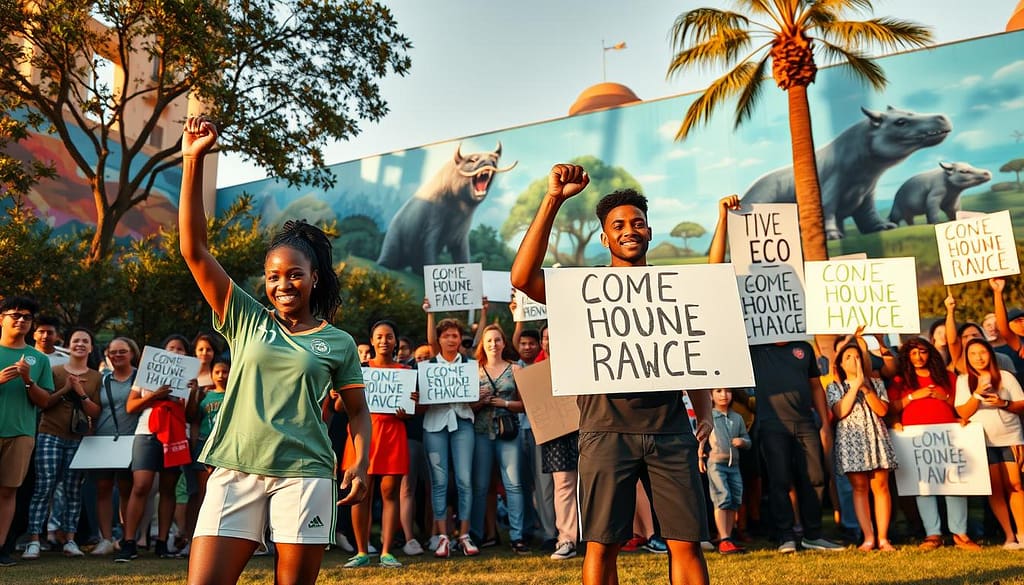
Local communities play a big role in helping athletes fight for the environment. By joining in, they create a space where athletes can make a real difference.
Showing support is easy by going to events led by athletes. These events bring people together and raise awareness. It shows athletes that their hard work is valued.
Donating to groups started by athletes is another way to help. These groups work on different environmental problems. Your support helps fund important projects.
Communities can also follow the lead of athlete advocates. This means starting recycling programs or organizing clean-ups. It’s a way to reduce waste and inspire others.
Using social media is key to spreading athlete’s environmental messages. Share their posts to reach more people. This helps raise awareness and gets more involved in environmental issues.
Schools and youth sports can teach about the environment inspired by athletes. This education shapes a future that cares about the planet.
It’s also important to hold sports organizations accountable for their green promises. This ensures they keep working towards their environmental goals. It’s a way for fans to influence change.
Supporting athletes who care about the environment is more than just cheering. It’s a partnership that can lead to real change. Together, communities and athletes can make a big difference in our world.
Lessons for Future Generations
Sport has the power to change the world, as Nelson Mandela famously stated. This idea is close to the hearts of athlete eco-leaders today. They aim to inspire a new generation to care for the environment.
Young athletes are starting to see the link between their sport and the planet. They understand that being great in sports and caring for the environment go hand in hand. Programs where athlete eco-leaders guide youth are key in this change. These efforts teach that protecting the Earth is just as vital as any training.
The rise of athlete activism opens doors for young fans. It encourages them to pursue careers in sustainability and environmental science. This shift is essential for a future where caring for the environment is a part of sports.
Institutions must make these lessons a part of sports programs. They should also create paths for future athlete activists. This way, every athlete will see their role as a responsibility to the planet.
The movement led by athlete eco-leaders is a powerful example. It shows how sports can lead the way in sustainability. To learn more about student-athletes leading this change, visit this insightful article.