
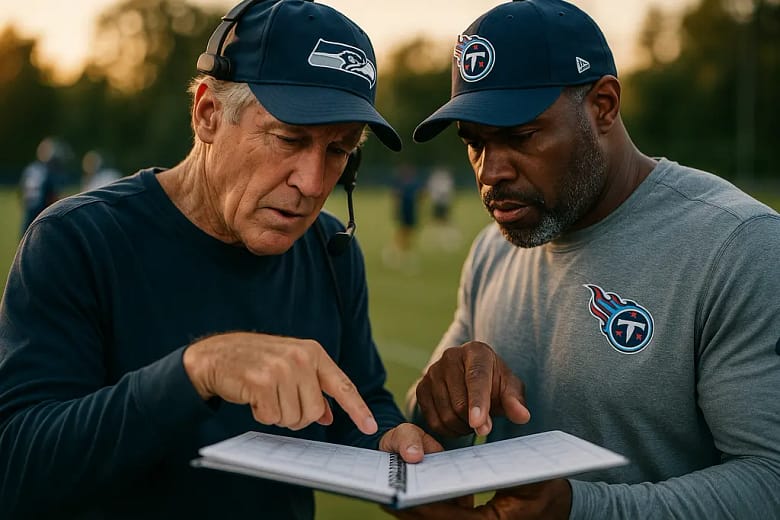
Joint Practices sit between training camp and preseason games, giving NFL teams a way to test players against unfamiliar technique without turning every rep into a full game-speed exposure. The Seattle Seahawks and Tennessee Titans are scheduled to practice together in Nashville on August 21, 2026, two days before their preseason game on August 23, 2026, at 5 p.m. PT. Seattle also said its rookies reported to training camp on July 17, 2026, with veterans joining on July 24, 2026, according to the Seahawks announcement.
That timing matters. By August 21, coaches have seen enough camp work to identify position battles, but not enough opponent-based evidence to settle every roster question. A practice against Tennessee offers different pass-rush angles, route pacing, protection calls, and special-teams looks than Seattle can create against itself.
For a sports education audience, the Seahawks-Titans pairing is a useful case study. It shows why preseason preparation is not just about game snaps. It is also about designing competitive settings that can teach, evaluate, and protect players at the same time.
Why Joint Practices Matter In Preseason
The Seahawks have not always used this tool regularly. Their 2024 work with the Titans was reported as Seattle’s first such practice in 33 years, with the previous example coming in 1991 against the Atlanta Falcons, according to a Sports Illustrated report. That gap gives the 2026 session more weight than a routine calendar item.
What Joint Practices Reveal
Coaches often need evidence that is hard to get from intra-squad work. A cornerback can look sharp when he has studied the same receiver for weeks. A guard can handle a teammate’s rush plan in camp, then face a different hand-fighting style against another club. A quarterback can grow comfortable against his own defense’s disguise patterns, then have to reset against a new coverage structure.
The value is not that one practice produces a final answer. It rarely does. The better argument for Joint Practices is that they widen the sample. They expose players to new tendencies while allowing staffs to control periods, down-and-distance situations, and matchups in ways a preseason game does not always allow.
Why The Historical Gap Matters
Seattle’s long break from this format also creates a teaching point for team-building. A club does not need to copy every league trend. It needs to decide whether a given practice model fits its roster, staff, and risk tolerance. The Seahawks’ return to the format against Tennessee in 2024, followed by another scheduled session on August 21, 2026, suggests the staff sees enough educational value to keep using it within preseason planning.
Joint Practices As A Controlled Test
Head coach Mike Macdonald has emphasized the benefit of a controlled competitive setting, according to the research provided. That phrase is central. Preseason games include live tackling, officiating rhythm, substitutions, and scoreboard pressure. Those are useful, but they can limit how many times a staff can isolate one matchup or rerun one concept.
A shared practice can be different. Coaches can script red-zone periods, third-down periods, one-on-one pass protection, or team drills. They can stop a segment, correct a player, and return to the same teaching point. That is especially valuable for new systems or roster groups that need reps against another team’s structure before the regular season.
Scheme Work Without A Full Game Script
For Seattle, the Tennessee setting can test communication across the offensive line, coverage exchanges in the secondary, and defensive fits against a different run menu. For the Titans, the same practice can challenge their own protections, route timing, and defensive communication. The point is mutual pressure, not a declared winner.
This is where preseason education can get lost in public discussion. Fans often grade camp by splash plays. Coaches need to know whether a player carried out the assignment that made the play possible. A receiver may not get the ball but still defeat press coverage. A linebacker may not make the tackle but may fit the correct gap and force the runner back inside. The practice film can separate those details better than a box score.
Player Development And Roster Evaluation
For younger players, Joint Practices place development in a sharper classroom. A rookie or second-year player can face unfamiliar veterans, adjust after a poor rep, and return to the huddle without waiting a full week for another opponent. That cycle matters because preseason decisions are made under time pressure.
The research notes from Seattle’s 2024 work with Tennessee pointed to player-development examples, roster-configuration testing, and more intense competition. Those are common reasons teams value the format. A coaching staff can compare how a player handles individual drills, team periods, and then the preseason game that follows two days later.
Depth Chart Pressure In Real Time
Roster evaluation is not limited to starters. In fact, the back end of the roster may benefit most from this format. Backup offensive linemen, rotational defensive linemen, reserve defensive backs, and core special-teamers all need opponent-based reps. A preseason game may give them limited snaps depending on injuries, rotations, or game flow. A planned practice can give coaches a clearer look.
That matters for athlete rights as well as team performance. Players fighting for roster spots deserve evaluation that is based on more than one late-game series or a small set of special-teams snaps. No process is perfect, and NFL roster cuts are harsh by design. Still, a broader evidence base can make the competition more transparent inside the building.
Returning Players And Contact Progressions
The research notes also referenced players returning from injuries in the 2024 setting. Any discussion of that area has to stay cautious. A practice can create staged contact and situational work, but medical clearance and staff supervision remain central. The responsible standard is not simply whether a player can participate. It is whether the rep plan matches the player’s readiness and protects his long-term career interests.
Athlete Welfare And Sustainable Planning
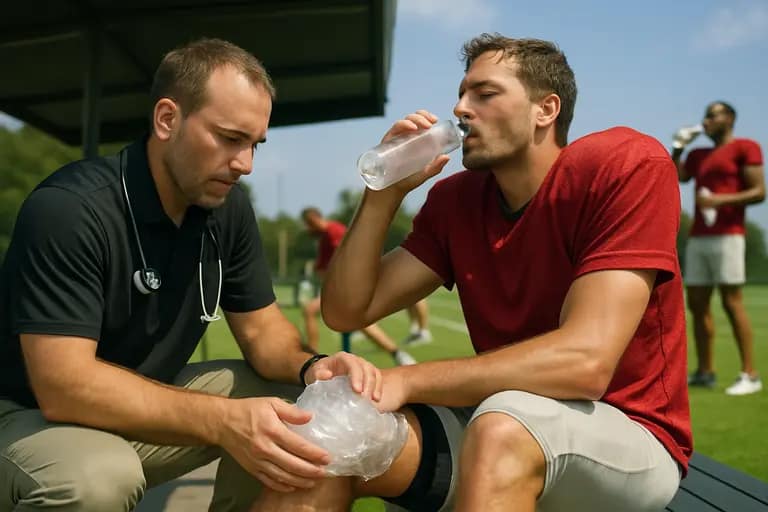
From an athlete-rights view, Joint Practices should be judged by how well they balance competition with care. The best version of the format gives players meaningful work without turning every period into uncontrolled physical escalation. That requires clear rules between staffs, discipline after the whistle, and a shared understanding of what contact level is expected.
There is also a practical sustainability angle. Seattle’s scheduled practice in Nashville comes just before the August 23, 2026 preseason game in the same city. Without claiming environmental savings that the teams have not reported, it is fair to say the plan groups evaluation and game preparation into one road stop. For readers interested in sports travel and venue-adjacent culture within this network, Bass Lake Roadhouse offers related lifestyle coverage and insights.
Questions Teams Should Answer
A careful preseason model should be judged by more than intensity. Teams can ask clear questions before and after a shared practice:
- Did the session produce evaluation evidence that could not be gained from normal camp work?
- Were contact rules clear enough to protect players while preserving real competition?
- Did younger players receive teaching feedback soon enough to apply it in the preseason game?
- Did the staff learn anything about roster combinations, communication, or scheme fit?
Those questions keep the focus where it belongs: player growth, competitive fairness, and readiness for regular-season football.
Seahawks-Titans Preseason Preparation
The Seahawks and Titans do not need the August 21, 2026 practice to answer every roster question. That is not how preseason evaluation works. Its value is more precise: one controlled day against another NFL team, followed by a preseason game on August 23, 2026, that can confirm or challenge what the practice film showed.
What The Case Study Teaches
The Seahawks-Titans example shows Joint Practices at their best when they are treated as education rather than spectacle. Coaches get a stronger teaching tape. Players get a clearer test. Front offices get another layer of evidence before difficult roster decisions. If the work is planned with player welfare in mind, the format can serve both competitive preparation and the people whose careers depend on fair evaluation.