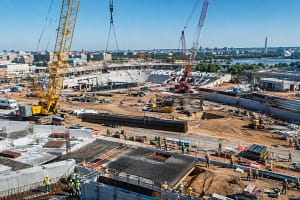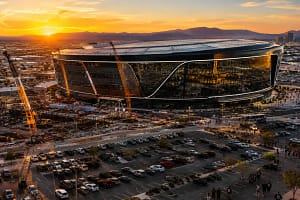
The Royals Ballpark Framework gave Kansas City a defined path for a Crown Center stadium, but it did not settle the economic debate around public participation, tax growth, and long-term accountability. On August 20, 2026, the Kansas City Council approved legislation establishing the project framework for a new Royals ballpark at Crown Center, according to the city’s official announcement. For a baseball market built on civic identity as much as summer attendance, the vote marked a major sports-business decision rather than a simple venue update.
The approved plan sits inside a larger downtown development story. The Royals’ new stadium is listed as a $1.9 billion ballpark within a $3 billion mixed-use Crown Center project, as reported by the Associated Press. That scale is why the local economy question deserves caution. Stadium districts can create activity around game days and non-baseball events, but public returns depend on attendance, nearby development, tax performance, and whether spending is new to the city or shifted from other Kansas City neighborhoods.
What The Royals Ballpark Framework Approved
The council action created a public framework for a franchise-defining move from the Royals’ current home to a planned Crown Center ballpark. The city’s commitment was set at $600 million. Of that amount, $90 million was tied to infrastructure, while $510 million was structured through city-supported bonds. That split matters because infrastructure can serve a stadium district and surrounding streets, while bond repayment depends on future public revenue flows.
Royals Ballpark Framework And The Public Share
The Royals Ballpark Framework placed Kansas City in a common position for major league cities: trying to protect a team relationship while asking public finance tools to support a privately operated sports venue. From an athlete and fan advocacy perspective, the key test is not whether baseball has value. It does. The test is whether public terms are clear enough for residents to measure what they receive in return.
The lease terms reported in the research notes assigned the Royals responsibility for operations, maintenance, utilities, and cost overruns above the $1.9 billion stadium budget. The city also retained 5% of net profits from non-baseball events at the stadium. Those terms narrow some public exposure, but they do not erase repayment risk tied to the city-backed financing plan.
The Public Funding Question
On October 8, 2026, the Kansas City Council approved a tax-increment financing plan and a Stadium Impact Area policy. The plan redirected incremental tax revenue from designated areas for 30 years to repay bonds. That structure makes future growth central to the stadium math. If tax growth meets projections, the project has a clearer repayment path. If it does not, the city faces harder tradeoffs.
Bond Repayment And Tax Growth
The Stadium Impact Area was first described as roughly 68 acres, then expanded to include the Crossroads, Union Hill, West Bottoms, Westside, and parts of Midtown, covering more than four square miles. That expansion widened the revenue base but also widened the civic stakes. Residents and businesses outside the ballpark footprint became part of the financing conversation because their future incremental tax growth could help service stadium-related debt.
Consultant projections from Hunden Partners, as provided in the research, estimated about $1.4 billion in total tax revenue over 30 years. That included roughly $462.5 million from stadium-generated taxes, $688 million from the broader impact area, and other sources such as restaurant, gaming, and parking revenue. These figures are projections, not results. A careful reading should treat them as planning assumptions that need public tracking after the stadium opens and the district begins producing measurable tax data.
For readers following the financing side of the issue, Back2Tap’s prior analysis of Royals stadium funding raises the same core question: whether the city can align baseball ambitions with repayment discipline and transparent public reporting.
Local Economy Signals And Limits
The economic case for the Royals Ballpark Framework rests on a familiar mix of attendance, events, district spending, and private development around a major sports anchor. The research notes project nearly 26,000 fans per game at the new stadium, compared with the Royals’ 2025 average of about 21,590. If achieved, that would place more people near Crown Center on game days. It would also affect transit, parking, hospitality, staffing, and public safety demands.
Attendance, Events, And Downtown Spending
Baseball schedules create repeat demand in a way that single-event venues do not. Home games can give nearby restaurants, bars, hotels, and service workers more predictable event traffic during the season. Non-baseball events, including concerts, private functions, and a possible All-Star Game, were included in revenue forecasting. Still, those events should be assessed after contracts, dates, and actual attendance are known.
Sports tourism is also shaped by where fans eat, gather, and travel before or after events. That connection is familiar to community hospitality audiences across related sites such as Bass Lake Roadhouse, where place-based food and travel habits are part of the wider visitor economy. In Kansas City, the test will be whether stadium traffic adds spending beyond existing entertainment districts rather than pulling the same local dollars from one corridor to another.
The Risk Of Shifted Spending
Economists cited in the research warned that many stadium revenue projections rely on redirected economic activity, often called cannibalization, rather than entirely new spending. That concern is central here. If a family spends near the new ballpark instead of in another Kansas City neighborhood, the city may see a district gain without a citywide gain. For public finance, the location of spending matters less than whether total taxable activity rises enough to meet repayment needs.
Public safety and general services are another concern. If redirected taxes underperform, core services could face pressure because the city remains responsible if revenue falls short. That does not mean the project will fail; it means the public should evaluate the stadium as a long-term fiscal instrument, not only as a baseball venue.
Community Benefits And Baseball Obligations

The agreement included community benefit commitments from the Royals totaling at least $55 million. The research notes identify $5 million for Kansas City’s Housing Gateway homelessness initiative, $5 million for the Negro Leagues Baseball Museum, and $14 million for the One Percent for the Arts program. Those commitments are significant because they place social investment inside the stadium deal rather than outside it.
Where Community Terms Meet Fan Trust
For athletes, fans, and civic leaders, community benefits should be treated as enforceable obligations with public timelines and reporting, not as public relations language. The Negro Leagues Baseball Museum commitment is especially relevant in a baseball city with a direct connection to the sport’s Black history. A new Royals district should not separate modern revenue goals from the people and institutions that helped make Kansas City a baseball city.
The Royals Ballpark Framework also gives the club a large operational burden. Responsibility for operations, maintenance, utilities, and budget overruns above the $1.9 billion stadium figure should reduce some direct city exposure. Yet public oversight remains necessary because the city’s $600 million commitment and 30-year repayment design extend well beyond a single council term or baseball cycle.
- Track annual stadium-generated tax revenue against the $462.5 million projection.
- Report broader Stadium Impact Area revenue separately from ballpark-only revenue.
- Publish community benefit spending by recipient, date, and purpose.
- Disclose non-baseball event net profits and the city’s 5% share.
Royals Ballpark Framework Accountability
The Royals Ballpark Framework should now be judged through measurable delivery. Kansas City approved the project structure on August 20, 2026, and approved a 30-year TIF repayment policy on October 8, 2026. Those decisions moved the issue from political negotiation to performance management. The next phase should be less about slogans and more about audited numbers, event calendars, construction cost reporting, and community benefit documentation.
A Sports-First Standard For Civic Return
A stadium can be a meaningful sports home, a player workplace, a fan gathering point, and a downtown development anchor. It can also create fiscal pressure if assumptions do not hold. Both ideas can be true at once. The responsible path is to keep baseball at the center while refusing to treat projected tax growth as guaranteed revenue.
Kansas City’s decision carried real ambition. It also carried real public exposure. If attendance, private development, non-baseball events, and tax growth perform near the forecast, the Crown Center project could strengthen the city’s sports economy. If the numbers fall short, residents will need clear evidence of how repayment gaps are handled. That is the standard the council, the Royals, and civic partners should meet from this point forward.