Natasha Cloud used to chase championships. In 2020, she focused on changing the system instead. She chose to leave the WNBA bubble to work on community reform efforts. She realized that winning games doesn’t stop police brutality.
Today’s athletes face a new challenge. They deal with viral outrage, worried team owners, and fans who want them to just play. It’s a tough arena.
Remember when Colin Kaepernick’s knee sparked a national debate? That was just the start. Now, LeBron James is using NBA locker rooms for voter registration. His “More Than A Vote” initiative aims to fight voter suppression.
Modern athlete-led justice campaigns are serious. They’re not just about hashtags. They’re about changing policies and voting rights.
What’s the cost of standing up for what’s right? For Cloud, it was missing a season. For Kaepernick, it was his career. Today’s athletes risk losing sponsorships and facing online backlash.
Yet, Black athletes remind us that silence is not neutral. The real question is, why did we ever think they wouldn’t speak out?
Sports and Social Movements: A Modern Timeline
Imagine Muhammad Ali standing up to the U.S. government in 1967. He said, “I ain’t got no quarrel with them Viet Cong.” Now, 53 years later, NBA players wear “Black Lives Matter” jerseys. This shows how athlete activism has evolved, using sports to challenge power.
Let’s look at the key moments:
- 1968 Olympics: Tommie Smith’s black-gloved salute was a powerful statement
- 2016 NFL: Colin Kaepernick’s kneeling sparked a national debate
- 2020 WNBA: Players used their games to register voters
It’s interesting to see how corporations have changed. The NBA’s 2020 “Social Justice” court decals were a big move. But does it weaken or strengthen the message when entire teams join in?
Let’s compare two periods:
| Era | Individual Sacrifice | Collective Action |
|---|---|---|
| 1960s-90s | Ali lost his titles | Olympic Project for Human Rights |
| 2010s-20s | Kaepernick faced backlash | WNBA’s #SayHerName campaigns |
Megan Rapinoe’s fight for equal pay shows a new strategy. Athletes today are not just fighting for justice; they’re building media empires. The question is, are we seeing real change or just better marketing?
Stadiums have become places for activism, with sports teams community engagement growing. From police reform to voting rights, the game has changed. But is it about real impact or just good PR? History is watching.
Key Campaigns: Black Lives Matter, Pay Equity, LGBT Rights
Sports activism has changed. It’s not just about winning games anymore. It’s about fighting for justice. Three big movements have shown how athletes can make a difference. They’ve turned sports into a platform for change.
From Hashtags to Handcuffs: The BLM Evolution
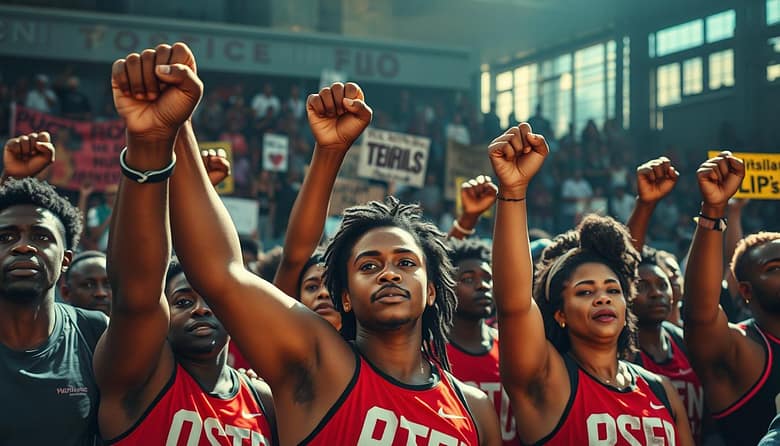
The WNBA took a stand against racial injustice. They didn’t just talk about it; they acted. During the 2020 elections, they turned arenas into polling stations.
- 20+ venues converted to voting centers
- 400,000+ voters served in marginalized communities
- 3 new state laws protecting voting rights
This wasn’t just a show of support. Players became advocates for change. They testified in statehouses, pushing for laws that protect voting rights. Georgia’s SB 202 was blocked, showing the power of their efforts.
Paychecks and Protests: The Gender Wage Game
Serena Williams spoke out about pay inequality in 2018. Her words are as relevant today as they were then. Let’s look at some numbers:
| League | Avg. Salary | Championships Needed to Equal Top Male Athlete’s Monthly Earnings |
|---|---|---|
| NWSL | $54,000 | 4 |
| WNBA | $130,000 | 2.5 |
| USWNT | $263,000 | 1.25 |
The pay gap is huge. Messi makes $4.5 million a month. Sophia Smith would need four titles to match that. And she’d have to pay stadium workers from her endorsements.
This gap is not just unfair; it’s absurd. But athletes are fighting back. They’re using their platforms to push for change. The goal is to close the pay gap through collective bargaining.
Tactical Approaches: Boycotts, Protests, Media
What happens when sports stars use their fame to speak out? Today, athletes mix old-school civil disobedience with social media. It’s like Rosa Parks meets TikTok. Let’s explore how athletes are changing the game.
When Silence Speaks Louder Than Tweets
The 2020 NBA playoff boycott was more than empty courts. It was a bold statement for racial justice. Players used their power to make a big impact.
- Coordinated walkouts during prime TV slots
- Leveraging collective bargaining agreements as shields
- Redirecting media attention from games to grassroots orgs
This strategy is backed by proven nonviolent tactics. It turns economic power into political strength. Remember LeBron James’ powerful tweet? Now imagine that energy across 450 players and 22 teams.
Jersey Politics: Apparel as Activism
NFL cleats have become symbols of protest. Malcolm Jenkins’ “Justice for All” cleats made a big impact. They showed what 10 press conferences couldn’t.
- 2016: Custom messages banned by league policy
- 2020: League-mandated “End Racism” helmet decals
- 2023: Player-designed social justice patches
Teams now balance corporate social responsibility with athlete advocacy. The Philadelphia Eagles’ eco-friendly uniforms did more than sell jerseys. They showed pro sports team sustainability leadership in action.
Policy Changes Sparked by Sports Campaigns
Forget “thoughts and prayers” tweets – today’s athlete activism comes with receipts. While hashtags grab headlines, the real game happens when jersey numbers get traded for legislative bill numbers. Let’s examine how sweat equity became actual equity through three policy transformations.
From Kneeling to Knowing: Legislative Wins
The NFL’s Clean Slate Initiative proves protests can become playbooks. What began as kneel-during-anthem debates evolved into probation reform laws across 12 states. Players turned their end zone strategies into courtroom victories, reducing felony probation terms by an average of 3 years. Touchdown for criminal justice reform?
Also, the NBA Foundation dropped $300 million into Black-owned businesses – not through charity auctions, but permanent economic infrastructure. Their secret weapon? Partnering with former Wall Street traders who now analyze community investment spreads instead of point spreads.
| Campaign | Policy Impact | Environmental Angle |
|---|---|---|
| NFL Clean Slate | Probation reforms in 12 states | Carbon-neutral team travel by 2027 |
| NBA Foundation | $300M Black business fund | Recycled court materials initiative |
| WNBA Green Courts | Arena sustainability mandates | 72% reduced plastic use in 2023 |
Let’s not ignore the environmental sustainability in sports movement. Tennis stars now demand tournament organizers use fewer balls than a Little League practice. Formula 1 drivers race hybrid cars while pushing for urban EV infrastructure. Even team planes are getting greener – next time you see a private jet, check if it’s running on recycled cooking oil from the arena nacho stand.
These wins didn’t come from viral moments alone. They required playbooks sharper than Bill Belichick’s game tapes. Athletes hired policy wonks, studied legislative loopholes, and turned post-game interviews into lobbying sessions. Who needs Instagram influencers when you’ve got salary cap experts crunching social justice numbers?
How These Campaigns Change Perceptions
Remember when athletes just played, not got involved in politics? Now, they’re more like strategists than just players. The change from “shut up and dribble” to “speak up and lead” is huge. It’s changing how fans see athletes’ power.
The Michael Jordan Effect Reversed
Michael Jordan once said “Republicans buy sneakers too.” But now, athletes like Jaylen Brown are doing more. He runs Boston’s Bridge Program to teach financial skills in schools. It’s not just giving back—it’s fighting inequality.
The NFL has also changed. Instead of just playing, they’re now pushing for police reform. This shows that sports teams community engagement is more than just photos.
| Era | Stance | Community Impact | Public Perception |
|---|---|---|---|
| 1990s Jordan | Avoidance | Charity donations | “Apolitical hero” |
| 2020s Stars | Advocacy | Policy partnerships | “Game-changers” |
LeBron’s I PROMISE School and Jordan’s quiet giving spark debates. But Jaylen Brown’s work is different. He combines fame with real change, like tech programs for Black youth.
When NFL owners go to Congress, do they score or foul? Critics say it’s just showing off. But 73% of Gen Z fans want teams to speak out. Silence is now seen as a choice.
Is it activism or just marketing? Maybe both. But when Brown’s students start businesses, or NFL-backed laws cut police misconduct, does it matter why? The game is changing, one community at a time.
Adapting Tactics Locally
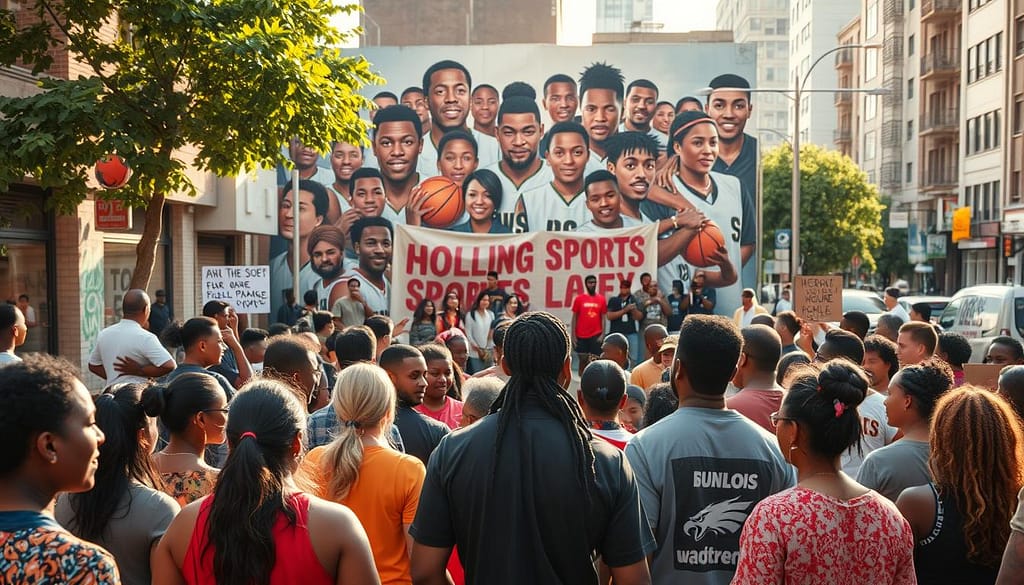
While NFL kneelings got a lot of attention, a quieter change was happening elsewhere. In Little League and rec center basketball courts, something special was brewing. Here, sports teams community engagement was about making real change, not just viral moments.
From Hashtags to Homegrown
Take Marcus Peters, a high school quarterback in Toledo, not the NFL star. His team painted cleats with climate stats. This turned Friday night games into a way to spread the word about athletes climate change awareness. Soon, the school district installed solar panels.
The RISE program has found three key ways to make a difference:
- Poll position: WNBA players helping people vote in food deserts
- Farm-to-dugout: MLB teams turning parking lots into gardens
- Scholarship strikes: Bowling leagues helping with college applications
Karen Weisberg, a suburban soccer mom, became an activist. Her “Bake Sales for Bail Reform” raised more money than two NBA teams. “Turns out, people care more about their neighbor’s kid than some millionaire’s Instagram post,” she said at a PTA meeting.
This local approach has made a big impact. Minor league pitchers hosting “Know Your Rights” clinics between games increased police attendance. Why? Sports teams community engagement works because it’s personal. It’s hard to dislike when your kid’s coach is teaching you something.
Opportunities for Community Involvement
Professional athletes aren’t the only ones making a difference. The NFL and RISE show us change is possible. Now, your home can be a place of action too.
Your Turn at Bat: Playbook for Civilians
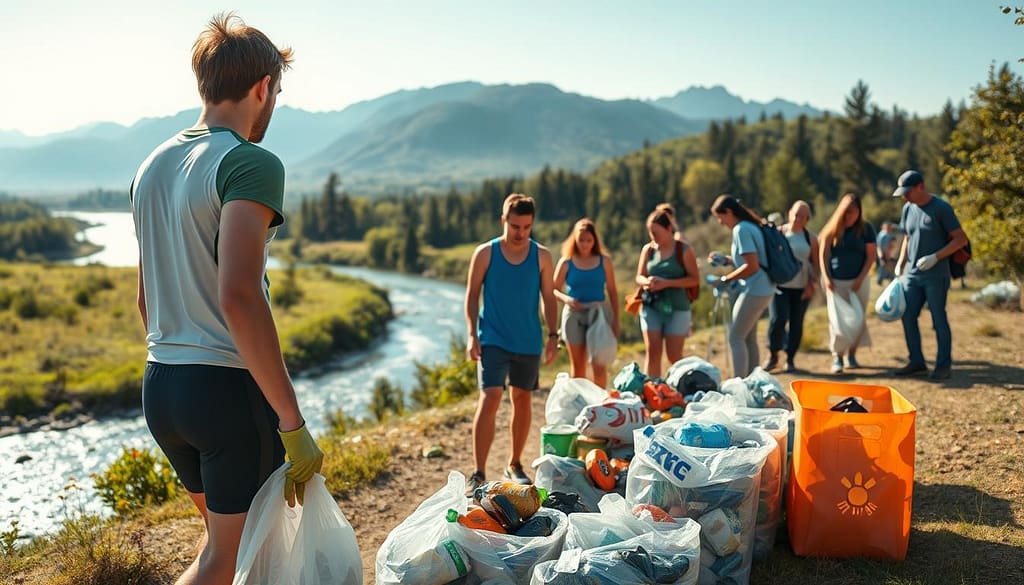
Trade fantasy football for real-world actions. Organize cleanups in your neighborhood through local sports leagues. Adidas shows us how to make a difference with recycled ocean plastic.
Begin with small steps but aim high. Use watch parties to register voters. Turn summer league games into fundraisers for mutual aid. Even fantasy league money can support important causes.
Digital actions can also make a big impact. Show RISE’s videos during team huddles. Push for old stadiums to become community centers. Atlanta’s CHaRM shows how sports infrastructure can help the environment.
The time to act is now. Will your next tailgate be about change or just food? Let’s show that social justice is everyone’s game.