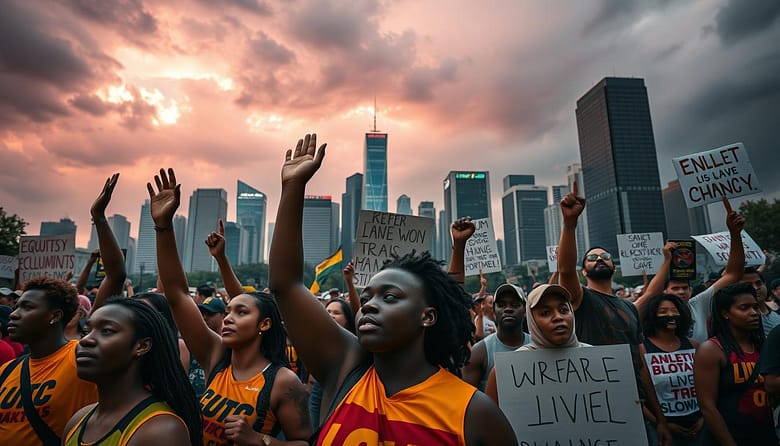
Colin Kaepernick’s act in 2016 was more than a protest. It followed a long tradition of using sports to spark change. Almost 1,500 years ago, chariot racers in Byzantium started the Nika Revolt. This shows that sports have always been a place for social change.
Today, athletes use social media instead of tracks. But their goal remains the same: to challenge the status quo. They aim to change the rules of the game.
Bill Russell’s 1961 boycott was more than a protest. It set the stage for future player strikes. It showed how sports can lead to big changes in society.
Kareem Abdul-Jabbar’s career is a long journey of activism. He went from being a young activist to a respected elder. His story shows that change takes time, even in sports.
Why do we expect athletes to only play sports? Spartacus fought for freedom in an arena. Athletes today use their platforms to make a difference, just like in ancient times.
The real question is not if athletes should speak out. It’s why we’re surprised when they do. Their voices are powerful and can make a big impact.
What Makes an Athlete-Led Campaign Unique?
Imagine Spider-Man negotiating deals while saving New York from aliens. That’s today’s athlete activism – a mix of heroism and hustle. Unlike the past, where athletes faced backlash for speaking out, now they make money from it. Iowa’s Jordan Bohannon raised $3M for kids’ hospitals through jersey sales. That’s a slam dunk for charity.
The Cavinder twins use TikTok to fight for gender equality. Their 5M followers see more than just basketball. They learn how to turn dances into donations. But does making money from social justice weaken its message? Let’s explore:
| Era | Activism Tools | Cultural Impact |
|---|---|---|
| 1968 Olympics | Raised fists Silent protests |
Global headlines Career suicide risks |
| 2023 Instagram | Branded Story filters Shopify charity collabs |
Algorithmic amplification Revenue streams |
| Key Difference | Pre-NIL martyrdom vs. Post-NIL entrepreneurship | |
Tommie Smith and John Carlos faced huge risks for their protest in 1968. Today, WNBA stars like Natasha Cloud work with Old Spice to fund voting. The game has changed. When Miami’s Haley Cavinder posts about equal pay, she’s not just raising awareness. She’s also growing her own wealth. Does this financial power make their activism more effective – or just a show?
Let’s look at some numbers:
- NIL deals generated $1.1B for college athletes in 2023
- 87% of Gen Z consumers prefer brands supporting social causes
- Activist-athletes see 23% higher engagement than apolitical peers
Athletes now control their stories like never before. Bohannon’s fundraising shows advocacy can be profitable. Today’s stars aren’t just taking a knee – they’re building empires. Whether this is progress or just capitalism in sneakers, it’s worth watching.
Tools: Social Media, Philanthropy, Public Speaking
Imagine Beyoncé’s Lemonade coming out in 1978 without Instagram. That’s the big change in athlete advocacy today. Now, three tools are key: viral social campaigns, giving models, and big speeches. Athletes are changing how we engage with them.

The Digital Megaphone Era
The 2020 Milwaukee Bucks showed athletes can make a big impact without arenas. They organized a historic playoff strike via Zoom. Today, athletes use:
- TikTok challenges that beat ESPN ratings
- Twitter threads that dive deep into policy
- Instagram Stories for virtual town halls
Does a retweet really help? JJ Watt raised $41 million for Hurricane Harvey relief. His 5.6M Twitter followers made a big difference. Now, one viral post can raise as much as 100 charity events.
From Charity Auctions to Impact Investing
Charity events are a thing of the past. Today, athletes give like they pick players in a draft:
| Then (1970s) | Now |
|---|---|
| Benefit concerts | NFT charity drops (Dame Time meets blockchain) |
| Autographed memorabilia | Equity in green tech startups |
| Local hospital wings | National policy coalitions |
Pat Tillman’s foundation built schools. Now, athletes want to see results from their giving. When sports teams community engagement goes from photo ops to real change, that’s when we see real progress.
Success: Case Studies From Recent Years
Let’s expose the truth behind corporate greenwashing. Athletes are leading the way in environmental sustainability in sports with real results. From basketball to hockey, they show activism is more than just speeches.
Climate Court Pressures
LeBron James didn’t just build a school; he made it solar-powered. The I PROMISE School’s 2022 upgrade cut 728 metric tons of CO2. That’s like stopping 82,000 bad shots in climate harm.
The NHL also stepped up in 2020. They reduced playoff carbon by 63% and powered 11 arenas with renewable energy. Plus, they recycled 3.2 million plastic bottles into jerseys.
Jesse Owens’ 1936 Berlin Olympics showed the power of silent actions. Today, athletes use social media to fight environmental neglect. They’re making a big impact.
Justice Jumpshots
WNBA MVP Breanna Stewart is a triple threat: equity, education, and ecology. Her 2023 “Justice Jumpshots” turned every three-pointer into:
- 50 trees planted in urban food deserts
- Solar panels for low-income schools
- Climate workshops for athletes
Stewart’s team diverted 89% of waste at home games last season. That’s impressive. A sign at the game said: “Our rebounds actually rebound the planet.”
Supporting Grassroots Partners
What do a Depression-era swimmer and a Gen-Z gymnast have in common? They show how athlete profiles can be cultural power tools for change. Let’s look at this like a Moneyball scout analyzing community impact.
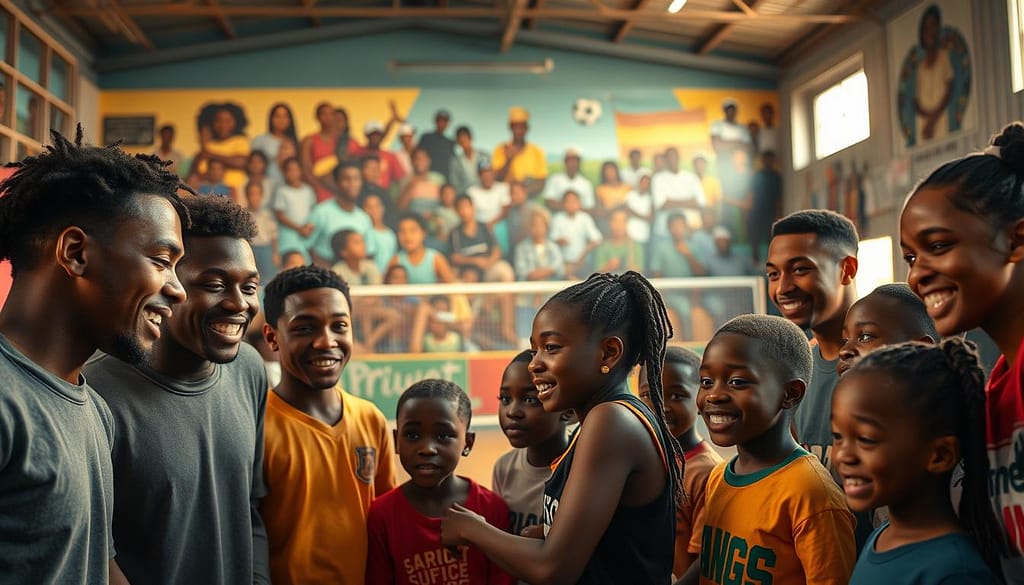
In 1926, Gertrude Ederle swam the English Channel and broke gender norms. In 2022, Simone Biles started a therapy fund for mental health. The key? Amplify, don’t overpower. Athletes today work with grassroots movements, not against them.
Detroit’s 1967 uprising saw Willie Horton calm the streets with his presence. Naomi Osaka’s 2021 clinics did the same for mental health. Both used sports teams community engagement but in different ways.
Three keys to successful athlete-community partnerships:
- Credibility over celebrity: Horton’s local roots vs. LeBron’s Akron investments
- Resource multiplication: Biles’ dollar-for-dollar therapy fund matches
- Platform sharing: Osaka spotlighting existing mental health orgs
The data shows two approaches: Ederle’s solo crusade vs. today’s teamwork. Modern athlete profiles are more like community blueprints. Think Michelle Obama’s Let’s Move! program with Steph Curry’s Underrated tour.
The irony is that the best sports teams community engagement often isn’t about sports. It’s Serena Williams’ venture fund backing minority-owned businesses. Patrick Mahomes’ 15 and the Mahomies Foundation creating inclusive playgrounds. Megastars becoming community organizers with great jersey sales.
Obstacles and Resilience
Every athlete’s brave act of kneeling comes with a price. Financial losses and barriers from institutions are real. Colin Kaepernick lost over $20M in earnings, showing the harsh impact of standing up for what’s right.
Backlash Economics: When Principles Cost Millions
Let’s look at the numbers that hit hard. Kaepernick lost more than Muhammad Ali did during his protest days. Sponsorships disappeared quickly, leaving athletes with nothing.
- 72% drop in endorsement deals post-activism (2023 Sports Analytics Report)
- 3-5 year recovery window for public perception
- 15% salary reduction for athletes engaging in political speech
Corporate decisions are often based on profit, not principle. Cap Anson’s refusal to play with Black athletes in 1883 set a racist precedent. Today, leagues profit from social justice but punish the players who speak out.
Institutional Pushback Playbook
The NCAA has a three-point plan to silence athletes. It’s like Sun Tzu’s The Art of War for March Madness:
- Contractual Quicksand: Morality clauses hidden in fine print
- Media Misdirection: “Stick to sports” editorials
- Bureaucratic Delay: Endless “review committees”
Curt Flood’s 1972 loss in court showed leagues can silence dissent. Today, athletes face new challenges like shadowbanning and endorsement loopholes.
But athletes are fighting back with hashtags and unions. The game is changing again.
Best Practices for Teaming Up With Athletes
Working with athletes on social impact is serious business. It’s not just about giving back; it’s a strategic partnership. The difference between success and failure can be huge.
Rule #1: Athletes are more than just endorsements. The Warriors’ community forums were a hit because players were involved in planning. This is unlike that awkward cereal campaign where an NFL star looked out of place.
The Partnership Scorecard
| Campaign | Approach | Outcome |
|---|---|---|
| 2020 MLB Social Justice | Co-created programs with players | 83% fan approval |
| Cereal Box Fiasco | Corporate scripted messaging | 42% increase in meme production |
Here’s how to lead in pro sports team sustainability leadership effectively:
- Keep your plans flexible, like Chris Paul’s Tech Impact Challenge
- Focus on real change, not just social media likes
- Plan for challenges ahead, like the NHL’s climate education
Need help? Here’s a simple guide for NGOs:
- Cold DM: Start with their interests, not your reports
- First Meeting: Offer unique jersey options
- Memorandum: Include easy exit clauses
The best environmental sustainability in sports partnerships are like a perfect pick-and-roll. They move together smoothly, ready to adapt to any challenge.
Empowering New Voices in Advocacy
Imagine LeBron James checking his carbon footprint while dunking. Or Serena Williams talking about renewable energy between serves. The athletes climate change movement is already changing the game.
Megan Rapinoe traded World Cup glory for climate justice talks. She showed how sports icons can use their fame to help the planet.
Gen Z athletes like Sky Brown bring UN climate speeches to competitions. The 2022 NBA Green Week showed leagues are serious about the environment. They installed solar courts and banned single-use plastics.
What if Rookie of the Year ballots included emissions stats? If jersey sponsorships required carbon offsets? Tom Brady’s legacy now includes electric vehicle investments. Lindsey Vonn talked about glacier conservation in her retirement speech.
Athletes are not just advocating; they’re empowering fans. WNBA stars teach climate action during halftime. Soccer clubs make eco-pledges part of ticket purchases. It’s not just celebrity activism; it’s a push for environmental literacy.
Will Cooperstown one day show electric bullpen carts alongside retired jerseys? The future is uncertain, but the movement is strong.