
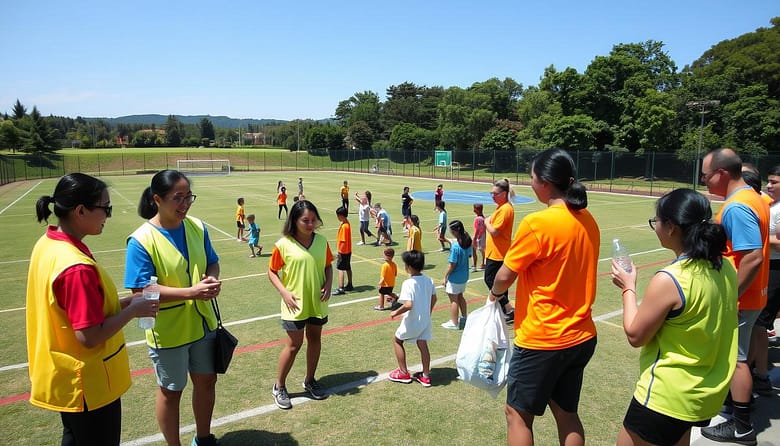
Ever wonder who keeps community sports alive while we binge Netflix? It’s the unsung heroes who show up every day. They make Saturday morning soccer games possible.
In British Columbia, these volunteers are key to local sports. Almost 44% of BC residents volunteer, more than the national average. Sports organizations have the second highest volunteer engagement rates.
What’s interesting? 65% of lifelong volunteers started in sports. It’s like a gateway to helping others. But, we often face the “volunteer paradox.” Everyone wants the benefits but no one wants to do the paperwork.
A recent study on volunteer motivations shows their impact. These individuals create social cohesion and gain skills that benefit communities. They’re not just keeping score; they’re building something valuable.
Organizing Eco-Friendly Events
Remember when “sustainable sports” meant affordable season tickets? Those days are over. Now, we focus on events that don’t harm the environment.
Major sports events used to be huge environmental problems. They caused massive construction and travel emissions. These events were like ecological disasters in sports uniforms.

The 2024 Paris Olympics aim to cut emissions by 50%. That’s like a sumo wrestler taking up half the ring. It’s ambitious but possible with the right plan.
Here are some sustainable practices that work:
- Using existing infrastructure (because building new stadiums is so 2010)
- Partnering with local food suppliers for farm-to-field dining experiences
- Implementing aggressive waste reduction programs
- Making public transport actually appealing for once
- Transitioning to renewable energy sources
Climate change might cut practices by 30-50% by 2050. Extreme heat and poor air quality could be the game-changers.
It’s not just about big events. Local eco-friendly events can also follow these principles. They work for neighborhood tournaments or regional championships.
The environmental impact of sports isn’t going away. But we can innovate to host events without harming the environment. The real question is, are we smart enough to do it?
Volunteer Training and Impact
Ever wonder why some sports volunteers keep coming back? It’s not just their passion. It’s the support they get that makes them stay.
Let’s look at what keeps volunteers coming back:
- Social Connections: People volunteer because their friends do. It’s like buying ugly Christmas sweaters, but for sports
- Skill Development: Younger volunteers see it as a chance to learn without debt. They get real-world experience, and you get free help
- Community Contribution: Giving back feels amazing. It’s like a natural high for parents and coaches
- Pure Sport Passion: These are the ones who’d choose coaching over watching the Super Bowl
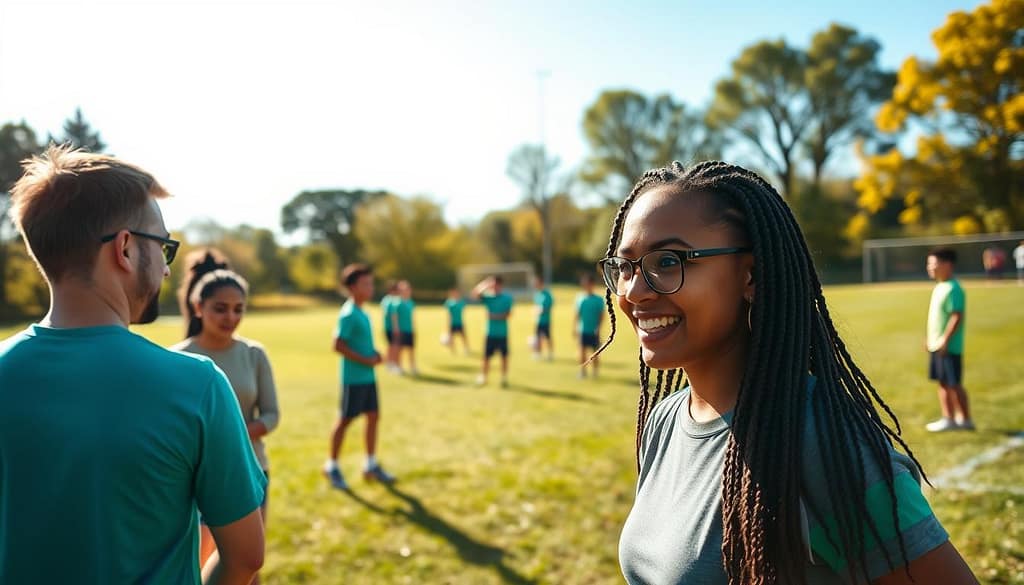
But many groups fail to keep volunteers. They think passion alone is enough. Wrong. Without proper training and support, even the most dedicated will leave.
The pandemic changed volunteering. We learned we can make a difference online. Now, accountants can coach budgeting from home, not stuck at the concession stand.
Smart organizations now use skills to meet needs. They offer flexible roles and thank volunteers properly. This turns temporary helpers into lifelong supporters.
Keeping volunteers isn’t hard. It’s about valuing their time, using their skills, and making them want to stay. Do that, and you’ll have a team that lasts longer than most marriages.
Volunteer Retention
Keeping volunteers is tough, like explaining soccer rules to kids. The need for volunteers has grown, but fewer people are stepping up. This is known as the “engagement paradox.”
Why do volunteers stay? It’s not just about free food. They stick around when they feel their work matters and they’re valued.
- Role-fit alignment: Make sure volunteers are doing tasks that match their skills. It’s like solving an organizational puzzle.
- Flexibility frameworks: Offer flexible schedules and remote work options. This shows you respect their lives outside work.
- Support systems: Provide mentorship and training. This shows you’re invested in their growth.
- Value alignment: When volunteers share your organization’s values, they’re more likely to stay.
Organizations that treat volunteers as free labor see high turnover. But those that see them as community partners build strong relationships.
Good volunteer engagement is based on understanding people. Volunteers want to feel seen, valued, and understood. They stay when their work has real impact.
The best organizations offer clear benefits to volunteers. This includes skills development, networking, and seeing the impact of their work. This turns temporary helpers into long-term assets.
Volunteers are not just anyone. They are people choosing how to spend their time. Organizations that keep volunteers understand this shift.
At the end of the day, volunteer engagement is about treating people as partners. When you invest in their success, everyone benefits. This includes the community you serve together.
Community Recognition and Expansion
If your volunteer list looks old-fashioned, we need to change. Immigrants volunteer 7% less than Canadians, and women are only 25% of coaches. Older adults are missing too. This isn’t about diversity; it’s a strategic issue.
To grow your volunteer team, we must reach out in a real way. We need programs for language help, tech access, and recognition that values all contributions. Diverse views lead to new ideas and programs that truly reflect our communities.
The best volunteers bring different experiences to sports. They understand cultural differences, bridge age gaps, and connect with people in unique ways. It’s not about charity; it’s about creating lasting sports programs.
Recognition programs should celebrate what each volunteer brings. By broadening our view of what makes a great volunteer, we increase our impact. The future of sports relies on welcoming everyone, not just the usual faces.