
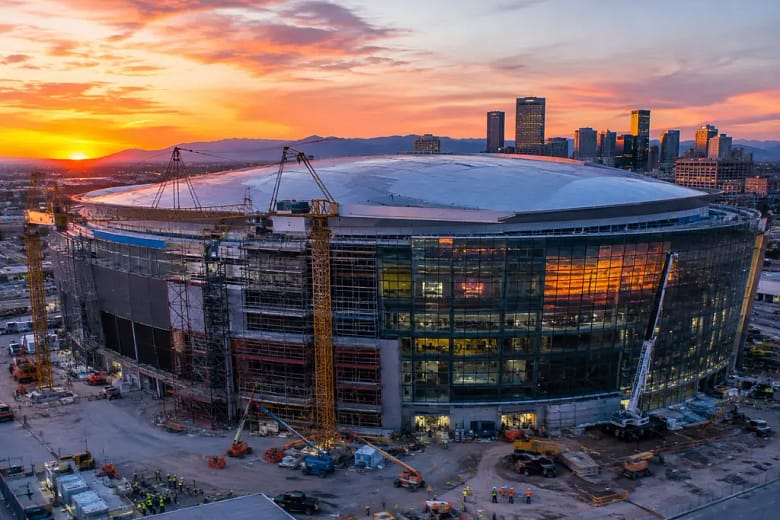
The Ball Arena Renovation was announced on September 18, 2026, as a $135 million package for Denver’s major indoor sports venue. For players, the most relevant question is not whether the building looks newer. It is whether the work protects time, reduces friction, improves family and staff movement, and keeps team operations stable while the Nuggets, Avalanche, and Mammoth continue using the arena.
That distinction matters. Arena projects are often framed around premium seating, concessions, and public-facing spaces. Those areas matter to revenue, but they can also affect athletes in practical ways. A congested concourse can slow a player’s family after a game. A poor guest route can create avoidable stress on game nights. Construction phasing can interrupt routines if it is not planned around team use. From an athlete-rights perspective, the facility discussion should include labor conditions, preparation time, recovery rhythms, and the people who support players.
Kroenke Sports & Entertainment said the work will be phased and completed in time for the 2028-29 NBA, NHL, and NLL seasons, according to the Colorado Avalanche’s official announcement of the arena renovation plan. That timeline gives the project a long runway, but it also means the benefits should be judged in stages rather than treated as fully delivered on day one.
What The Ball Arena Renovation Actually Covers
The announced scope centers on fan circulation, premium spaces, retail, suite improvements, and technology. The plan includes an expanded East Atrium with a new glass façade, escalators, and a new team shop. It also includes three new premium club spaces, with one tied directly to reserved 100-level seating. The broader package calls for wider ingress, egress, and concourses at high-traffic areas, plus point-of-sale technology upgrades intended to shorten lines for food, merchandise, and other purchases.
Ball Arena Renovation And The Athlete Pathway
The direct player-facing facilities in the public announcement are limited. The available record does not describe new locker rooms, medical spaces, strength areas, nutrition rooms, or recovery suites. That is a key boundary for analysis. The Ball Arena Renovation should not be presented as a confirmed performance center upgrade when the announced facts do not show that.
Still, athlete experience is broader than the locker room door. Family members, agents, team staff, media, security, and arena workers form part of the game-day environment around players. If the East Atrium and lower-bowl club access reduce pressure at major entry points, the effect can be meaningful. It can make arrival and exit patterns cleaner for people connected to athletes, particularly during high-attendance games and events.
Suites, Clubs, And The Support Network Around Players
The suite phase includes 24 luxury suites: 16 on the 100 level and eight on the 200 level. They were announced as Ball Arena Legacy suites on the 100 level and Signature Suites on the 200 level. The research record says those suite renovations were scheduled to open before the 2026-27 season. Because the current date is October 27, 2026, a cautious reading is required: the announcement set that target, but the research provided here does not independently confirm the final status of every suite as of this date.
For athletes, suites and clubs are not just luxury inventory. They are where families, personal support teams, and organizational guests often spend game nights. Better hospitality areas can reduce the informal burden on players who otherwise worry about whether loved ones are comfortable, safely routed, or stuck in long lines. That benefit is indirect, but it is real enough to belong in any serious venue analysis.
Player Experience Benefits Beyond The Locker Room
Athlete-centered planning starts with time. Players work within tight windows: arrival, treatment, meetings, warmups, competition, media, recovery, and departure. A building that moves people more efficiently can reduce avoidable delays around those windows, even if the upgrades are not inside the team’s private areas.
Access, Congestion, And Game-Day Calm
The Denver Gazette reported that the renovations include widened ingress, egress, and concourses aimed at reducing congestion in busy parts of the venue, while also noting that no new dedicated practice facility for the Nuggets or Avalanche had been announced as part of the September 2026 package in its renovation report. Those two facts should be read together. The project appears stronger on arena movement and guest experience than on confirmed new training infrastructure.
That does not make the work minor. Congestion affects more than fans. It shapes security staffing, guest escort routes, media movement, suite access, and postgame exits. A player’s family waiting in a crowded area after a night game is not a competitive advantage problem, but it is a workplace-adjacent welfare issue. Sports organizations increasingly need to treat those conditions as part of professional standards.
Point-Of-Sale Technology And Reduced Waiting
Point-of-sale upgrades are usually discussed as a concession revenue tool. The better athlete-centered reading is broader. Shorter lines can help families, club guests, staff, and credentialed personnel move through the building with less disruption. If those systems work as intended, they may also spread crowd density more evenly during intermissions, halftime, and postgame periods.
A Ball Arena Renovation built around movement can support athlete focus without claiming to improve shooting, skating, or recovery outcomes. The evidence does not support performance claims. It does support an operational claim: better circulation and faster transactions can reduce background stress around games.
Operational Continuity During Construction

The project is scheduled to be phased through completion ahead of the 2028-29 NBA, NHL, and NLL seasons. That phasing is central for the Nuggets, Avalanche, and Mammoth because the venue remains their home arena while the work proceeds. For players, consistency matters. Practice timing, treatment access, pregame habits, and postgame recovery all depend on predictable building operations.
Why Phasing Matters To Teams
Phased construction can reduce disruption when it is planned around competition windows and heavy event periods. It can also create new challenges if temporary routes, noise, restricted access, or closed areas are not communicated clearly. The announced plan says the work will proceed in phases to limit impact, but the practical test will be how those phases are managed during overlapping NBA, NHL, and NLL calendars.
This is where venue leadership has an educational duty. Players and staff should not be the last people to learn that an access point has changed or that a family route has moved. Transparent updates, clear signage, and team-specific operational briefings are basic athlete-care tools, not special treatment. For related coverage across the sports network, Scar Sports frequently reports on how venue decisions impact team operations and enhance the fan experience.
Practice Facility Limits In The Current Record
The most important caution is the absence of a newly announced dedicated practice facility. The research record says the Nuggets still use an auxiliary gym inside Ball Arena and that the Avalanche continue to practice off-site. Until a separate facility plan is confirmed, it would be inaccurate to frame this project as solving every daily training issue for either franchise.
That gap does not erase the value of the arena work. It simply places it in the right category. This is a venue modernization plan with possible benefits for player-adjacent operations, not a confirmed all-in-one athlete development project. A useful comparison is how other cities have tied arena upgrades to public value, premium seating, and athlete spaces, as seen in Back2Tap’s analysis of the Capital One Arena project.
What Ball Arena Renovation Means For Denver Teams
For the Ball Arena Renovation, the strongest supported benefit to player experience is operational: smoother movement, better guest spaces, faster purchases, and a phased plan intended to keep teams functioning in their home building. Those are not small details. In elite sports, the difference between a calm game-day environment and a chaotic one is often built through routes, timing, staffing, and communication.
The plan is also a reminder that sustainability in sports is not only about energy systems or materials, even though those issues matter. Sustainable operations include reducing wasted time, limiting unnecessary stress, and designing venues that work for athletes, staff, and fans without forcing avoidable disruption. The announced work at Ball Arena gives Denver a chance to improve that daily experience, but the fair grade should wait for delivery, not promises.
The most responsible reading is balanced. The project has a clear $135 million scope, a stated completion target ahead of the 2028-29 seasons, and several features that can improve game-day conditions. It does not, based on the available September 2026 announcements, confirm new practice facilities or direct performance-space upgrades. That is why the player-experience case should be made carefully: the building may become easier to use, more comfortable for support networks, and less congested on event nights, while the core training questions remain separate.