Royals Stadium Funding is no longer an abstract debate about where a Major League Baseball club should play. As of October 27, 2026, Kansas City had approved a public framework, the Royals had selected major builders, and the proposed Crown Center ballpark district had moved into a more concrete phase of civic review. The central sports question is clear: can a new downtown home for the Royals strengthen the club’s long-term position without leaving fans, workers, and neighborhoods carrying costs they did not choose?
The answer depends on execution. Stadium plans are often sold through big numbers: seats, jobs, private investment, tourism, tax receipts, and construction timelines. Those figures matter, but they do not settle the public-interest question by themselves. A baseball stadium operates as more than a venue for 81 regular-season home games. It shapes traffic, public space, youth access, construction labor, small business opportunities, and the daily relationship between a team and its city.
That is why this deal deserves a sports-first review grounded in verifiable commitments, not promotional language. For a deeper dive into similar civic and sports topics, readers can explore the coverage at Noticias BO.
What Royals Stadium Funding Changed For Kansas City
Royals Stadium Funding And The Build Plan
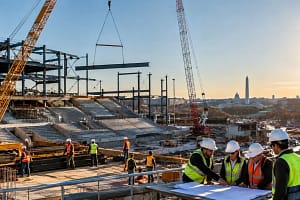
On September 14, 2026, the Royals selected Mortenson | McCownGordon and JE Dunn to build a new 1.25-million-square-foot open-air stadium with about 34,000 seats as part of a broader Ballpark District at Crown Center, according to the club’s official announcement. The team described the broader plan as a $3 billion development including the stadium, retail, hospitality, public spaces, and team offices.
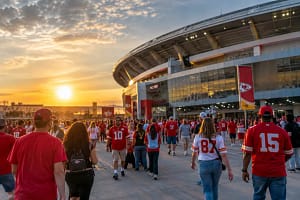
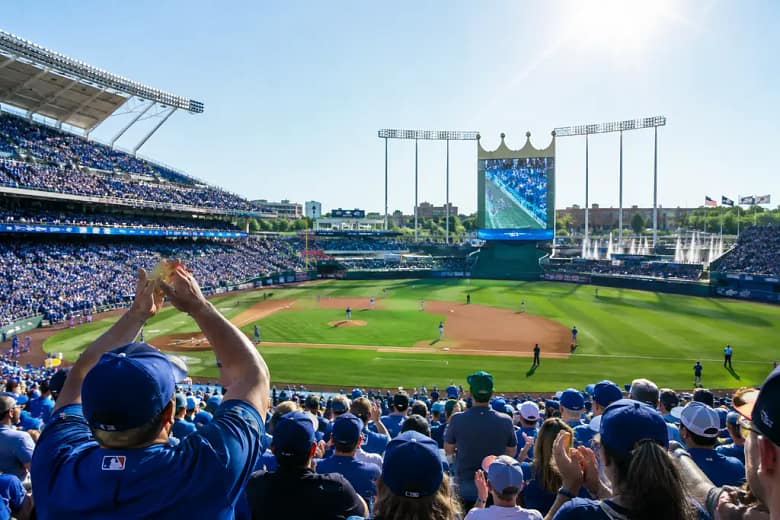
For fans, Royals Stadium Funding now ties ballpark design to downtown development. A 34,000-seat venue would be smaller than many older multipurpose-era baseball settings, which can support a more intimate game-day feel if pricing, access, and transit are handled well. But a smaller venue can also put pressure on affordable ticket inventory if demand rises. The project’s social value should be judged not only by premium spaces and district spending, but by whether Kansas City residents can still feel that the team’s new home belongs to them.
Public Commitment And Private Share
On August 20, 2026, the City Council approved an ordinance for a $600 million Kansas City commitment tied to the stadium and district project, with $90 million designated for infrastructure and $510 million for city-supported bonds, according to the city’s framework notice. Research materials also put the total stadium, infrastructure, and development cost at about $1.9 billion, or about $2.05 billion when financing is included. Public sources from the city and state were listed at about $1.14 billion, with the Royals and private entities contributing about $760 million to $911 million.
Those figures create a public accountability test. A team’s venue can be a civic asset, especially when it supports jobs, youth baseball, public space, and cultural institutions. Yet public bonds still have repayment risk. Under the described arrangement, Kansas City would be responsible if district revenues and redirected taxes fall short of debt service. That risk should stay visible through each stage of the project, not only during approval votes.
For readers tracking the finance side in more detail, this site has also examined stadium funding and Kansas City risk through the lens of bonds, jobs claims, and fan accountability.
Economic Development Claims And Fan Accountability
Jobs, Timelines, And The March 2030 Target
Project materials described construction beginning in mid-2027, with the stadium largely complete by December 2029 and the first Royals home game in the new ballpark set for March 2030. That timeline matters because it creates a narrow window for procurement rules, workforce training, construction monitoring, and public reporting before opening day becomes the dominant story.
The development was projected to generate about 16,000 construction job-years across the build period and about 2,275 permanent jobs once the stadium and district are operating. Those are meaningful projections, especially in a sports project that includes retail, hospitality, public spaces, and team offices. Still, job-years are not the same as permanent individual jobs, and permanent job counts do not by themselves tell residents about wages, benefits, scheduling stability, or advancement.
As an advocate for fair treatment in sports economies, I see the labor piece as central. Players are not the only people who make game day possible. Construction workers, ushers, concessions staff, cleaners, security teams, youth coaches, and nearby service workers all sit inside the same baseball economy. If the district is billed as civic development, then workforce training and prevailing wage commitments need public follow-through.
Tax Increment Financing And Revenue Risk
The funding structure included tax increment financing concepts tied to the new district. Research materials described redirected new taxes from the stadium district, including half of the increase in sales and earnings taxes within the district for 23 years; several existing taxes plus a new sales tax of up to 1% for 30 years; and revenues connected to restaurant and gaming activity, parking, and nearby development.
That model links repayment to the district’s economic performance. If the district attracts strong year-round activity, the financing structure has a better chance of meeting its targets. If revenues underperform, the city’s exposure becomes the harder question. This is where sports-first analysis should be careful. A winning team, a strong schedule, rivalry series, concerts, and postseason games can all change the feel of a district, but none should be treated as guaranteed revenue. Public officials and the club should report actual collections, debt service, and district performance in plain language once the project is active.
Community Stakes In Royals Stadium Funding
The $55 Million Community Agreement
The Community Impact Partnership Agreement was described as at least $55 million over 30 years, with the possibility of a 40-year lease term. The supported programs included homelessness work, arts, the Negro Leagues Baseball Museum, youth sports, improvements to Washington Square Park, and a ticket discount program for Kansas City residents. Research materials described the package as equal to about nine cents in community benefits for every dollar of the city’s commitment.
The structure included $24 million paid up front, with funding identified for the Housing Gateway homelessness initiative, the Negro Leagues Baseball Museum, and a rail study connected to Union Station. It also included at least $1.03 million annually for other programs, adjusted for inflation with a 2% annual cap. That annual structure is useful because it keeps community obligations alive after ribbon cuttings and opening ceremonies. The concern is scale: a large public commitment needs benefits that residents can see and measure over time.
Culture, Youth Sports, And Public Access
The agreement included $14 million for Kansas City’s One Percent for the Arts program across the lease, supporting public art acquisition, installation, and maintenance. It also included a firm $5 million commitment to the Negro Leagues Baseball Museum, along with free public admission in February and continued student field trips. In baseball terms, that cultural commitment matters. Kansas City’s baseball identity is not limited to the current MLB club; it is also tied to the history of Black baseball, civic memory, and youth learning.
Youth sports commitments should be watched with the same care. Access to baseball has become harder for many families because equipment, travel teams, and facility costs can create barriers. If the new district helps fund youth sports, the best measure is not a press release. It is whether more children in Kansas City can play, learn, and stay connected to the game without family income acting as the first gatekeeper.
The best test of Royals Stadium Funding will be whether public access survives the move downtown. Washington Square Park improvements and free year-round programming can help, but only if programming is truly public, transportation is workable, and local residents are not treated as background scenery for a private entertainment district.
Governance Questions Before The 2030 Home Opener

What Residents Should Be Able To Track
Between October 27, 2026, and the targeted March 2030 first home game, Kansas City residents should have access to clear reporting on cost changes, bond repayment assumptions, construction hiring, community benefit payments, and public-space obligations. The project has too much public money attached to rely on trust alone. The city and team can build confidence by publishing easy-to-read updates that compare promises with actual outcomes.
- Whether the $90 million infrastructure allocation stays within defined public needs.
- Whether city-supported bonds remain within the approved repayment framework.
- Whether construction jobs meet prevailing wage and workforce training commitments.
- Whether the $24 million up-front community funding is delivered on schedule.
- Whether annual community payments remain visible after the stadium opens.
Why The Sports Case Still Matters
The Royals’ stadium decision is ultimately about baseball’s place in Kansas City. A downtown ballpark can give the club a new identity, strengthen game-day energy, and connect baseball to other civic spaces. It can also strain public trust if costs rise, benefits are hard to verify, or ordinary fans feel priced out of the experience they helped fund.
That tension is not anti-stadium. It is pro-accountability. Fans can want a strong MLB franchise and still ask whether public money is being handled responsibly. Residents can support baseball and still insist that homelessness programs, arts funding, youth sports, park access, and worker protections are not treated as side items.
Royals Stadium Funding And Community Trust
By late October 2026, the new Royals ballpark plan had moved from concept to civic commitment. The builders were selected, the city had approved a $600 million framework, and the community agreement had identified specific public-facing programs. The project’s promise is real enough to take seriously. So is the risk.
The fair standard is simple: Kansas City should judge the deal by what is delivered, not what is projected. If the ballpark district opens in March 2030 with transparent finances, real public access, visible cultural investment, and measurable community benefits, it can strengthen the bond between the Royals and the city. If the public carries the risk while benefits remain hard to verify, the stadium will face a trust problem no scoreboard can fix.