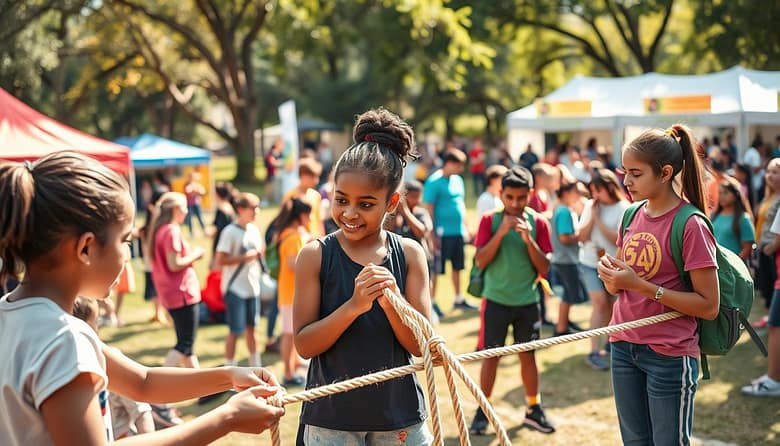
Imagine a playing field where the final score isn’t the most important result. Today’s innovative gatherings are redefining the game.
They use athletic competition as a powerful, neutral platform. This space allows for open discussion on critical topics that shape young lives.
At their core, these events fuse sport with education. Specialized workshops build essential life skills like communication, leadership, and critical thinking.
Sports naturally teach perseverance, teamwork, and hope. Structured programs amplify these lessons for holistic growth.
This approach aligns with global initiatives recognizing sport for development. The goal is to build confidence and foster lasting community growth.
Mentors and Alumni Speakers
Empowerment is shown, not just talked about, through the work of role models and past participants. They offer a real-life example of youth leadership. This turns the festival into a place for growth and learning.
At the heart of this is the athletic coach, an invitational leader. This idea, backed by the ILO, means a coach who helps young people reach their best. They teach skills and guide in life.
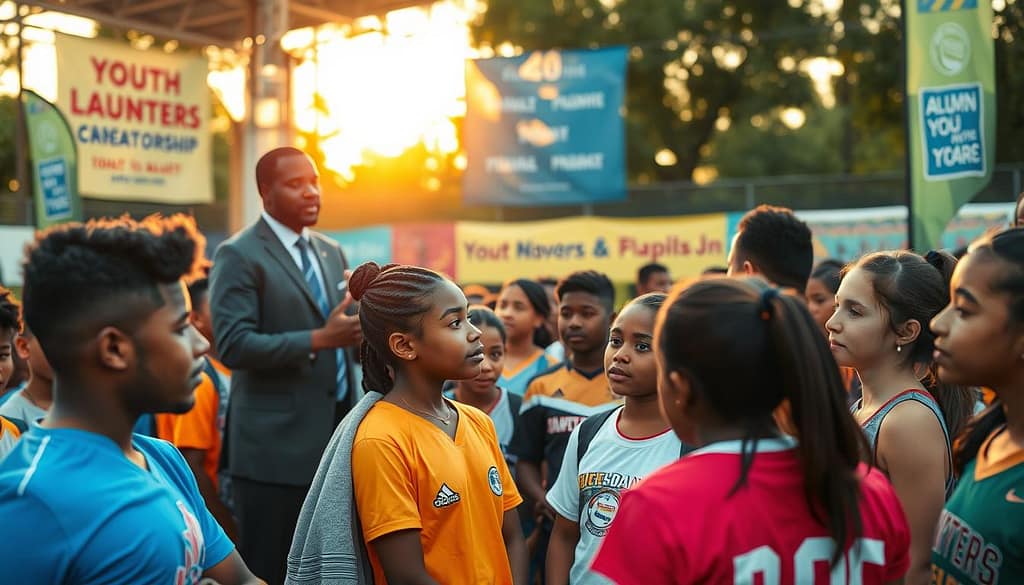
Coaches at these events do more than teach sports. They mentor, talking about integrity, resilience, and planning for the future. This mix of sports and life lessons builds strong character. It helps young people take on roles in their communities.
Alumni speakers add a special touch to the event. They share their journey from passion to profession. Their stories cover:
- Navigating academic and athletic balance
- Translating team discipline into career success
- Overcoming personal setbacks and failures
- Identifying and seizing leadership opportunities
These stories make big ideas like “career development” seem real and reachable. They show a clear path from the festival to making a difference, aligning with UN goals for sport and development.
Structured mentorship programs make these moments count. Instead of random meetings, there are planned sessions and workshops. This creates a safe space for deep conversations and advice.
The result is a cycle of inspiration. Participants see leadership in their mentors and alumni. They then inspire others, creating a lasting culture of positive influence and youth leadership.
Parent & Teacher Engagement
Effective Social Emotional Learning (SEL) needs everyone working together. Parents and teachers must join forces. This way, the lessons of respect, fair play, and teamwork learned in sports can grow at home and in school.
Sports teach us important values and life skills. When parents and teachers support these lessons, it makes a big difference. It turns a sports event into a journey of learning that never stops.
Sports are key for keeping our bodies and minds healthy. Being part of a team helps us feel connected and fight loneliness. When adults support this, it helps kids link their sports to their emotional and social growth.
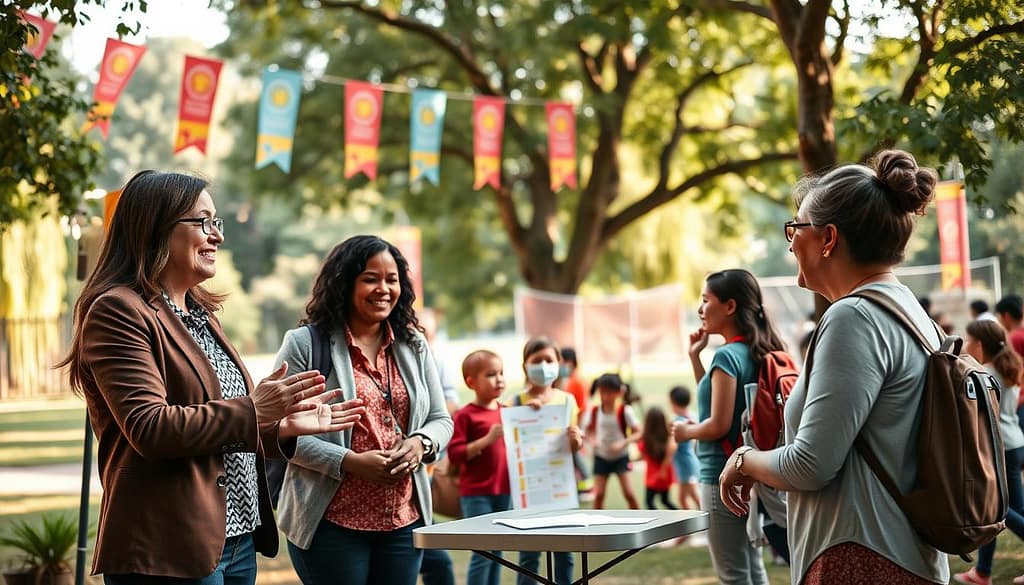
Getting parents and teachers involved is important. Before the festival, workshops help everyone understand SEL goals. After, debrief sessions offer ways to keep the conversation going. Newsletters or online portals keep everyone updated and involved in the child’s journey.
| Engagement Method | Primary SEL Focus | Key Implementation Partners |
|---|---|---|
| Pre-Event Orientation Workshops | Self-Awareness & Relationship Skills | School Counselors, Festival Organizers |
| Integrated Communication Plans | Responsible Decision-Making | Teachers, Parent-Teacher Associations |
| Post-Event Reflection Activities | Social Awareness & Self-Management | Parents, Coaches, Community Leaders |
This teamwork is like successful partnerships around the world. It makes sure the festival’s impact goes beyond winning games. By working together, schools, families, and sports groups support every young athlete.
This support is key for inclusive play and feeling part of a community. When everyone in a child’s life is on the same page, the impact is lasting and powerful.
Safeguarding and Inclusion
Creating strong safeguarding and inclusion plans makes sports festivals more than just games. They become places for growth and community building. This ensures every young athlete feels safe and supported.
Having detailed safeguarding policies is key. These policies help prevent injuries and harassment. They also teach important life skills like setting boundaries and solving conflicts.
Inclusion goes beyond just physical access. It’s about welcoming everyone, no matter their abilities or backgrounds. This builds empathy and teamwork. It makes everyone feel like they belong.
Safe and inclusive places help young people grow in many ways. They learn skills like communication and teamwork. These skills are important for the future.
Following international standards shows you care about safety and inclusion. Look for frameworks like the Council for Responsible Sport Certification. It helps make events better for everyone.
Putting safeguarding and inclusion at the heart of a festival does more than keep people safe. It builds resilience, respect, and leadership. These are the life skills young people need to make a difference in the world.
Outcome Surveys and Longitudinal Follow-Up
Using outcome surveys and keeping in touch with alumni helps programs show their impact. They prove how festivals build young leaders who are resilient and ready for work. This method gives solid evidence of a festival’s success.
Measuring success starts with surveys given before and after the event. These surveys check if young people have improved in important skills. For example, they look at how well they can work together and solve problems, as studied in research on sport and development.
They track progress in:
- Core Skills: Communication, teamwork, and problem-solving.
- Soft Skills: Resilience, self-confidence, and goal-setting—direct indicators of youth leadership development.
- Attitudinal Shifts: Changes in participants’ outlook on education, community involvement, and future careers.
The real test of empowerment is in long-term results. By following up with participants over years, we see lasting changes. These changes show how sports lessons help in school, work, and leading communities.
Looking at this data shows how local programs fit into big goals like the Sustainable Development Goals. It proves that sports programs help with education, equality, and stronger communities. This proof is key for keeping support for young people.
Lastly, survey and follow-up results help improve programs. They show which parts of the festival work best for youth leadership. This lets festivals get better with each new edition.
Scaling to a National Circuit
Local Youth Empowerment Sports Festivals show the way to grow. Moving to a national level is the next big step. It turns single events into a lasting effort to help young people everywhere.
Looking at global efforts gives us a guide. The ILO’s work in East Africa and Latin America is a great example. They partnered with sports ministries and companies like Nike to grow. A national circuit does the same, using media and online platforms to get more people involved.
Technology is key to making events more accessible. Streaming games live and using apps for sign-ups help everyone join in. This way, even those far away can take part and learn.
At the core of this growth is a focus on SEL. Making sure Social Emotional Learning is part of every event keeps the mission strong. It means young people everywhere can develop important life skills, no matter where they are. A national sports circuit focused on SEL can change a generation, showing that winning is more than just a game.