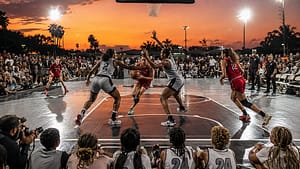
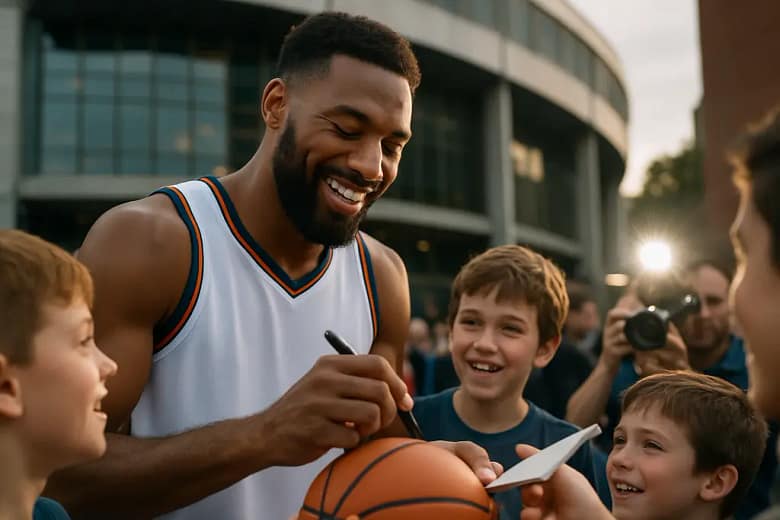
Post-Trade NBA Rosters were reshaped by major July 2026 moves, and the coaching impact is less about headlines than about who can absorb minutes, defend multiple positions, and stay healthy through long stretches of the schedule. As of September 6, 2026, the most supported analysis is roster-based rather than results-based: these groups had changed on paper, but regular-season lineup data was not yet available.
The clearest sports-first question is whether each coaching staff has enough defined roles behind its stars. A trade can add elite talent and still create pressure points if the bench lacks size, shooting, point-of-attack defense, or experienced wings. From an athlete advocacy view, those gaps matter because they often become extra minutes for starters, rushed development for young players, or tighter rotations that leave little margin for rest.
What Post-Trade NBA Rosters Changed
On July 6, 2026, Milwaukee traded Giannis Antetokounmpo and Bobby Portis Jr. to Miami for Tyler Herro, Jaime Jaquez Jr., Kel’el Ware, Kasparas Jakučionis, draft assets, and rights tied to Nate Ament, a move detailed by NBA.com. That single transaction changed two depth charts in opposite ways: Miami added a top-tier frontcourt force, while Milwaukee moved from a star-centered structure toward a younger, broader roster.
Post-Trade NBA Rosters And Role Clarity
Milwaukee’s coaching task became more developmental after the deal. Taylor Jenkins, hired by the Bucks on April 30, 2026, took over a team no longer built around Antetokounmpo as the automatic pressure point. The roster now included more players who needed defined offensive touches, defensive responsibilities, and late-game usage. That does not mean the Bucks lacked talent; it means the first coaching challenge was clarity. Herro, Jaquez, Ware, and Jakučionis entered a setting where role discovery could carry as much weight as any single set play.
Miami’s challenge moved in the other direction. The Heat could line up Giannis with Bam Adebayo, Andrew Wiggins, Norman Powell, and Davion Mitchell, but reported depth concerns centered on a shortage of proven wings and backup centers, as noted by Yahoo Sports. That is the trade-off coaches often face after a major consolidation move: the starting group can gain power, while the bench becomes more dependent on precise matchup use and careful minute planning.
Philadelphia’s Star-Heavy Depth Test
Philadelphia created a different version of the same coaching problem. On July 6, 2026, the 76ers traded for Jaylen Brown, sending Paul George and multiple picks to Boston. On July 27, 2026, they signed LeBron James in free agency. Their projected core then included James at age 41, Brown, Joel Embiid, Tyrese Maxey, and VJ Edgecombe, with Dean Wade, Anfernee Simons, Ariel Hukporti, Caleb Love, and Rayan Rupert listed among later depth additions.
That group gave Nick Nurse more lineup choices, but not an automatic rotation answer. With several high-usage players, the staff had to balance touches without flattening defensive effort. Brown’s August 6, 2026 introduction in Philadelphia included a stated willingness to sacrifice individual scoring for winning. That matters because role acceptance is not a soft issue. It affects shot selection, transition defense, screening, spacing, and how comfortably a coach can stagger stars without creating a second unit that lacks rhythm.
Coaching Strategy Starts With Depth
These Post-Trade NBA Rosters did not answer every basketball question. They moved the pressure from acquisition to implementation. Coaches had to decide who closes games, who protects stars from excess minutes, and which young players can be trusted when matchups become more physical. Without regular-season evidence as of September 6, 2026, any claim about which approach would work best would be premature.
Minutes Are A Basketball And Health Variable
Depth is often discussed as a competitive issue, but it is also a working-conditions issue for athletes. If Miami lacked enough proven frontcourt reserves behind Giannis and Adebayo, Erik Spoelstra’s staff had to avoid solving every problem by stretching its best players. If Philadelphia’s stars all needed touches, Nurse had to protect against fatigue that can show up first in defensive rotations rather than box-score production. If Milwaukee leaned into youth, Jenkins had to develop players without asking them to carry responsibilities before they were ready.
Load management is sometimes treated as a public-relations debate, yet coaches experience it as a rotation design problem. Rest is easier to defend when the eighth, ninth, and tenth players have defined jobs. It is harder when every non-star minute changes the team’s identity. The best depth charts give coaches options that protect both the scoreboard and the athlete.
Scheme Choices Follow Personnel
Miami’s roster construction suggested more frontcourt force with Giannis and Adebayo, but the bench questions made wing coverage a key coaching issue. Philadelphia’s lineup offered shot creation from several areas, but the staff needed to maintain spacing and defensive balance. Milwaukee’s younger roster placed more emphasis on teaching principles: balanced scoring, defensive cohesion, and repeatable late-clock actions rather than defaulting to one dominant star.
Orlando offered a quieter contrast. Sean Sweeney, hired June 1, 2026, inherited a largely intact roster and faced a different responsibility: adapting tactics to greater expectations rather than rebuilding the depth chart. That kind of job can be just as demanding. When the roster stays stable, improvement has to come from sharper player usage, stronger defensive versatility, and better use of size.
High-Usage Lineups And Athlete Advocacy
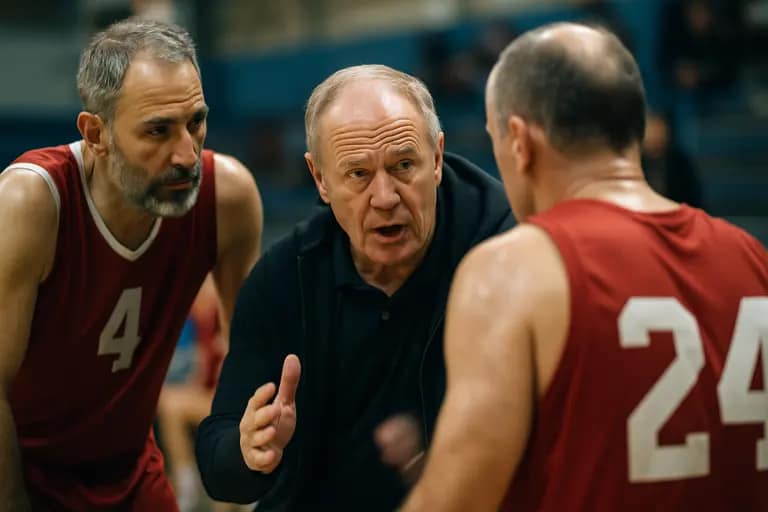
Star accumulation changes locker-room math. Coaches cannot simply ask every accomplished player to do less without explaining why. The athletes need role definitions that respect their skills and protect their bodies. That includes who initiates offense, who defends the toughest wing, who screens, who spaces, and who carries second-unit possessions.
Sacrifice Has To Be Structured
Brown’s willingness to sacrifice scoring in Philadelphia was meaningful, but sacrifice works best when it is attached to a plan. If one star reduces shots, those possessions need to become better team possessions, not random touches. If LeBron James at age 41 is used selectively, the rotation has to create value when he sits. If Embiid anchors the half-court offense, spacing and defensive transition coverage have to be protected around him.
The same principle applies in Miami. Giannis can pressure the rim, but the Heat still needed enough shooting, wing defense, and backup size to keep his minutes from becoming the answer to every matchup. A coach advocating for athletes should treat elite players as people with workloads, not just solutions to lineup gaps.
Younger Players Need Defined Development Lanes
Milwaukee’s post-Giannis roster placed Jaquez, Ware, Jakučionis, and other young pieces in a brighter developmental frame. That can be healthy if the staff gives them clear assignments and measured responsibility. It can be damaging if every mistake becomes a referendum on a franchise reset. The difference is coaching structure: film work, stable minutes where earned, and communication about what each player must improve.
For fans planning trips around early-season roster evaluation, team depth can shape which games feel most revealing: back-to-backs, road swings, and matchups against larger frontcourts often expose bench balance. For broader sports travel reading, Bass Lake Roadhouse offers a destination-focused perspective within the same network.
Post-Trade NBA Rosters And Athlete Support
The most reliable understanding of these roster moves is practical. Miami gained the biggest single player in the July 6 trade, but depth questions followed. Milwaukee gained youth and flexibility, but its coaching staff had to build role clarity after losing its former centerpiece. Philadelphia assembled a star-heavy group and then faced the task of turning sacrifice into structure. Orlando’s case showed that even continuity requires adjustment when expectations rise.
The strongest reading of Post-Trade NBA Rosters is that coaching strategy now begins deeper than the top five. Teams need enough reliable players to protect stars, develop younger athletes responsibly, and maintain defensive standards when rotations widen. Until games supply lineup evidence, the cautious view is best: the trades changed possibilities, but coaching will decide how sustainable those possibilities become for the athletes asked to make them work.