
Fan planning in college football now sits at an unusual point: attendance demand is rising, yet the habits that bring people to stadiums are changing. Late-August reporting projected the 2026 FBS season to approach 39 million fans, with the first week expected to send more than 1 million people through turnstiles when 10 of the nation’s 11 largest stadiums hosted games, according to Axios. That is not a signal for schools to relax. It is a reason to plan with more care.
The sports story starts with the game: kickoff times, opponent quality, rivalries, student sections, alumni travel, and the emotional pull of campus Saturdays. The social impact story starts right beside it. A packed stadium can lift bars, hotels, transit demand, security costs, and neighborhood pressure. It can also expose whether athletic departments have planned for families, older fans, disabled fans, students with limited budgets, and athletes whose visibility is increasingly tied to marketing.
As Aaron Brooks has often argued in athlete-rights and sustainability conversations, growth should not be treated as success by itself. The better measure is whether schools can educate fans, protect athlete dignity, reduce waste, and share benefits with their communities while still delivering the intensity that makes college football distinct.
Attendance Growth Is Not A Simple Signal
College football’s attendance recovery and growth deserve respect. The research notes show that live attendance increased 7.3% year over year in 2025, while the total fanbase grew 4.6% and television viewership rose 5.0%. Total combined live attendance for college sports reached 40.2 million in 2025. Those figures suggest that in-person demand and media demand can rise together, rather than one replacing the other.
Fan Planning Beyond The Gate
The challenge is that attendance totals do not explain who benefits, who struggles to attend, or what game day costs a host community. A full house can still hide poor transit coordination, high concession prices, long entry lines, inaccessible seating routes, or limited shade and water access during early-season heat. Sound fan planning has to treat the crowd as people with different needs, not just as a number on a ticket report.
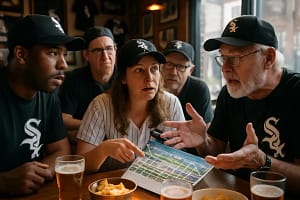
That matters because college football audiences are not one block of identical consumers. Research in the notes says Gen Z shows strong interest in the sport, while Americans aged 45 and up are more likely to say they are very likely to watch games during the 2026 season. The same research says 23% of likely viewers planned to make game days social events, including 12% at bars or social venues and 10% at someone else’s home. Schools reading those signals should not assume every fan wants the same Saturday. Some want the stadium. Some want campus-adjacent gathering spaces. Some want a reliable social setting without the full cost of a ticket.
Attendance Should Be Read With Access Data
The next step for athletic departments is not simply selling more seats. It is studying how people arrive, how long they wait, what they spend, and what keeps them from returning. That includes student attendance patterns, alumni travel friction, family affordability, and transportation options. It also includes asking whether revenue plans align with environmental responsibility: fewer single-use materials, better waste sorting, and realistic public transit coordination can make high-attendance Saturdays less extractive for host neighborhoods.
Rivalries And Schedule Changes Shape Demand
College football attendance is built on memory as much as marketing. Rivalry dates tell families when to gather, give alumni a reason to travel, and create traditions that can last for decades. Conference realignment and schedule changes have disrupted some of those patterns. The Apple Cup between Washington and Washington State was moved from its traditional November slot to early September in 2026, a shift reported in coverage of affected rivalries by The Washington Post.
Tradition Carries Operational Value
That kind of change is not only sentimental. It affects hotel demand, alumni calendars, student energy, and local staffing plans. A late-November rivalry can anchor a holiday weekend. An early-September rivalry may face different weather, academic timing, and travel behavior. Schools that treat rivalry changes as only a schedule issue risk missing the larger planning burden.
There is a lesson here for administrators: traditions are assets, but they are also community agreements. If a date changes, athletic departments should explain why, prepare fans early, and gather feedback after the event. That process is not about resisting change for its own sake. It is about respecting the people who fund, staff, play in, and sustain these games.
Marketing Can Help, But It Cannot Replace Meaning
Schools and partners are also using broader campaigns tied to NIL, player movement, and realignment. The research notes point to Dr Pepper’s “Fansville” campaign entering its ninth season with storylines around transfer portal drama and player movement. Campaigns like that can reflect the sport’s current themes, but they should not become a substitute for local connection. Fans know when tradition is being honored and when it is being repackaged.
Revenue Strategy Moves Outside The Stadium

Mixed-use districts have become a major part of the response. The research notes identify projects or concepts at Tennessee, Iowa State, Florida State, Kentucky, and Georgia, with schools seeking revenue and daily-use activity beyond six or seven home Saturdays. Tennessee’s Neyland district was described as roughly $368 million, Iowa State’s CyTown was expected to generate about $184 million over 30 years, and Florida State’s College Town was already generating about $3 million annually in rent.
Districts Can Spread Benefits Or Concentrate Them
These projects can make sense if they reduce the financial pressure on tickets and create places people can use outside game day. Restaurants, retail, hotels, green spaces, and safer pedestrian routes may improve the experience for fans and neighbors. Kentucky’s proposed fan entertainment district around Kroger Field, for example, included design concepts for retail, restaurants, walking green spaces, and improved pedestrian access, according to the research notes.
Yet the public should ask who carries risk and who receives returns. If a university holds less than 25% exposure in certain components, as noted in the Tennessee example, that structure may limit institutional downside in some areas. But every project still has community effects: traffic, housing pressure, labor conditions, policing, and environmental load. Better fan planning means publishing clear goals and then reporting what happened after opening, not only celebrating renderings before construction.
For more on how crowds affect hotels, bars, transit, and local spending, see this related analysis of college football attendance and city economies. The same question appears across sports: how much of the activity is new local gain, and how much is spending that moved from one part of town to another?
Athlete Rights Belong In The Revenue Conversation
NIL has also expanded the ways schools and partners reach fans. The research notes say NIL activities involving female athletes rose 123% year over year in the most recent fiscal year, from about 2,136 to 4,772 deals, while multimedia rights partnerships exceeded $300 million across sports. That growth can bring more athletes into public campaigns, including women athletes who have historically received less commercial attention.
But athlete participation should be based on consent, fair compensation, and educational support. A fan engagement campaign that uses athletes without teaching them contract basics, tax responsibilities, and brand risk is not athlete-centered. Schools can lead by pairing NIL opportunities with plain-language education, independent advice access, and policies that respect academic and training demands.
Fan Planning In College Football
The most experimental example in the research notes is Akron’s plan to allow one season-ticket holder to co-script and call plays for a full drive during its home opener against Robert Morris on Saturday, September 12, 2026. It was designed to boost ticket sales, engagement, and fan participation. It will draw attention because it crosses a line fans often joke about: believing they can call the game from the stands.
Participation Needs Guardrails
That kind of promotion should be judged carefully after it happens. If coaches and players retain the authority needed to protect competitive integrity and athlete safety, the event may function as a one-time engagement tool. If it pressures players into a stunt that affects preparation or dignity, it would deserve criticism. The point is not to reject new ideas. It is to set guardrails before novelty becomes the plan.
For athletic departments, the better model is a balanced scorecard. Attendance matters. So do student access, athlete welfare, neighborhood impact, transit performance, waste reduction, and long-term financial exposure. A stadium can be full and still fail some of those tests. A smaller crowd can still be a success if it is safer, more inclusive, and more sustainable.
Sports culture also benefits from cross-sport comparison. Baseball, for example, has long wrestled with tradition, calendar rhythm, and venue-centered identity; readers can find related insights through resources like Books on Baseball. College football’s task is different because of campus life and the short home schedule, but the planning lesson is similar: rituals work best when institutions protect the people who keep them alive.
The strongest fan planning strategy for college football is not just a bigger district, a louder campaign, or a larger crowd. It is a transparent plan that starts with the sport, respects athletes, measures community impact, and gives fans a reason to come back without asking host communities to absorb all the costs.