Team USA Coaching entered the 2026 World Baseball Classic with a clear educational burden: turn elite professional talent into a tournament-ready group within a short, high-pressure window. As of August 25, 2026, the event had already passed, so the most responsible reading is retrospective. The available record supports an analysis of how the staff was built, what expertise it carried, and how those roles were positioned to guide player development before and during the Classic.
For athletes, development in a national-team setting is not just about swing paths, pitch shapes, or defensive footwork. It is also about communication, role clarity, preparation standards, and respect for the physical demands placed on players who came from major-league organizations. A staff with deep professional experience can help, but only if that experience is applied in ways that protect players and teach them efficiently.
USA Baseball announced on April 10, 2025, that Mark DeRosa would manage the United States for a second straight World Baseball Classic after leading the team to a silver medal in 2023. The same announcement named Michael Hill as general manager and listed a 10-member coaching staff that combined for 110 big-league seasons, 24 All-Star appearances, 11 World Series rings, more than 8,500 hits, and 1,025 home runs USA Baseball announcement. Those numbers do not prove developmental success by themselves, but they show why the staff was positioned as a teaching group rather than a ceremonial bench.
Why Team USA Coaching Mattered For Development
The central challenge for the 2026 staff was compression. Pool B play was scheduled for March 6-11, 2026, at Daikin Park in Houston, Texas, within a broader March 5-17 tournament window. That format left little room for slow instruction. Coaches had to translate experience into direct, usable feedback for pitchers, hitters, defenders, and baserunners.
Team USA Coaching As A Teaching Staff
The value of Team USA Coaching rested in the way specialized roles could touch different parts of player learning. DeRosa’s return offered managerial continuity from 2023. Michael Hill’s appointment as general manager mattered because he had been MLB’s senior vice president of on-field operations and workforce development since September 2024. That background aligned with the idea that roster construction and development planning are connected, not separate tasks.
Hill described the roster-building process before the event as “all hands on deck” and said the group treated “the entire country as our playing field.” He also said Team USA did not plan to commit to a final roster until February 2026, giving players more time to show readiness MLB.com report. That approach was development-first in a practical sense: it kept evaluation open closer to the competition rather than locking in names too early.
Why Experience Was Not Enough On Its Own
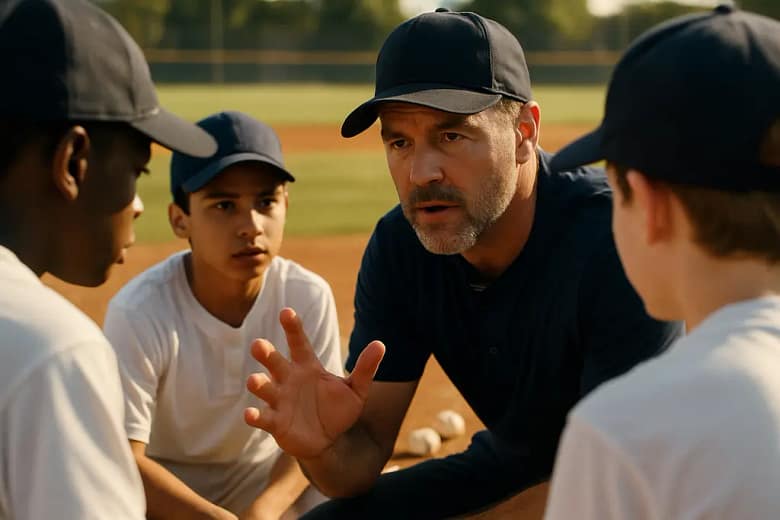
Experience can help players if it becomes clear instruction. In a tournament setting, a player may need one direct cue before an at-bat, one defensive reminder before a late inning, or one honest conversation about bullpen usage. The staff’s professional résumé created credibility, but player development depended on how well that credibility became trust. From an athlete-rights point of view, that distinction matters. Players deserve preparation that is clear, efficient, and grounded in their roles, not vague appeals to patriotism or reputation.
Role Clarity Across The Staff
A national-team staff works best when players know who owns each part of their preparation. The 2026 group had defined lanes: pitching, hitting, bench management, base coaching, bullpen planning, and assistant leadership. That structure is central to development because it reduces mixed messages during a condensed event.
Pitching And Bullpen Instruction
Andy Pettitte returned as pitching coach with an 18-year MLB career that included five World Series titles and 256 wins. The available record also connected him to prior USA Baseball work and prospect development. For young or less internationally experienced pitchers, that profile gave the staff a teacher who had lived through postseason pressure and could frame preparation around execution rather than noise.
David Ross, listed as bullpen coach, brought a different but related teaching base. His experience as both a catcher and manager was relevant to pitcher communication, reliever readiness, and in-game adjustment. Fredi González, as assistant manager, added former MLB managerial experience. Together, those roles were positioned to support pitching depth and bullpen strategy without placing every decision on one voice.
Hitting, Baserunning, And Defensive Detail
Matt Holliday’s role as hitting coach gave the lineup a teacher with a .299 career batting average, 316 home runs, an .889 OPS, seven All-Star selections, and three prior Team USA appearances. That résumé was directly tied to offensive development, especially for hitters adjusting to the tournament environment and international pitching looks.
George Lombard and Dino Ebel, as first base and third base coaches, brought value in areas that can decide close games but rarely receive the same public attention as home runs or starting pitching. Their lanes included defensive fundamentals, baserunning, and situational awareness. In a short event, these details are not side work. They are part of the performance curriculum.
- Pitching instruction: preparation, sequencing conversations, and bullpen readiness.
- Hitting instruction: approach work, swing confidence, and adjustment to tournament pitching.
- Bench leadership: game flow, role communication, and situational teaching.
- Base coaching: baserunning decisions, defensive reminders, and pressure-point awareness.
Teaching Under A Short WBC Window
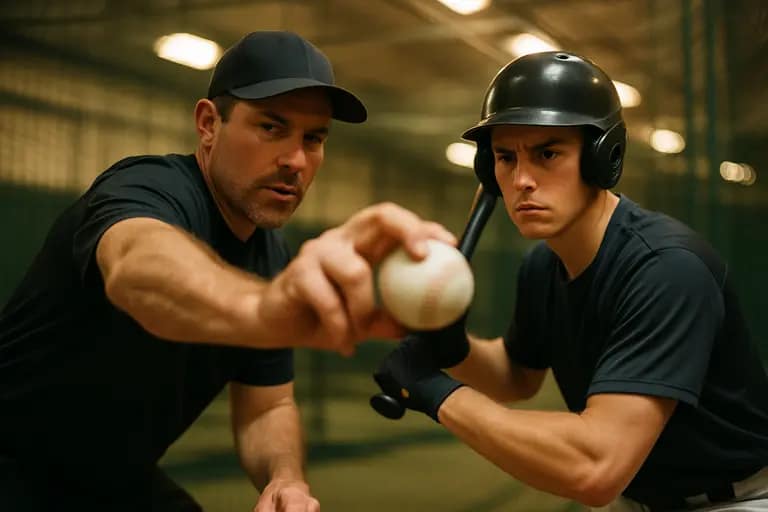
The 2026 Classic gave the staff a narrow period to convert plans into action. That matters because development is often discussed as if it only happens across long minor-league seasons or full major-league calendars. National-team baseball tests a different model: rapid teaching, clear trust, and fast application.
Short-Burst Development And Player Welfare
A short tournament window can sharpen learning, but it can also create strain if communication is poor. Coaches had to make sure players understood expectations without overloading them. That is where veteran teachers can help most. A pitching coach does not need to rebuild a major leaguer in March. A hitting coach does not need to remake an established hitter. The more responsible task is to identify what each player already does well and help that skill travel into tournament play.
This is also where sustainable sport practices meet player development. Sustainable competition is not only about facilities and travel; it is about not treating athletes as replaceable parts. Good national-team education respects workload, role clarity, and honest feedback. It also recognizes that players return to clubs after the event, so the development model should support careers beyond one uniform.
Education Beyond The Men’s National Team
The same development lens applies across baseball. National-team events can teach governing bodies how to create better visibility, stronger preparation, and fairer support systems. That conversation is also present around the Women’s Baseball World Cup, where planning and visibility are part of the broader education test for the sport.
For readers seeking connected sports insights and updates, Noticias BO offers comprehensive coverage on related events. The key point here remains baseball-specific: coaching staffs shape development most when they turn elite experience into player-centered instruction.
Team USA Coaching After The 2026 WBC
The lasting education value of Team USA Coaching should be judged carefully. The research available here verifies staff composition, prior credentials, leadership roles, roster-building timing, and the competition window. It does not provide a verified 2026 result or a public player-by-player development record, so any claim about direct performance outcomes would go beyond the evidence.
What can be said is more precise: Team USA built a staff with extensive playing and managing experience, assigned clear teaching roles, and left roster evaluation open until close to the event. Those choices were consistent with a development model built around readiness, not reputation alone. For a national team, that is a serious standard. It respects players by giving them experienced voices, defined channels of instruction, and a clearer path from selection to performance.
The broader lesson for baseball educators is that tournament coaching should not be treated as a temporary showcase. It is a short-form classroom. The 2026 staff’s strongest developmental case came from its mix of role clarity, lived experience, and willingness to keep evaluation active deep into the preparation cycle. That is the kind of leadership model worth studying across the sport.