

I used to think sports were just about winning and losing. But then I found out something amazing. Athletic excellence and making a difference are now a perfect pair.
Boris Gojanovic changed sports medicine in Geneva. The Paris Olympics cut carbon emissions by 54.6%. The UN’s Sports for Climate Action Framework is getting 270 sports groups to help the planet.
The Pond is more than a community project. It shows what happens when people start making change happen. This is like the legacy of athletes who’ve made a difference in history.
This isn’t just about nice stories. It’s about how sports are changing the way we connect with each other. They’re doing it one amazing initiative at a time.
Athlete Voices for Change
Remember when athletes just played their sport and collected endorsements? How quaint. Today’s sports stars are trading traditional celebrity for something far more valuable: credibility. They’re not just scoring goals anymore—they’re scoring environmental wins.
Take Envision Racing’s brilliant playbook. They’re not merely winning races; they’re collecting over 150,000 climate-positive pledges while doing it. This isn’t some PR stunt—it’s a masterclass in modern athlete activism that actually moves the needle.
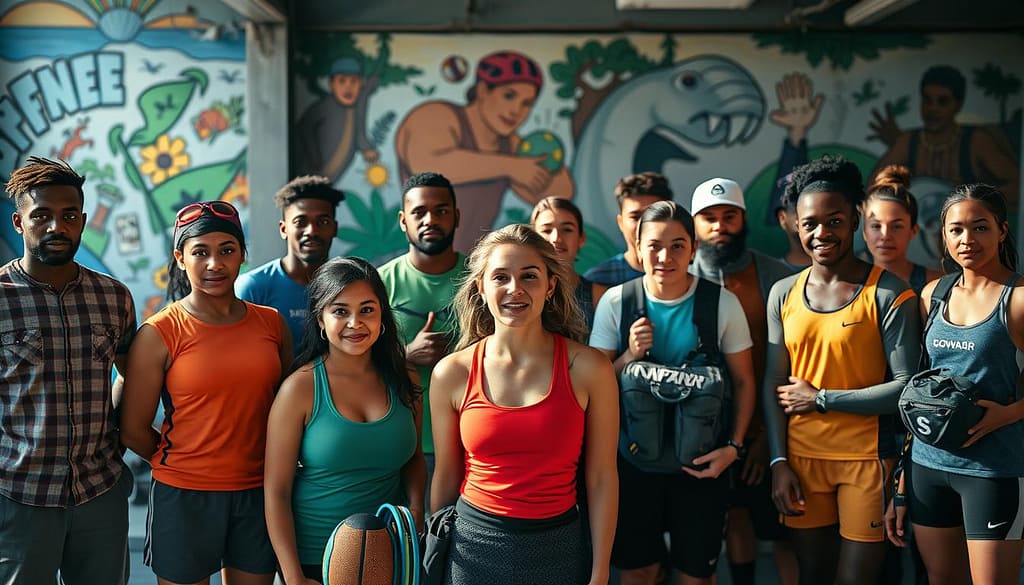
Gen Z fans are giving sports organizations an ultimatum: go green or go home. Only 12% would tolerate environmental negligence from their favorite teams. That’s not a minority—that’s a revolution waiting to happen.
This shift represents something deeper than athlete activism as a trend. It’s a fundamental recalibration of what we expect from our sports heroes. They’re using their platforms to make sustainability as mainstream as halftime shows.
The question isn’t whether athletes should speak up; it’s whether any sports figure can afford to stay silent in today’s climate-conscious arena. This evolution mirrors the broader social justice activism in sports movement that’s redefining athletic influence.
| Athlete Role | Traditional Approach | Modern Activism | Impact Level |
|---|---|---|---|
| Environmental Advocacy | Occasional PSA appearances | Integrated platform campaigns | 150,000+ pledges (Envision Racing) |
| Fan Expectations | Performance-only focus | 88% demand sustainability | Market pressure transformation |
| Brand Partnerships | Endorsement checks | Values-aligned initiatives | Credibility over celebrity |
| Career Legacy | Championships and records | Social and environmental impact | Generational influence shift |
This isn’t activism-lite. It’s athletes recognizing their microphone is actually a megaphone. They’re transforming from endorsers to educators, from celebrities to change-makers.
The beautiful part? This athlete activism doesn’t feel forced. It flows naturally from their platforms because today’s fans expect authenticity alongside athleticism. The era of silent superstars is racing toward extinction faster than a Formula E car.
Grassroots Movements
While superstar athletes get all the attention, real change is happening on the ground. Forget top-down orders – the most impactful sustainability initiatives come from below. They’re turning sports into green leaders.
The NFL Green program is a great example. It tackles huge waste issues head-on. They recycle, donate food, and even turn cooking oil into biodiesel. It’s a real change, not just a show.

Formula 1 is also making a big shift. They’ve cut down on miles by 40% and aim for 100% sustainable fuel by 2026. It shows that speed and green can go hand in hand.
The Paris Olympics took recycling to new heights. They built their track from recycled seashells. It’s a creative way to show that sports can be sustainable.
Modern stadiums now collect rainwater and use it wisely. They also use local, plant-based foods. This makes them better for the environment and the community.
These changes are more than just gestures. They’re a new way of thinking about sports. As shown in research on mega sporting events creating accessible legacies, starting small can lead to big changes.
The best part of these sustainability initiatives is that they work. They don’t sacrifice the fan experience. Instead, they make it better – with cleaner venues and healthier food.
From tracks made of recycled seashells to biodiesel from cooking oil, sports are finding that going green is the best upgrade. It’s good for the games we love and the planet we share.
Partnerships for Community Good
The biggest wins in sustainability aren’t on the field. They’re in boardrooms where unlikely partners team up. It’s like a fantasy league, but instead of players, they draft planet-saving strategies.
Earthly and Envision Racing are a great example. Their partnership plants real roots. They’ve planted 150,000 mangroves in Madagascar and counting. It’s not just corporate social responsibility; it’s actual responsibility.
The UN’s Sports for Climate Action Framework is another example. It sounds like jargon, but it’s real. Google, Meta, Microsoft, and Salesforce are working together. When tech giants collaborate, the game changes.
These partnerships are more than feel-good projects. They show nature-based solutions can cut emissions by up to 37%. That’s a big win, not just a small gain.
The shift is from looking green to being strategically green. The smartest organizations don’t just cut carbon. They build ecosystems of change that boost their social impact and create strong brands.
The most valuable partnerships aren’t about big checks. They’re about making a real difference. People remember who helped save the planet, not who sponsored the jersey.
Lessons for Global Change
Sustainability isn’t just a side hustle; it’s the main event. Katie Critchlow’s move from M&S Plan A to fungi-powered agriculture shows a truth. Doing less harm is not enough anymore.
The sports world gets it. When LeBron James opens a school or Megan Rapinoe fights for equal pay, they’re not just scoring points. They’re changing systems. These actions are not PR stunts; they’re blueprints for real change.
Using fungi compost in agriculture is not science fiction. It’s the future of reducing synthetic fertilizer use and healing our soil. The best sustainability efforts aim to rebuild, not just report better numbers.
The lesson is clear. The teams that will thrive are not just winners; they’re change champions. The most valuable trophy is a livable planet. And that’s a game worth playing.