
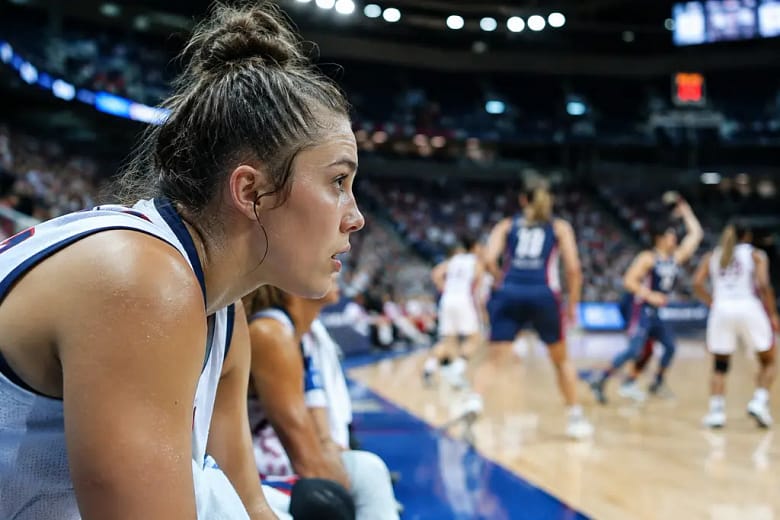
As of October 29, 2026, Bulls Fixture Congestion is more than a schedule note for Chicago. It is a direct test of roster construction, coaching rhythm, player recovery, and the club’s ability to protect performance standards across an 82-game NBA season. The 2026-27 regular season began on October 20, 2026, and runs through April 11, 2027, with every team playing 82 games, according to NBA schedule notes.
For the Bulls, the pressure is sharpened by timing. The franchise entered the season after a 31-51 finish in 2025-26, a 12th-place result in the Eastern Conference. The organization then changed leadership, naming Bryson Graham executive vice president of basketball operations on May 4, 2026, and hiring Tiago Splitter as head coach on June 15, 2026. That kind of reset gives a team a new teaching structure, but it also places demands on clarity, repetition, and trust. Dense scheduling reduces the amount of full-speed practice time available between games.
The roster also changed. Chicago added Nic Claxton, Norman Powell, Caleb Wilson, and Dailyn Swain, while Mouhamadou Gueye, Kam Jones, Nick Richards, Collin Sexton, and Anfernee Simons departed. The young group includes Caleb Wilson, Matas Buzelis, Josh Giddey, and Rob Dillingham, all listed in the research as 23 or younger. That matters because younger players often need game reps, film work, and role stability. The issue is not simply talent; it is whether the schedule gives the staff enough recovery windows to teach without overloading players.
Why Bulls Fixture Congestion Matters Now
The Bulls are dealing with 15 back-to-back sets in 2026-27, slightly above the league average of 14.2 back-to-backs. Chicago also has four back-to-backs in which both games are on the road, according to back-to-back tracking. That does not make their schedule the harshest in the league, but it places them in a narrow band where roster depth, travel planning, and recovery discipline become visible.
Bulls Fixture Congestion And The Back-To-Back Count
The first layer of the challenge is physical. Back-to-backs reduce the time available for treatment, sleep, scouting review, and individualized recovery. For a veteran such as Norman Powell, the question is not only minutes. It is how those minutes are distributed around travel, opponent quality, and defensive assignments. For a younger player such as Caleb Wilson, the concern is different: learning NBA pace while facing quick turnarounds and reduced practice time.
The second layer is tactical. New head coaches often need time to build defensive rules, late-game organization, substitution patterns, and lineup chemistry. Splitter took over on June 15, 2026, which gave the Bulls an offseason framework, but regular-season pressure tests what has actually been absorbed. Chicago’s early 1-4 record as of October 27-28, 2026, including a 39-21 third-quarter deficit against Boston on October 26, showed how quickly games can tilt when rebounding and defensive physicality fade.
Where The Schedule Compresses The Work
The Bulls’ longest road trip is scheduled for four consecutive away games from December 18 to December 23, 2026. Their longest homestand is scheduled for six straight home games from November 28 to December 16, 2026. Those stretches create different forms of stress. Road trips affect travel, sleep, and routines. Homestands reduce travel, but they can still compress preparation if the games come close together.
From an athlete-rights standpoint, the responsible standard is not to treat fatigue as a vague excuse. It should be treated as a planning variable. The league schedule is fixed, but teams still decide how they handle shootarounds, film length, recovery days, and developmental assignments. A young roster benefits when those choices are transparent and consistent.
Roster Construction Under Schedule Pressure
Chicago’s roster mix is not built around one age group. Claxton and Powell bring established NBA experience, while Wilson, Buzelis, Giddey, and Dillingham represent a younger core. That blend can help a team survive stretches with limited practice time, but only if roles are clear. Fixture pressure tends to reveal confusion. If defensive responsibilities are unclear, late rotations and missed box-outs become more costly on the second night of a back-to-back.
Veterans As Stabilizers
Veterans matter in compressed schedules because they can reduce the amount of instruction needed during games. A team facing a quick turnaround does not always have time to reteach coverage details in a long practice. Veteran communication can help younger teammates understand matchups, spacing, and possession priorities in real time.
That does not mean veteran minutes should simply rise whenever the schedule gets heavy. Sustainable player use is a leadership issue. Teams that respect recovery are better positioned to keep players available for the long season. The Bulls’ staff has to balance short-term lineup stability with the longer need to keep bodies fresh through April 11, 2027.
Young Players Need Repetition, Not Noise
The young core creates a separate challenge. Wilson entered as the No. 4 overall pick in the 2026 NBA Draft, while Buzelis, Giddey, and Dillingham are part of the under-23 group noted in the research. Their development depends on repeated situations: defending second actions, reading help coverage, spacing correctly after missed shots, and sustaining effort after halftime.
Against that backdrop, Bulls Fixture Congestion can interfere with the ordinary learning cycle. Coaches teach, players apply, film corrects, and practice reinforces. Dense stretches weaken the last two steps. The Bulls can still teach through walkthroughs and targeted film, but the margin for wasted possessions narrows.
Travel, Recovery, And Sustainable Team Practice

The travel demands noted in the research include more than 35,393 miles and 38 hours of time-zone shifts. Because the approved source set for this piece is limited, those travel figures should be read as schedule-context data rather than a league-certified fatigue model. Still, travel is a real workplace condition for NBA players, and any honest education piece on fixture load should treat it that way.
What Responsible Load Planning Looks Like
Load planning is often discussed only through the lens of who plays and who sits. That is too narrow. A sports-first approach should include the full workday: arrival time, sleep opportunity, treatment access, nutrition, film burden, and practice intensity. In a league where the schedule is public and measurable, teams can build plans that reduce avoidable strain without lowering competitive intent.
- Practice Design: Shorter, sharper sessions may be more useful than long floor work during dense stretches.
- Film Prioritization: Players need clear clips tied to the next opponent, not broad review that adds mental load.
- Recovery Access: Treatment and sleep planning should be part of schedule analysis, not an afterthought.
- Role Clarity: Young players handle pressure better when their assignments stay consistent across game clusters.
These are not soft concerns. They affect rebounding, transition defense, shot quality, and late-game decision-making. They also support sustainable sports practice, a standard that respects athletes as workers while still holding them accountable as competitors. For readers who follow broader sports culture and regional fan planning, Texas sports coverage offers related schedule-aware reporting across the same network.
What Bulls Fixture Congestion Requires
Bulls Fixture Congestion requires disciplined choices rather than dramatic claims. The Bulls are not facing an impossible schedule, but 15 back-to-backs, four road-road sets, a December road trip, and a new roster create a demanding setting. The team’s early 1-4 start as of October 27-28, 2026, adds urgency, but it does not by itself define the season.
The most useful way to evaluate Chicago is to track repeatable indicators. Are the Bulls finishing defensive possessions with rebounds? Are third quarters steadier after halftime adjustments? Are young players receiving clear roles even when the game calendar tightens? Are veterans being used in ways that protect both performance and availability?
Those questions keep the analysis grounded. They also place responsibility where it belongs: on organizational planning, coaching communication, player development, and schedule management. If Chicago handles those areas with care, the roster has a clearer path to withstand the crowded parts of the calendar. If not, the pressure points already visible in late October can keep showing up during the season’s heaviest stretches.