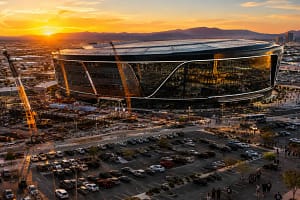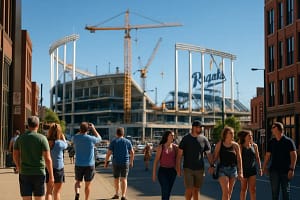

The Rays Stadium Deal moved from proposal to approved plan after Tampa City Council voted on August 27, 2026, and the Hillsborough County Commission gave clinching approval on August 28, 2026, according to WUSF’s county approval report. The approved package centers on a $2.361 billion ballpark and mixed-use district, with the Rays taking the largest private share and public funding capped. For baseball, the core issue is not just where the club plays. It is whether a long-term venue plan can protect fans, workers, neighborhoods, and public budgets while giving the franchise a stable home.
That balance deserves careful scrutiny. Stadium projects often arrive with large economic forecasts, civic branding claims, and promises of future activity. The stronger test is narrower: who pays, who bears risk, who gains access, and who is protected if costs or land pressures rise. In Tampa, those questions are now practical governance questions rather than campaign talking points.
Rays Stadium Deal Approval And Public Risk
The approved structure lists a total development cost of about $2.36 billion. The Rays’ commitment is reported at $1.37 billion, or roughly 58% of the total, with public entities capped at $876 million. Hillsborough County’s share is $796 million, while Tampa’s contribution is $80 million for public infrastructure such as streets and utilities rather than the stadium structure itself.
Rays Stadium Deal Funding Benchmarks
The Rays Stadium Deal stands out because the team is assigned responsibility for cost overruns and design or construction defects. That allocation matters. Cost overrun exposure is often where public stadium debates become most painful, especially if early estimates prove too low or infrastructure work expands. A public cap is only meaningful if the agreement’s enforcement terms are clear, monitored, and politically durable through the construction period.
Hillsborough County’s funding package includes Community Investment Tax money, Tourist Development Tax bonds and reserves, other county funds, and federal disaster-recovery money identified in the research record. Tampa’s $80 million is structured as a city advance, not a new tax, with repayment expected through future tax growth tied to the development district. Readers who want a narrower finance view can compare this piece with the site’s Tampa stadium funding breakdown.
Why Public Caps Still Need Oversight
A capped public contribution does not remove every public risk. County officials raised questions about the timing of contributions, road-improvement funding, and whether the county receives enough value for its larger public share. Those questions are fair. A ballpark can anchor a sports district, but roads, transit access, drainage, utilities, policing, and emergency response all touch public systems. If those surrounding costs are not tracked with the same discipline as stadium construction, the public price can feel larger than the headline cap.
The agreement also includes a 35-year initial term and non-relocation commitment. For fans and local businesses, that stability has value. A club that is locked into a long operating period can plan deeper community programs, ticketing relationships, and local partnerships. Still, long-term presence should not be treated as a substitute for yearly accountability.
Economic Claims Need Stadium-Specific Tests
The economic case for the ballpark district is large. A Rays-cited independent analysis projected that the fully built district would generate $34 billion in total economic impact, support 11,900 new permanent jobs, and attract about 10 million annual visitors, as described in the team’s Rays community engagement release. Those are projections, not final results. They should be treated as claims that require later measurement against actual payrolls, tax receipts, attendance patterns, and small-business outcomes.
Visitor Numbers And Baseball Demand
Baseball attendance and district visitation should not be merged without care. A mixed-use district can bring restaurant, retail, housing, office, hotel, and entertainment activity that is not the same as paid attendance at Rays games. From a sports-first view, the key questions are more direct: Will the ballpark improve the game-day experience? Will it be reachable for working families? Will ticket pricing and parking costs widen or narrow access to Major League Baseball in the region?
The projected 10 million annual visitors could help surrounding businesses if the district is open, active, and connected beyond game days. Yet the distribution of that activity matters. If visitors cluster inside team-controlled or district-controlled venues, independent businesses nearby may see less benefit. If street design, transit, and parking push people through the wider neighborhood, local commerce could benefit more. Those outcomes cannot be assumed from the top-line visitor estimate.
Jobs, Wages, And Year-Round Work
The research record cites construction job estimates and longer-term operational job estimates tied to the stadium and supporting businesses. Job counts alone are not enough for a responsible assessment. Public officials and residents should ask how many positions are full time, how many are seasonal or event based, what wage standards apply, and whether local hiring commitments are measured publicly.
For athletes, stadium workers, and fans, a venue is not only a building. It is a workplace, a civic gathering site, and a weekly rhythm during baseball season. A project of this size should report workforce outcomes in plain language. That includes contractor participation, safety performance, hiring geography, and whether promised opportunities reach residents most affected by construction and land-use change.
Community Benefits And Neighborhood Pressure
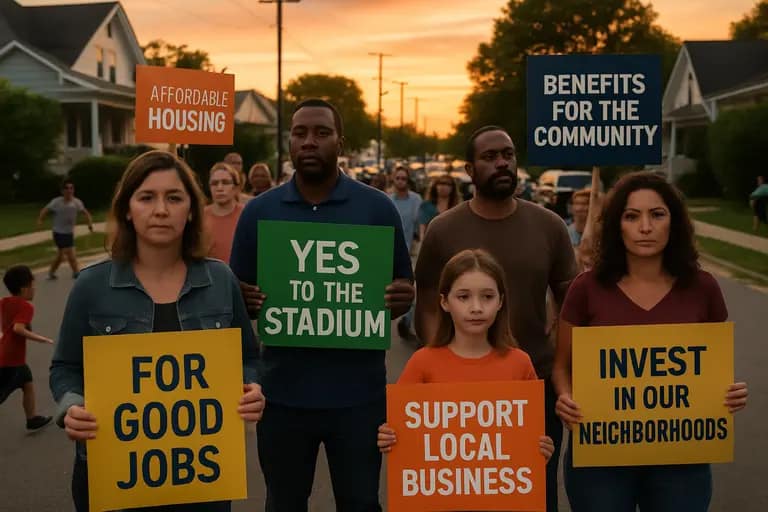
The community-benefits record tied to the project includes affordable and attainable housing, anti-displacement programs, local hiring, Minority and Women-Owned Business Enterprise participation, transportation, youth sports, literacy, public safety, veterans’ engagement, and public reporting. Those priorities are appropriate for a public-private sports project. The harder question is whether they carry enough specificity to survive budget pressure and leadership changes.
Housing, Hiring, And Youth Sport
The benefit agreement described in the research allocates 65% of quantified benefits to Hillsborough County and 35% to the City of Tampa. That split reflects the county’s larger public contribution, but residents will need clear reporting on what counts as a quantified benefit. Housing units, hiring targets, youth sports investments, and literacy programs should be reported separately rather than blended into a single civic-impact number.
Youth sports commitments deserve special attention. A Major League club has influence beyond the major-league roster. If the development supports fields, clinics, safe transportation, and school partnerships, it can widen access to baseball in communities that often face cost barriers. That is where a stadium district can be more than a premium entertainment site. It can help build the next generation of players, coaches, groundskeepers, trainers, and sports-business professionals.
Drew Park Concerns Are Part Of The Scorecard
Neighborhood groups in Drew Park have raised concerns about displacement, affordable housing, parking, and design fit with existing blocks. Those concerns are not anti-baseball by default. They are part of the civic scoreboard for a project built with public help. If a stadium district raises nearby land values but pushes out long-time residents or small businesses, the project’s community claim weakens.
The site includes land now occupied by Hillsborough Community College’s Dale Mabry campus, according to the research record. Repurposing public land for a sports-led district raises education, access, and public-value questions. Construction planning, engineering, and design coordination will shape whether the district functions well; for related coverage of design and technical planning fields, explore more industries at CAD/CAM Network. For Tampa residents, though, the first test is local: whether the new district connects to surrounding neighborhoods without overwhelming them.
Rays Stadium Deal Accountability Tests
The Rays Stadium Deal should now be judged through public metrics, not promotional language. The approvals have happened. The targeted stadium opening is March 2029, so the period between September 7, 2026, and that date is the accountability window. The public should not have to wait until first pitch to know whether the project is meeting its obligations.
What Officials And Fans Can Measure
A practical scorecard should separate baseball outcomes from district outcomes and public-finance outcomes. Those categories overlap, but they are not identical. A strong ballpark experience does not automatically prove a strong housing result. A busy district does not automatically prove broad public return.
- Public cost control: report whether county and city contributions remain within the stated cap.
- Private risk: disclose how cost overruns, if any, are absorbed by the Rays under the agreement.
- Community benefits: publish housing, hiring, MWBE, youth sports, literacy, veterans’ engagement, and public-safety results in separate categories.
- Fan access: track transportation, parking, ticket affordability, and game-day movement around Drew Park.
- Local business impact: measure whether nearby independent businesses gain activity or face displacement pressure.
The most defensible position is neither automatic praise nor automatic rejection. Tampa approved a very large sports infrastructure deal with meaningful private participation, a public cap, and a long non-relocation term. It also accepted real execution risk around affordability, infrastructure, and neighborhood change. The Rays Stadium Deal will earn public trust only if its benefits are measured openly and if residents can see that baseball stability did not come at the expense of community stability.