
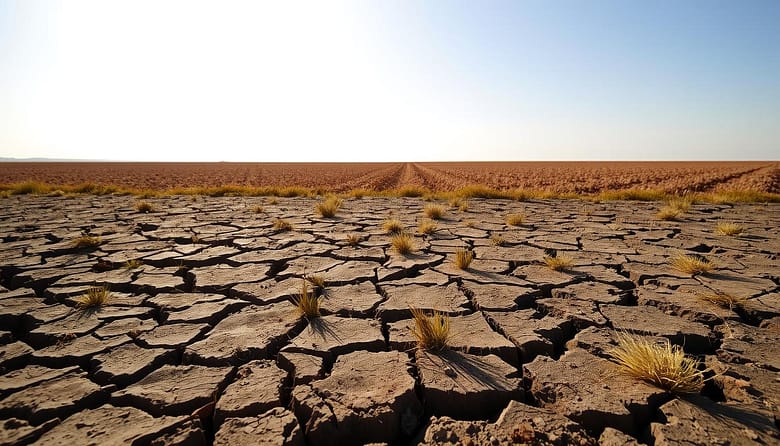
In the United States, a vital resource is facing more pressure than ever. Drought, higher costs, and stricter rules are making water a key asset. For big venues, this is more than just an environmental problem—it’s a major challenge for operations and finances.
Stadiums, arenas, and sports complexes are more than game spots. They are community symbols with a big chance to show leadership in using resources wisely.
It’s not just a choice anymore to use water smartly for fields and buildings. It’s a must for operational resilience, keeping costs down, and caring for the environment. Every drop saved helps us face climate challenges better. The goal is clear: save water smartly, use it again, and protect it for people and the planet. Every drop matters a lot in this effort.
Water Risk in Sports Venues
Sports venues face a growing water crisis. Water is key for sports, and a detailed water risk profile is needed. It covers physical, regulatory, and financial threats that can affect games, increase costs, and harm reputations.
Physical risk is clear. Drought can make playing surfaces unusable. A dry field is not just bad-looking; it’s dangerous for players. Venues must choose between expensive water or let the field die.
Regulatory risk is also big. Local governments may ban water use during droughts. This is a big problem for sports venues, as they can’t operate without water.
Financial risks are severe. Water costs can jump in dry areas. Upgrades to handle water emergencies are expensive and often rushed.
Understanding these risks is key to investing in water management. It changes the focus from saving money to managing risk. This shift helps venues become water stewards.
Real-world pressures are growing. Major League Baseball teams in the Southwest have faced criticism over water use. In California, strict rules have forced venues to change their water use or face penalties.
Starting to be resilient means recognizing these risks. It makes the case for investing in irrigation tech and soil management. These technologies save water and help manage fields well, even with strict rules and budgets.
Smart Irrigation and Turf Choices
The biggest water use for many stadiums isn’t inside. It’s on the field. Keeping the turf lush and playable uses millions of gallons each year. Modern stadiums are fighting this with smart watering and tough landscaping.
Smart irrigation technology is the first line of defense. Old sprinkler timers are gone. Today, systems use real-time data to water only when and where it’s needed.
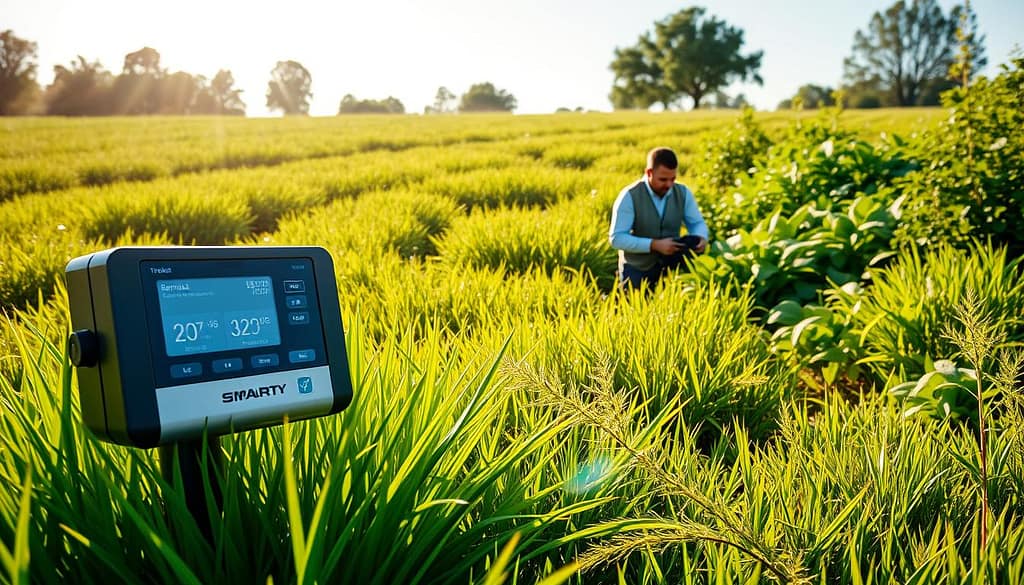
Evapotranspiration (ET) controllers are the smart ones. They connect to local weather stations. They figure out how much water plants lose each day and adjust the sprinklers.
Soil moisture sensors help too. They check if the ground is already wet. This stops overwatering after rain.
Switching to drought-tolerant turf is also key. These grasses need much less water to stay green and strong.
- Bermuda grass hybrids thrive in warm climates with minimal irrigation.
- Tall fescue blends offer deep roots for better drought survival.
- New synthetic-organic hybrid turfs provide playability with drastically reduced water needs.
Healthy soil is essential. Adding compost and aerating it makes it like a sponge. It holds moisture longer, needing less water.
Using alternative water sources is another smart move. It cuts down on the need for clean water. This idea of reusing wastewater and runoff is key.
Stormwater capture systems collect rainwater from roofs and lots. This water is stored for irrigation. Some water-wise sports venues are looking into treating graywater for irrigation.
They’re exploring using graywater or captured stormwater. This turns waste into a valuable resource.
| Technology | Key Function | Estimated Water Savings |
|---|---|---|
| ET-Based Controller | Adjusts schedule based on weather data | 20-40% |
| Soil Moisture Sensor | Prevents watering when soil is wet | 15-35% |
| Drought-Tolerant Turf | Reduces baseline water requirement | 25-50% |
| Stormwater Capture | Replaces potable water for irrigation | Varies by rainfall |
Real-world examples show it works. The University of California’s fields use 50% less water for landscaping. A Major League Baseball stadium in a dry area uses 40% less water with drought-resistant grass.
These solutions save money and keep fields in great shape. Investing in smart irrigation and tough turf is good for both the wallet and the planet.
Locker/Restroom Retrofits
Building interiors can save a lot of water, not just irrigation systems. Locker rooms, restrooms, and concession areas use a lot of water. By retrofitting these spaces, you can save 30% to 50% of indoor water use.
This can help protect against water shortages and rising water costs.
The first step is to replace old fixtures with new, water-saving ones. Look for products with the EPA’s WaterSense label. Here are some key upgrades:
- Ultra-High-Efficiency Toilets: These use 1.28 gallons per flush or less, a big improvement over older models.
- Waterless Urinals: They save up to 40,000 gallons per year by not needing water to flush.
- Low-Flow Faucets and Showerheads: These use 1.5 gallons per minute or less without losing quality.
Technology is important, but so is regular maintenance and good policies. Regularly check for leaks in toilets and faucets. A silent leak can waste over 200 gallons a day.
Simple steps like posting water-saving signs and training staff to report leaks help too.
In areas with severe drought conditions, you can do even more. Installing graywater or rainwater systems can save a lot of water. Graywater from showers and laundry can be treated for flushing toilets. Rainwater from roofs can water fields.
These systems need careful planning. You must follow local health codes, install separate lines, and budget for filters. They provide a reliable water source during droughts.
Consider the cost and benefits of different retrofit levels. The table below shows typical costs and savings.
| Retrofit Tier | Scope of Work | Estimated Cost (per fixture) | Annual Water Savings (per fixture) | Simple Payback Period |
|---|---|---|---|---|
| Basic | Replace faucet aerators & showerheads; install toilet tank displacement bags. | $50 – $150 | 5,000 – 10,000 gallons | 6 – 18 months |
| Advanced | Install WaterSense toilets & faucets; replace select urinals with waterless models. | $300 – $800 | 20,000 – 40,000 gallons | 2 – 4 years |
| Comprehensive | Full fixture replacement; add smart metering; pre-plumb for future graywater system. | $1,000 – $2,500+ | 50,000+ gallons | 4 – 8 years |
The Basic tier offers quick savings with little disruption. The Advanced tier saves more and is good for most projects. The Comprehensive tier is a big investment for lasting drought protection.
Every drop saved indoors helps the community. Retrofitting buildings is a direct way to fight water scarcity. It shows your venue’s commitment to the environment.
Fan Education Challenges
High-tech irrigation systems work hard behind the scenes. But changing thousands of fans’ habits is a big challenge. It’s all about understanding how people behave.
Fans are often too caught up in the game to think about saving water. Traditional signs in restrooms don’t work well. They get lost in the noise.

To get through, messages need to be dynamic and relevant. They should fit into the fan’s experience. Imagine seeing a video about irrigation tech on the big screens during breaks.
Game-day entertainment is key. Announcers can share water-saving stats. Concession stands can offer water-efficient options. This way, sustainability becomes part of the event, not a separate lecture.
Interactive exhibits in concourses make a big impact. A touchscreen kiosk can show real-time water savings. This makes the invisible, visible.
The Power of the “Nudge”
Behavioral science offers tools called “nudges.” These are small changes that encourage better choices without limiting them.
- Towel Reuse Programs: Simple bins with signs in locker rooms encourage reuse.
- Default Settings: Installing low-flow fixtures as the standard makes saving water easy.
- Prompted Choice: Digital signs at fountains ask if you need a full bottle, reducing waste.
These strategies work because they make saving water convenient. They align individual needs with the greater good.
Connecting fan actions to the bigger picture is key. Fans need to see how their choices help. Every drop saved is a step towards a better future for all.
| Ineffective Tactic | Effective Tactic | Behavioral Principle Applied |
|---|---|---|
| Small, text-heavy sign above a sink | Animated, graphic-driven message on the jumbotron during a timeout | Captures attention during a natural pause; uses visual storytelling |
| Generic “Save Water” slogan | “Our field uses 40% less water thanks to smart irrigation. Help us save more.” | Provides specific, credible data and creates a shared team goal |
| No feedback on impact | Interactive kiosk showing cumulative fan water savings for the season | Offers immediate feedback and fosters a sense of collective achievement |
| Leaving high-flow fixtures as the default | Installing aerators and touchless taps as the standard issue | Makes the sustainable choice the easiest choice (nudging) |
Crafting a story that connects all actions is vital. It turns individual efforts into a powerful story of community leadership. Every drop matters for a sustainable future. The real victory is in being a responsible venue for generations to come.
Grants and Payback Periods
Finding funding and figuring out returns are key to making water saving real. For sports venues, the money talk often decides what gets done. This part explains how to get money and show that saving water is worth it.
There are many ways to get help with costs. The Environmental Protection Agency (EPA) gives out WaterSense grants. State water boards and Departments of Energy also have funds for saving water.
Local utility rebates are easy to get. They give direct help for installing WaterSense fixtures or smart irrigation systems. Green bonds are another way for big groups to get money for green projects.
For big projects like graywater recycling, mixing these funds is smart. A state grant might help with design, while a utility rebate covers the filters. This way, the project costs less.
Two simple formulas are used for financial checks. The Simple Payback Period is: Total Project Cost ÷ Annual Savings. The Return on Investment (ROI) is: (Annual Savings ÷ Total Project Cost) x 100.
Let’s say a low-flow fixture retrofit costs $5,000. If it saves $1,250 a year, it pays off in four years. The ROI is 25%. This is easy for managers to understand.
Bigger projects take longer to pay off but save more money. A graywater system for irrigation and toilet flushing might cost $150,000. It could save $30,000 a year on water and sewer. The payback is five years.
Avoided drought surcharges can make this time shorter. In dry areas, these fees can double water bills. Saving water is like a financial shield against these costs.
The table below shows how different projects have different financial results.
| Project Type | Estimated Cost | Annual Water/Sewer Savings | Simple Payback Period |
|---|---|---|---|
| Low-Flow Restroom Retrofits | $5,000 – $15,000 | $1,200 – $3,500 | 3 – 5 Years |
| Smart Irrigation System Upgrade | $20,000 – $50,000 | $5,000 – $12,000 | 4 – 5 Years |
| Graywater Recycling System | $100,000 – $200,000 | $25,000 – $50,000 | 4 – 6 Years |
| Drought-Tolerant Turf Conversion | $30,000 – $80,000 | $8,000 – $20,000 | 3.5 – 5 Years |
Seeing water saving as an investment is key. Data from water-smart farming shows incomes up 27% and costs down 27%. This is what sports venues aim for.
Projects with a five-year payback save money for decades. They double the value of the initial investment over time.
With a good proposal, grants, clear payback, and ROI, saving water becomes profitable. This wins over administrators and stakeholders, making projects happen.
Metrics to Track and Share
Managing water wisely starts with precise measurement. A clear framework turns conservation efforts into proven results. Track absolute water consumption in gallons. Monitor water use intensity per attendee or event. Calculate the percentage sourced from non-potable alternatives like recycled rainwater.
Financial metrics prove the investment’s value. Document total cost savings from reduced utility bills. Report any grant dollars secured for retrofits. These numbers show a direct return.
Qualitative outcomes matter too. Note improvements in field quality ratings from groundskeepers. Track positive media coverage or fan sentiment. This builds a complete story of success.
Real-world data drives action. Manchester City Football Club uses a system for real-time visibility into water movement. This allows them to track stadium use and share metrics with fans. Their goal to halve potable water use is powered by this data.
Share these metrics transparently. Include them in annual sustainability reports. Post updates on venue websites and social media. This transparency builds public trust. It demonstrates accountability in the face of drought. It turns a single venue’s plan into a model for the entire sports industry.
Data-driven management creates resilience. It shows what works, inspires others, and secures a sustainable future for every field and facility.