
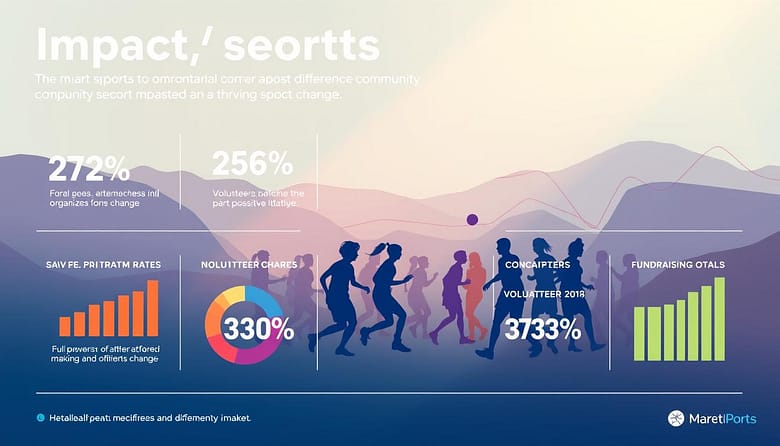
Let’s get real for a second. In today’s world, impact measurement is more than just a trend. It’s what makes real change happen, not just empty gestures.
I’ve seen companies tout their community work like it’s a big win, without actually measuring it. The truth is, you can’t just rely on good vibes to show you’re making a difference.
As more businesses find their purpose, they’re learning to measure real results. They’re moving past just showing off. Measuring outcomes is now key. It’s about showing real value, not just posting pictures of cats.
This isn’t just about feeling good. It’s about making a real difference that leaders can see. The ones who get it right are leading the charge, not just sitting on the sidelines.
Tools & Metrics Used
Welcome to the world of impact measurement, where we focus on real change, not just words. The SIM framework is not just theory; it’s a real guide for organizations. It helps them see how their actions lead to results. It’s like Moneyball for doing good, focusing on what really counts.
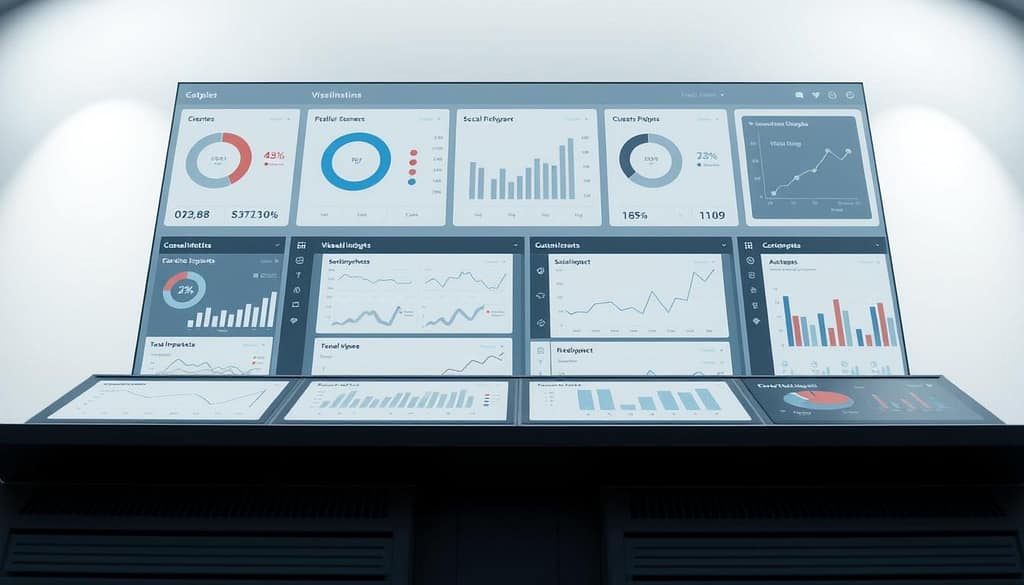
SROI goes further by giving dollar values to social changes. It might seem harsh, but it opens doors to funding. The OECD guide shows we’re moving beyond just counting volunteers or money raised.
We’re now using advanced monitoring systems. These track everything from carbon footprints to how well communities work together. It’s not your old-school charity anymore. We’re using tools like Strava heat maps and economic multipliers.
Let’s face it: if you’re not monitoring the right things, you’re just moving chairs on a sinking ship of social change.
How we measure impact changes based on the event and its goals. We need good indicators to measure it right. Without monitoring, even the best plans are just guesses.
Here’s what makes modern impact measurement different from old charity tracking:
- Real-time data instead of yearly reports
- Metrics that go beyond just money
- Feedback from stakeholders in decision-making
- Improvement based on real results
The SIM framework shows how a company’s actions lead to positive change. SROI looks at the value that can’t be seen. Together, they give a full picture of your impact.
Good monitoring needs the right tools and mindset. It’s about asking better questions and not just collecting data. What are we changing? Who benefits? How do we know?
These frameworks answer the big questions. They turn good intentions into real results. They make sure our efforts actually make a difference.
Successful Monitoring Programs
Let’s look at groups that really make a difference. They’re not just pretending to care about their impact. These stories are real examples of sports sustainability that even the toughest critics can’t help but admire.
Everton in the Community has been tracking their social return on investment for decades. They’ve shown that for every £1 they spend, they get £29.86 back. It’s like a high-stakes investment, but for good causes.
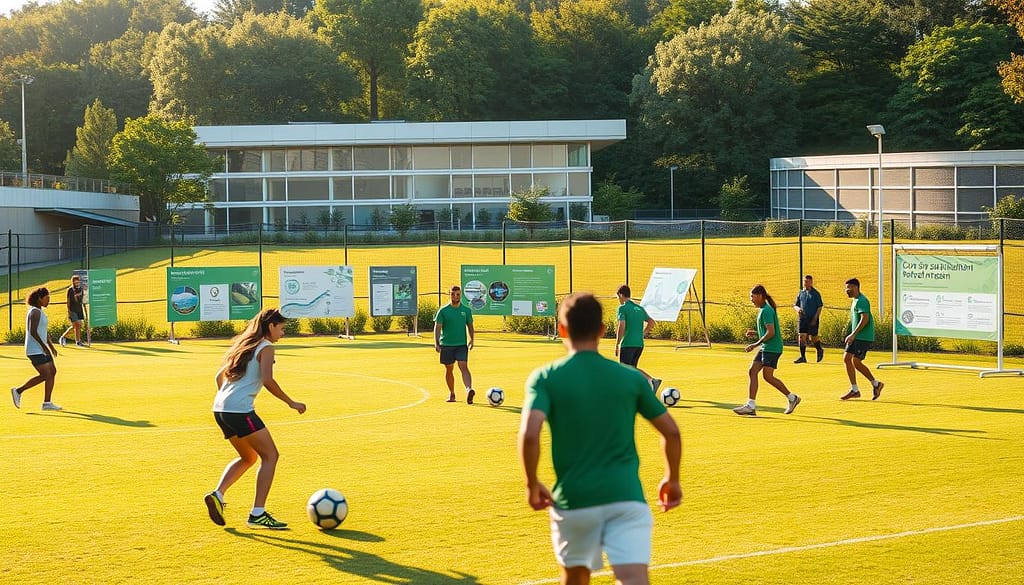
In Chicago, Peace Runners 773 shows how impact measurement can change lives. They’re not just about running; they’re about making lasting changes in the community.
So, what makes these programs stand out?
- They look at more than just obvious results (like jobs created)
- They work with experts to make sure their data is solid
- They follow trends over many years
- They know that real change needs proof, not just good intentions
Peace Runners 773’s work really catches my eye. They’re showing how running can improve neighborhoods. It’s like they’re using sports to fix the city, and it’s working.
These groups show that sports sustainability is about lasting change. They’re not just giving out help; they’re teaching communities to be self-sufficient. And they have the data to prove it.
Lessons Learned from Data
So, what did we learn from all that number-crunching? Impact measurement is more like a storybook than a test. It leads to better outcomes.
The OECD framework shows a key point: successful programs work with communities, not over them. It’s like having a real conversation, not just talking at someone.
- Baselines are everything. You can’t measure change without knowing where you started. It’s like trying to show growth without childhood photos.
- Numbers tell you what happened, stories tell you why it mattered. Data shows trends, but stories share the human side.
- Disaggregating data exposes the truth. Breaking down results by demographics shows if your impact is fair or just for some.
Transparency is key, not optional. Third-party checks help tell real impact from fake, like fact-checkers do with news.
Using many methods and indicators is best for impact measurement. Working together at all levels gives a clear picture of your impact.
Organizations that measure impact well see real benefits. They get more funding, engage communities better, and run more sustainable programs. The data proves it – what you measure, you manage.
The biggest lesson? Impact measurement isn’t about proving you’re good. It’s about making your work better. The numbers start a fascinating conversation.
Taking Action on Results
So you’ve collected all this beautiful data – now what? Real impact isn’t measured in spreadsheets but in changed lives and healthier communities. The magic happens when monitoring becomes your compass for decision-making.
Transparency separates performative activism from real change. Third-party verification of your findings builds credibility that opens doors to better funding and stronger partnerships. Be honest about failures – they make your successes more authentic.
Think like a sports coach reviewing game footage. That impact measurement process should directly inform your next playbook. Which programs deserve more resources? Which need to be benched?
This isn’t about creating reports that gather dust. It’s about creating feedback loops where results shape strategy in real time. The goal isn’t the perfect impact report – it’s the maximum impact. Time to stop tracking the game and start changing it.