
The Fox NFL deal is one of the clearest examples of how media rights now shape professional sports strategy beyond the broadcast booth. FOX Corporation’s current NFC package began in 2023, runs through the 2033 season, and averages about US$2.25 billion per year, according to the Sports Media Rights Index. That package covers Sunday afternoon NFC games, the NFC Championship, and Super Bowl windows tied to the agreement, including the 2025 game window that has already passed and the 2029 window scheduled under the contract.
For league offices, club owners, players, sponsors, and fans, the rights structure is not just a media story. It affects revenue sharing, salary-cap conditions, franchise planning, scheduling priorities, platform access, and the bargaining posture of every major professional league that sells premium live inventory. Football sits at the center because the NFL has combined national reach, high average audiences, and scarcity: a limited number of regular-season games carrying outsized value for networks and streaming platforms.
The current NFL portfolio with CBS, NBC, FOX, ESPN/ABC, and Amazon runs through the 2033 season, with ESPN/ABC extending through 2034. Research notes show the broader portfolio is worth nearly US$110 billion over 11 years, more than double the value of the previous contracts that expired after the 2022 season. That scale explains why other leagues study football’s rights cycle closely, even when their calendars, inventory, and fan behavior differ.
Why The Fox NFL Deal Sets The Market
Fox NFL Deal Rights And Game Inventory
The Fox NFL deal carries value because the game inventory is both familiar and scarce. Sunday afternoon NFC games give FOX a weekly anchor around which it can sell advertising, promote other programming, and maintain a strong sports identity. The NFC Championship adds postseason weight, while Super Bowl windows give the network access to the most valuable single-game media stage in U.S. sports.
FOX’s 11-year agreement was announced on March 18, 2021. Research notes state that the agreement included expanded digital rights, future direct-to-consumer flexibility, exclusive holiday games, and four Super Bowl windows across the broader rights cycle. In practical terms, that mix gave FOX both near-term linear television strength and room to adjust as audience habits changed.
Why Scarcity Raises Rights Fees
The NFL sells a small number of high-demand games compared with leagues that play far longer regular seasons. That limited supply strengthens national packages. It also gives broadcasters a reliable weekly event structure, which remains valuable even as entertainment audiences fragment across many services.
The 2025 NFL season averaged 18.7 million viewers per game, according to the research notes, making it the second-best season since 1989. FOX averaged 19.6 million viewers per game in that season, up more than 6% year over year. Those figures help explain why rights fees can rise even while many other television categories face pressure. Live football still gathers large audiences at specific times, and that is rare inventory for media companies.
Revenue Sharing And Competitive Balance
National Money Reaches Every Club
Media rights shape the financial base of the league because national revenue is shared. Research notes state that NFL shared revenues from media fees, national sponsorships, and related sources reached US$14.5 billion in 2025, up about 4.6% from 2024. All 32 teams generated more than US$450 million each in gross revenue.
That shared structure matters for competitive balance. A club in a smaller local market still participates in the national broadcast economy. The league’s ability to sell national windows at high prices supports payroll planning, facility investment, football operations budgets, and franchise valuations. It does not guarantee smart roster decisions, but it gives every team a substantial baseline before local revenue is counted.
Salary Cap Effects And Player Stakes
Players have a direct stake in rights growth because league revenue feeds the economic system that supports compensation. The research notes also state that media rights accounted for about 63% of NFL revenue in 2026. If that share remains high, future bargaining between ownership and players will keep focusing on how broadcast and streaming growth is measured, shared, and audited.
This is where sports leadership has a social-impact duty as well as a business one. Athletes create the product that networks buy. If media revenue grows, player health protections, post-career support, development investment, and fair labor structures should remain part of the discussion. The financial success of football rights does not remove those obligations; it makes them harder to ignore.
Streaming Pressure And Fan Access
Subscription Packages Change The Fan Experience
Streaming has become a larger part of NFL distribution. Research notes state that platforms such as Amazon Prime Video, YouTube, and Netflix represented roughly 25% of the NFL’s broadcast revenue as of 2025. That shift does not mean linear television is fading from football’s core. FOX, CBS, NBC, and ABC/ESPN still hold major packages. It does mean fans increasingly need to understand which games sit on broadcast television, cable, or subscription platforms.
The Fox NFL deal is useful in that discussion because it shows how a traditional broadcaster can protect premium Sunday inventory while gaining expanded digital rights. For fans, the key issue is not technology for its own sake. It is access: whether the games that define division races, playoff seeding, and championship paths remain easy to find and affordable to follow.
Other Leagues Are Reading The Same Signals
Basketball, hockey, baseball, soccer, and women’s sports properties are all watching how football balances reach and revenue. A wider rights market can benefit athletes and leagues, but only if distribution choices build audiences rather than scatter them. The WNBA’s rights trajectory offers a related case, and our analysis of how the WNBA rights deal affects broadcast inventory and athlete revenue questions shows why women’s sports are part of the same media conversation.
Rights strategy also reaches beyond football. Regional hockey audiences, for instance, face their own media questions around access, local identity, and digital coverage; readers following that side of the business can find related coverage at Dasher Hockey, offering a closer look at related themes in the hockey sphere. The common thread is that media deals now shape how fans form habits around teams and players.
Regulatory Scrutiny Around NFL Media Rights
The 2026 Antitrust Probe
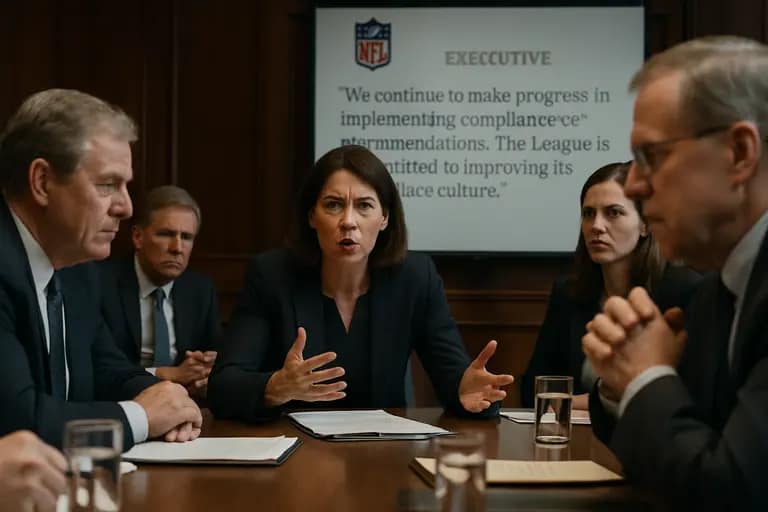
On April 9, 2026, the U.S. Department of Justice opened an antitrust probe into whether the NFL’s media rights structure, especially subscription-based packages, was reducing competition or affordability for consumers, as reported by The Washington Post. The existence of the probe does not establish wrongdoing. It does show that rights structures have become important enough to draw federal scrutiny.
For leagues, that scrutiny should be treated as a governance signal. The strongest media model is not just the one that earns the highest fee. It also has to withstand questions about consumer access, market concentration, and the public value of games that carry national attention. Professional sports enjoy a rare cultural position, and rights decisions can either protect or weaken the bond between teams and supporters.
Opt-Out Windows And Negotiating Power
Research notes state that the NFL is planning around possible opt-outs in 2029 for CBS, FOX, NBC, and Amazon, and in 2030 for ABC/ESPN. Those dates matter because they fall well before the scheduled end of the current rights era. If exercised or used as pressure points, they could reset package values, streaming terms, and international distribution plans.
The league’s negotiating strength comes from performance data, predictable appointment viewing, and the ability to divide packages among multiple partners. Yet that strength also raises the stakes. If too many games move behind separate paywalls, short-term rights growth could create fan frustration. If premium games remain broadly available, the league may protect long-term audience depth while still earning major rights fees.
Fox NFL Deal And Sports Leadership
The Fox NFL deal shows why media rights are now a leadership issue across professional sports. It ties together weekly game presentation, postseason visibility, shared revenue, player economics, streaming access, and regulatory review. That is a larger set of responsibilities than a standard broadcast contract once carried.
For industry leaders, the lesson is clear enough to act on without overclaiming. Rights fees can fund growth, but they should be evaluated alongside fan access, athlete welfare, competitive balance, and long-term audience health. The NFL’s current structure gives football enormous financial security through the 2033 season, with ESPN/ABC extending into 2034. The next test is whether that security can support a media model that remains strong for networks, fair to players, and workable for fans who simply want to follow the games that define the sport.