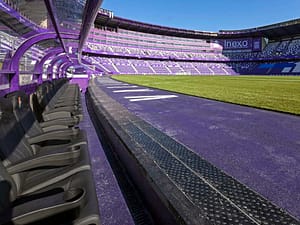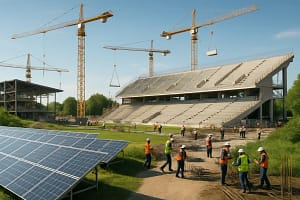
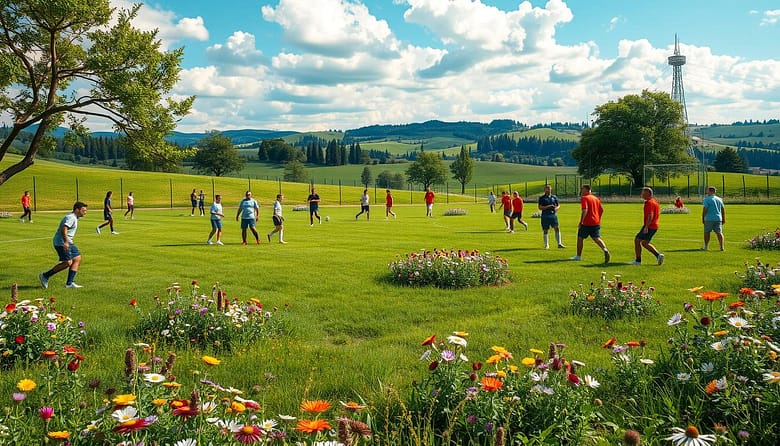
In today’s world, the link between our play areas and nature is more important than ever. Sports grounds, seen as just places to play, can become real ecosystems. Paul Hawken’s vision in “Regeneration: Ending the Climate Crisis in One Generation” shows us a new way to see nature. He says we are part of nature, and our actions can greatly affect biodiversity.
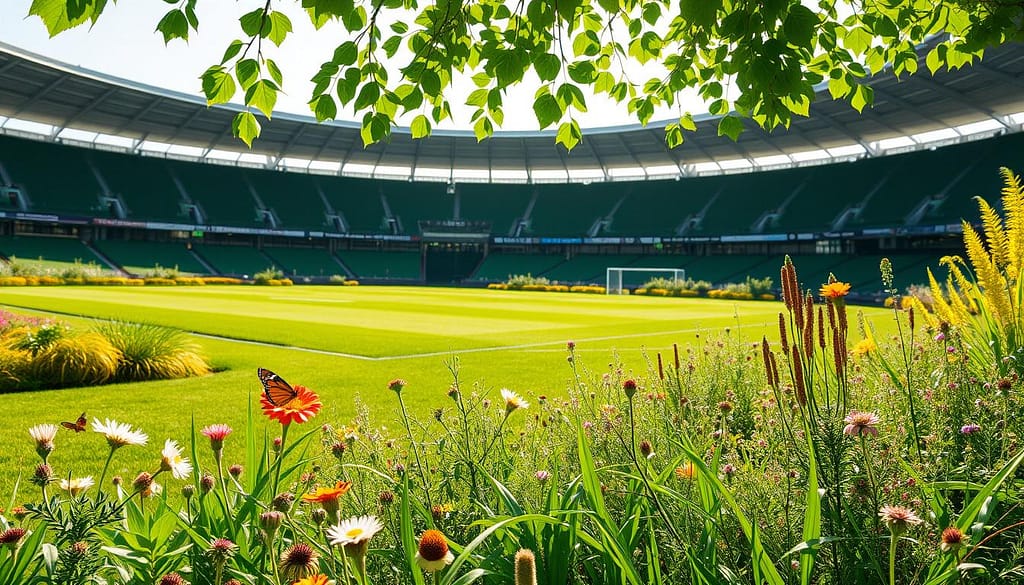
At first, playing fields seem like empty spaces—uniformly green and well-kept. But, they can be key habitats for city wildlife. Surprisingly, even the most controlled grasslands can support many species. Early mornings are quiet, giving birds a safe spot to rest and watch.
This article encourages you to see the change sports facilities can make. What if they could also be homes for wildlife? By using nature’s rules in designing sports grounds, we can blend play and nature. For more on sports and the environment, check out this resource.
Why Biodiversity Matters in Sports
Biodiversity is key to the health of our ecosystems, including sports grounds. These areas act as urban wildlife sanctuaries. They offer a safe space for birds to rest and hunt, away from predators.
Birds like Herring Gulls and Common Gulls often hang out on these fields. They feed on earthworms and other small creatures. Starlings and Jackdaws also hunt for food here, and sometimes, Lapwings visit during winter.
Fields may not have many plants, but they have flowers like Daisies and Buttercups. These flowers are a food source for birds like Woodpigeons and Goldfinches. Kestrels even hunt in fields with long grass, where voles live, showing the complex food web.
Cricket pitches used to be biodiversity hotspots, thanks to scythed meadows and grazing animals. But, modern maintenance has changed this. Now, fields are cut short, harming the variety of life they once supported.
Knowing how important sports grounds are for biodiversity helps us see how we can improve them. By using better maintenance, we can make these areas great for urban wildlife again. It’s time to take action and protect biodiversity in our communities.
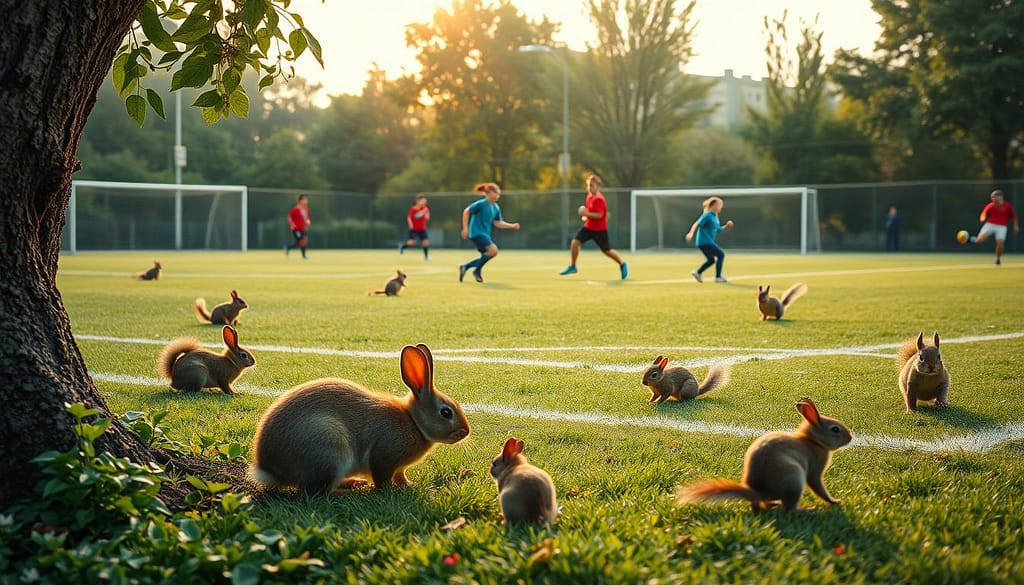
Stadiums and Clubs Leading Green Landscaping
Sports facilities worldwide are embracing green stadium landscaping. This move beautifies venues and supports local wildlife. Germany’s Grüne Liga, for example, launched The Jungle on Sports Facilities to teach sports groups about biodiversity. They use seminars and materials to turn grounds into biotopes.
In Ireland, the All-Ireland Pollinator Plan guides sports clubs to help bees and other insects. This plan aims to create safe spaces for pollinators across Ireland. Clubs adopting these practices support pollinators and a healthier ecosystem.
In the UK, many sports clubs are ditching pesticides and mowing less. This lets nature grow without human interference. Golf courses, once seen as harmful, are now biodiversity hotspots. They achieve this through:
- Native plant restoration
- Wetland creation and protection
- Establishment of wildlife corridors
- Integrated Pest Management techniques
- Pollinator-friendly landscaping
Matching Green in Essex is a prime example. Its cricket field has long grass and unimproved areas. This supports wildlife like grasshoppers and butterflies. It’s even a Local Wildlife Site, showing sports grounds can serve both fun and conservation.
These examples show sports groups leading in biodiversity-friendly landscaping. They prove stadiums and clubs can make a big difference for the environment. For more on sports and biodiversity, read this article.
Athlete Stories: Playing with Nature
Athletes are now linking their love for sports with nature conservation. Kiki Grammatopoulos, a Central Saint Martins design graduate, is a great example. She created “Rewild the Run”, a pair of trainers for urban rewilding. They are in the prototype phase.
The shoes have a bristly outsole with tiny hooks, inspired by nature. This design helps them stick to dirt and plants, spreading seeds in cities. Runners can help increase urban biodiversity with each step.
The trainers also honor keystone species like the bison. Their chunky look and unique tread represent the bison’s role in restoring ecosystems. This technology could be used in races, encouraging runners to interact with their environment.
Grammatopoulos’s trainers also highlight the importance of tall trees and bushes with berries. These attract birds like Mistle Thrushes and Starlings. Families of Gulls and Crows visit these spots in late spring to feed.
Encounters with urban wildlife make sports more meaningful. Athletes might see Kestrels or Mistle Thrushes while playing. These moments strengthen the bond between humans and nature.
The stories of athletes like Grammatopoulos show that sports and biodiversity support each other. By incorporating nature into their activities, athletes can help create a vibrant urban ecosystem.
| Trainer Name | Key Features | Impact on Urban Wildlife |
|---|---|---|
| Rewild the Run | Bristly outsole, biomimicry design | Facilitates seed dispersal |
| EcoRun | Recycled materials, lightweight | Reduces waste, promotes green spaces |
| NatureStride | Flexible sole, natural grip | Encourages exploration of green areas |
Collaboration with Conservation Groups
Sports and conservation are coming together in new ways. Big groups like the International Olympic Committee (IOC), the International Union for the Conservation of Nature (IUCN), and the United Nations Environment Programme (UNEP) see the value in working together. They’ve made plans and guides to help sports groups be kinder to nature.
The Sports for Nature Framework was launched in December 2022. It’s a big plan to use sports to protect and fix our ecosystems. It asks sports groups to help protect animals and plants, fix damaged areas, and use resources wisely.
Local sports clubs are also doing their part. They work with their local Wildlife Trusts to make their places better for nature. This way, they help in a way that really makes a difference in their area.
Groups like 17 Sport use sports to push for a greener future. They believe that by working together, we can make a big difference.
Changing the world for nature needs everyone to work together. No single group can do it alone. But if sports groups team up, they can make a huge impact. To learn more about how sports can help the environment, visit this resource.
The Ripple Effect in Local Communities
Sports grounds are key urban green spaces. Making these areas more biodiverse can greatly benefit local communities. Simple steps like managing field edges and planting hedgerows can help wildlife without disrupting sports.
By cutting down on harmful chemicals, clubs can make environments healthier for players and wildlife. Adding small ponds or scrapes can attract various aquatic life. These efforts not only boost biodiversity but also make sports experiences richer.
Education is key in this transformation. Information panels can teach visitors about the ecological gains of these changes. This can deepen the connection between people and nature.
Golf courses and sports facilities can also engage their communities. Workshops and volunteer programs can teach native planting and wildlife monitoring. This fosters a sense of responsibility among locals.
Sports grounds can become centers for both fun and learning about nature. Every game or event can be a chance to appreciate urban wildlife. This shift towards green landscaping benefits everyone.
As sports fields become biodiverse landscapes, they improve both looks and quality of life. This vision of community-driven care for the environment is a step towards a healthier world. For more on sports and the environment, check out this resource on greening the game.